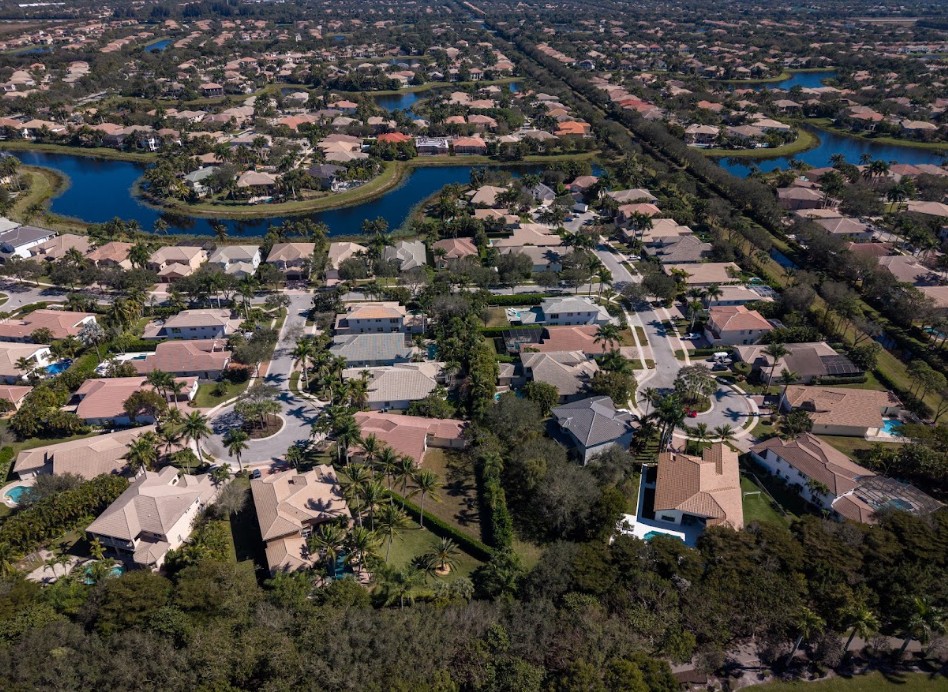
What Florida’s Roofing License Requirements Actually Mean for Homeowners in Boca Raton
When a Boca Raton homeowner starts getting quotes for a roofing project, the question of licensing often comes up in passing, a box to check rather than a detail to understand. In practice, Florida’s roofing license requirements have direct implications for the quality of the work performed, the validity of the permit, the enforceability of the warranty, and the homeowner’s legal protection if something goes wrong. Understanding what the license system actually means, not just whether a contractor has one, helps homeowners in Boca Raton make better decisions about one of the most significant projects their home will undergo.
Florida’s Two Tiers of Roofing Contractor Licenses
Florida issues two types of roofing contractor licenses, and the distinction matters.
A Florida Certified Roofing Contractor holds a state-issued license that is valid throughout Florida. This license, issued by the Florida Department of Business and Professional Regulation (DBPR), requires the contractor to pass a state examination covering roofing materials, installation methods, Florida Building Code requirements, and business practices. A Florida Certified contractor can pull permits in any jurisdiction in the state, including Boca Raton, which falls under Palm Beach County’s building authority.
A Registered Roofing Contractor holds a license that is registered with the state, but is limited to specific counties or municipalities. A registered contractor licensed in Miami-Dade County, for example, is not necessarily authorized to pull a permit in Palm Beach County without proper registration there.
For homeowners in Boca Raton, working with a Florida Certified Roofing Contractor is the more straightforward path. It confirms statewide authorization without the need to verify county-specific registration details.
What the License Number Actually Verifies
Every Florida roofing contractor license has a unique number. For certified contractors, the license number begins with CCC. This number can be looked up directly through the Florida DBPR’s online license verification system, which is publicly accessible. A license lookup shows whether the license is active, whether it is in good standing, whether there have been disciplinary actions, and when the license expires.
When verifying a contractor’s license, confirm the name on the license matches the name of the company you are contracting with. Contractors sometimes reference a license held by a qualifier, a licensed individual whose credentials are used to authorize a company’s work. The qualifier must be actively involved in the project for the license to apply legitimately. A company whose qualifier is no longer associated with it may be operating outside its licensed authority.
Why Licensing Matters in Boca Raton Specifically
Boca Raton sits within Palm Beach County’s jurisdiction, which enforces strict Florida Building Code wind requirements. The Florida Building Code imposes stricter requirements on roofing materials, installation methods, and inspection standards than apply in most of the country. Only contractors who understand the Florida Building Code requirements and work with Florida Product Approved products are equipped to perform compliant roofing work in this market.
Boca Raton also has a significant number of homes in HOA communities throughout areas like Woodfield Country Club, Broken Sound, and the gated neighborhoods along Yamato Road and St. Andrews Boulevard. Many of these communities require roofing materials to be approved by the HOA’s architectural review committee before work begins. A contractor unfamiliar with this process can create delays and complications for homeowners who need to coordinate both HOA approval and building permits before a project can proceed.
The City of Boca Raton Building Services Division administers permits for roofing projects within the city limits, while unincorporated areas of Palm Beach County nearby fall under the county’s jurisdiction. Either way, a permit is required for significant roofing work, and only a properly licensed contractor can pull that permit.
The Insurance Connection
Florida’s roofing license requirements intersect with the insurance market in ways that affect homeowners directly. Insurance carriers writing policies in Florida investigate the permit and license status of roofing work when significant claims are filed. If a roof was installed without a permit, by an unlicensed contractor, or using materials that do not carry the required Florida Product Approvals, a carrier may deny or substantially reduce a claim on the basis that the installation was not performed to code.
This is not a theoretical concern in Boca Raton, where homes in established communities represent significant values and where storm damage claims are a regular occurrence during active hurricane seasons. The documentation trail, contractor license, permit, inspection record, and product approvals are the foundation of a defensible insurance claim when damage occurs.
Additionally, many carriers in Florida are reviewing roof age and condition aggressively when underwriting or renewing policies. A replacement roof installed by a licensed contractor under permit produces the documentation that supports the wind mitigation inspection, which in turn affects the wind mitigation credits applied to the annual premium. Homeowners who invest in a properly permitted and licensed roof installation often see measurable insurance savings that offset a portion of the project cost over time.
What to Ask Before Signing a Contract
Before committing to a roofing contractor in Boca Raton, homeowners should take a few specific steps. Request the contractor’s license number and look it up through the Florida DBPR system to confirm it is active and in good standing. Ask for proof of general liability insurance and workers’ compensation coverage. A licensed contractor operating without current insurance leaves the homeowner exposed if a worker is injured on the property or if damage occurs during the project.
Confirm that the contractor will pull the permit and manage the inspection process, not ask you to do so as an owner-builder. Contractors who ask homeowners to pull their own permits are transferring legal liability to the homeowner and are likely not properly licensed to perform the work themselves. Ask whether the contractor has experience with the specific roofing system your home has and with Florida Building Code requirements. Experience matters as much as the license itself in a market where installation standards are more demanding than the national average.
Frequently Asked Questions
How do I verify a roofing contractor’s license in Florida?
Go to the Florida Department of Business and Professional Regulation website and use the online license search tool. Enter the contractor’s name or license number to see whether the license is active, when it expires, and whether any disciplinary actions are on record. Confirm the name on the license matches the company you are dealing with.
What is the difference between a licensed and an unlicensed roofing contractor?
A licensed contractor has passed a state examination, carries required insurance, and is authorized to pull permits for their work. An unlicensed contractor has not met these standards, cannot legally pull permits, and leaves the homeowner with no recourse through Florida’s contractor licensing board if the work is defective. Hiring an unlicensed contractor also creates insurance complications if damage occurs after unpermitted or non-compliant work.
Can an unlicensed contractor do minor roof repairs in Florida?
Minor repairs below the permit threshold can technically be performed by handymen or unlicensed workers in Florida. However, for any project that will go through insurance, licensed contractor documentation is important. If the repair involves roofing-specific work such as flashing replacement or tile work, having a licensed contractor perform the work provides legal protection and ensures the repair meets code requirements.
What does a Florida Certified Roofing Contractor mean?
It means the contractor holds a state-issued license that authorizes them to perform roofing work throughout Florida and to pull permits in any jurisdiction in the state. The CCC prefix on the license number indicates this certification. It is the highest tier of roofing contractor licensure in Florida and the appropriate credential for significant roofing work in demanding markets like Boca Raton.
What happens if unpermitted roofing work is discovered when I sell my home?
Unpermitted work appears in title searches and creates complications in real estate transactions. Lenders typically require open or missing permits to be resolved before closing. Resolving an unpermitted roof after the fact can require portions of the work to be exposed for inspection, adding cost and delay. It is significantly easier and less expensive to ensure work is permitted correctly at the time it is performed.
Protecting Your Investment in Boca Raton
A roofing project in Boca Raton is a substantial investment, often one of the largest single-project expenditures a homeowner makes on their property. The license verification steps described here take less than an hour and provide meaningful protection against outcomes that can cost far more in remediation, legal fees, or insurance complications.
SK Quality Roofing has been serving South Florida homeowners since 1982, with more than 14,000 residential projects completed across Broward and Palm Beach County. Florida Certified Roofing Contractor license #CCC1336888. For roofing projects in Boca Raton, contact SK Quality Roofing at 561-276-8040 or visit our https://www.skqualityroofing.com/contact-us/.
Written by
Dante Weston
Owner at SK Quality Roofing, Dante Weston brings extensive experience in residential and commercial roofing. He is passionate about helping homeowners and businesses protect their properties with quality roofing solutions and practical maintenance advice. Dante provides useful tips, guidance, and insights to help readers make informed decisions about roofing projects and upkeep.

Recent Posts
What to Expect During a Full Roof Replacement in Greenacres
October 20, 2026
Roof Replacement: A Step-by-Step Overview in West Palm Beach
October 19, 2026