A Homeowner’s Guide to Roof Leak Repair in Boynton Beach
A roof leak in Boynton Beach is rarely a simple problem with a simple answer. The climate here, positioned between the Atlantic coast to the east and the Everglades basin to the west, creates roofing conditions that challenge even well-maintained homes. Intense afternoon thunderstorms during summer months, sustained wind events during hurricane season, and the year-round combination of heat, humidity, and UV exposure mean that roofing systems here degrade faster and leak differently than they do in most of the country. For homeowners dealing with a roof leak, understanding what typically causes leaks in this environment, how to evaluate the situation, and what to expect from a professional repair puts you in a much stronger position.
What Makes Boynton Beach Roofs Vulnerable to Leaks
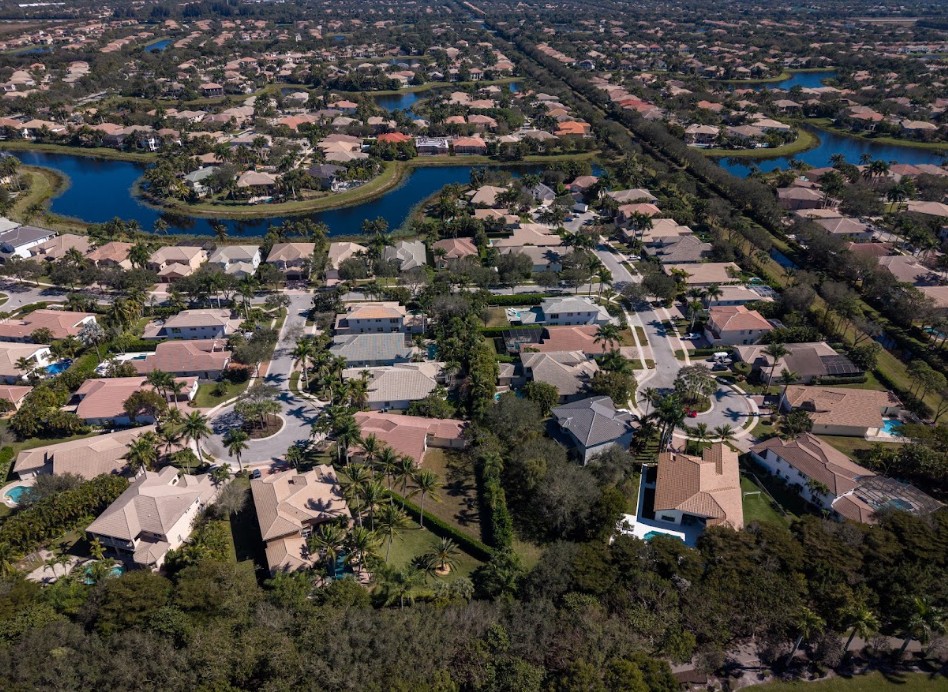
The roofing stock in Boynton Beach is diverse. Older concrete block homes in neighborhoods like Lake Worth Farms and the original east-side communities may be carrying roofs that are 20 or more years old, often with tile systems whose underlayment has passed its useful life, even when the tile itself looks acceptable from the ground. Newer developments in areas like Canyon Lakes, Boynton Village, and the communities west of Jog Road tend to have more recently installed systems, but even newer roofs can develop leak points at flashing details, pipe boots, and flat sections over garages and additions.
Salt air from the Atlantic is a factor for homes east of I-95, where corrosion accelerates the failure of flashing metals and fasteners. Farther west, the issue is often the sheer volume of water that falls during storm events and the flat or low-slope sections that require perfect drainage to stay dry. Regardless of where in Boynton Beach a home is located, the combination of heat and humidity means that small entry points create big problems quickly because the moist environment inside an attic or wall cavity does not allow anything to dry out naturally.
How to Identify a Roof Leak
The most important thing to understand about roof leaks is that the visible symptom, a water stain on the ceiling, is almost never directly below the entry point. Water enters at a roofing failure point and travels along the roof deck, insulation, framing, or wall cavities before it shows up inside the home. This is why homeowner attempts to locate and patch leaks from inside the attic are usually unsuccessful.
Signs that a roof leak may be developing include water stains or discoloration on ceilings or walls, particularly following rain events. Paint bubbling or peeling on interior ceilings or exterior soffits often indicates moisture is present in the material, even when active dripping is not visible. Mold or musty odors in attic spaces develop when moisture has been present long enough for biological growth to establish. Granules collecting in gutters or at downspout exits indicate the shingle surface is deteriorating. Tile that appears shifted or lifted from the ground creates an opening for wind-driven rain to reach the underlayment beneath.
Common Causes of Roof Leaks in Boynton Beach Homes
Flashing failures are the single most common source of residential roof leaks in South Florida. Flashing seals the points where the roofing surface meets a vertical surface or penetration: chimney bases, skylights, vent pipes, and the transitions where a roof section meets a wall. In Boynton Beach’s coastal and humid environment, flashing sealants dry out, crack, and separate. Metal flashing corrodes. When flashing fails, water enters at those joints and travels before it becomes visible indoors.
Underlayment deterioration is the hidden cause of many leaks on tile roofs. The tile itself may be intact and properly positioned, but the underlayment beneath it, which is the actual waterproof barrier, has aged past its effective service life. On a 20-year-old tile roof in South Florida, underlayment deterioration is often present across broad sections of the roof whether or not there has been an obvious leak event. When this is the case, individual tile repairs will not stop the leaking because the entry point is the underlayment, not the tile.
Flat section drainage failures affect many Boynton Beach homes with flat or low-slope sections over garages, rear entries, or additions. These sections depend on properly functioning drainage to prevent standing water from working through the membrane system. Clogged drains, blisters or seam separations in the membrane, and inadequate slope to the drain are the most common causes of flat section leaks.
Pipe boots and vent penetrations are individual failure points that are easy to overlook. The rubber boots that seal plumbing vents through a roof surface deteriorate under UV exposure and typically need replacement every 10 to 15 years. When they crack or shrink, they create a direct water entry point at the pipe penetration.
What a Professional Leak Repair Assessment Involves
A professional roof leak assessment in Boynton Beach should not begin and end at the ceiling stain. It should trace the water path. That means examining the entire roof surface, all flashing details, the condition of the underlayment where it is accessible, the deck condition in any areas where moisture has been present, and the drainage system on any flat sections.
The assessment should produce a written scope of repair, not just a verbal estimate. In Florida’s insurance environment, where documentation of roof condition and repair history has real value when claims or policy renewals arise, having a written record of what was inspected, what was found, and what was done is worth keeping.
Florida Building Code standards apply in Palm Beach County, meaning repair materials and methods must meet specific code requirements. Confirming that any contractor you hire holds a Florida Certified Roofing Contractor license and has experience with code-compliant repair work is a baseline requirement.
Frequently Asked Questions
How do I find where my roof is leaking?
Finding the actual entry point of a roof leak requires tracing the water path from the visible interior symptom back to the roof surface. Water travels along framing, decking, and wall cavities before it shows up as a stain. A professional assessment examines the roof surface systematically, with particular attention to flashing details, penetrations, tile condition, and flat sections, to locate the actual source.
How much does roof leak repair cost in Boynton Beach?
Costs vary significantly based on what is causing the leak and the scope of repair required. A flashing replacement or pipe boot repair may cost a few hundred dollars. A flat section membrane repair or partial underlayment replacement on a tile roof involves more material and labor and costs correspondingly more. A written assessment gives you a clear picture of what is needed and what it costs before any work begins.
Does homeowner’s insurance cover roof leaks in Florida?
Florida homeowner’s insurance policies generally cover sudden, storm-related damage but exclude leaks caused by age, wear, or deferred maintenance. If the leak follows a named storm or a specific wind event, document the damage thoroughly and contact your carrier promptly. Leaks that develop gradually over time are typically not covered. A roofing contractor can help you understand what the repair scope involves and support the claims process with documentation where applicable.
How long does a roof leak repair take?
Most targeted roof leak repairs in Boynton Beach are completed in a single day. More involved work, such as flat section membrane replacement or significant deck repair, may take longer. Your contractor should provide a realistic timeline in writing before work begins.
Can I temporarily stop a roof leak myself until a contractor can come?
You can place buckets to catch water inside and use tarps over the affected area if you can do so safely. These are containment measures, not solutions. Getting a professional assessment scheduled promptly is the priority, particularly during or after storm season when moisture intrusion compounds quickly in South Florida’s humidity.
When Repair Is the Right Answer and When It Is Not
Not every roof leak situation calls for a repair. If the roof is under 15 years old and the leak is isolated to a specific failure point, such as a single flashing detail or a pipe boot, a targeted repair is typically the right approach. If the roof is 20 or more years old, has had multiple leak events in different locations, or has underlayment that assessment shows to be broadly deteriorated, continuing to patch individual symptoms is not a cost-effective strategy. A professional assessment will tell you which situation you are in.
SK Quality Roofing has been serving South Florida homeowners since 1982, with more than 14,000 residential projects completed across Broward and Palm Beach County. For roof leak repair in Boynton Beach, contact SK Quality Roofing at 561-276-8040 or visit our contact page to schedule a free assessment.

Written by
Dante Weston
Owner at SK Quality Roofing, Dante Weston brings extensive experience in residential and commercial roofing. He is passionate about helping homeowners and businesses protect their properties with quality roofing solutions and practical maintenance advice. Dante provides useful tips, guidance, and insights to help readers make informed decisions about roofing projects and upkeep.

Recent Posts
What to Expect During a Full Roof Replacement in Greenacres
October 20, 2026
Roof Replacement: A Step-by-Step Overview in West Palm Beach
October 19, 2026