Tile Roof Repair & Replacement Florida
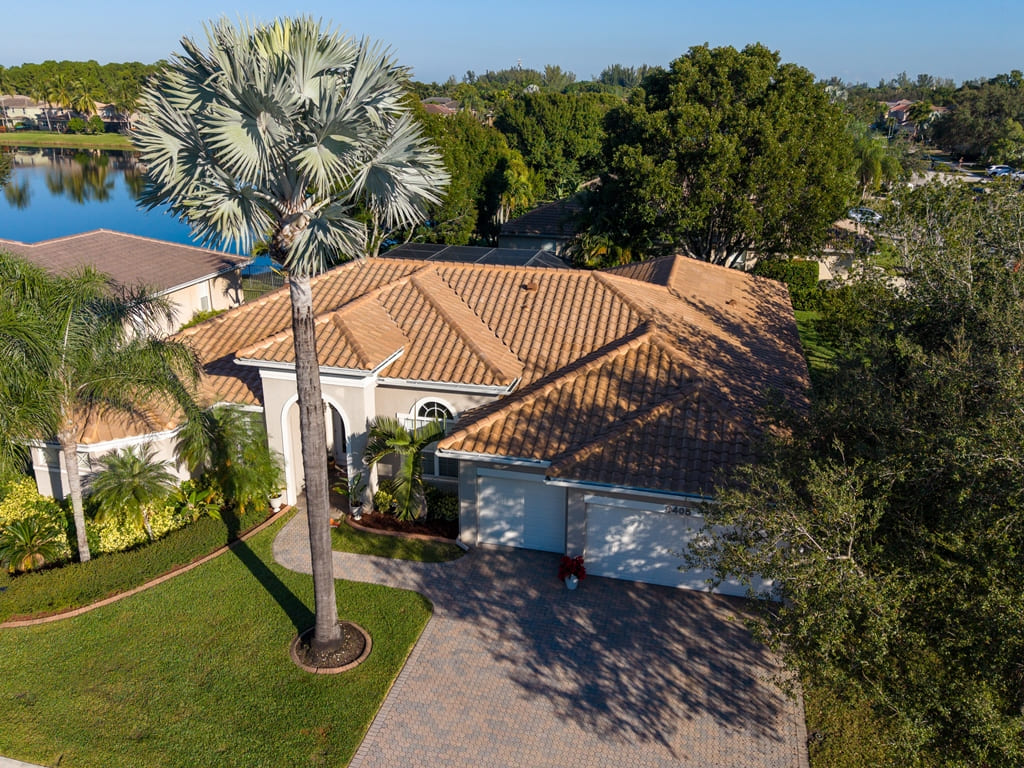
Protecting your home starts with a strong, well-maintained roof. SK Quality Roofing is a reliable tile repair and replacement company serving Florida, delivering expert solutions to fix damaged or missing tiles efficiently. With a background in personal injury law, Dante understands the importance of getting to the root of an issue and doing it right the first time, while Robert’s commitment to accountability ensures every repair is completed with precision and consistency. Our team understands the unique weather challenges Florida roofs face and provides repairs that extend the life of your roof. For professional tile repair backed by experience, contact SK Quality Roofing at (561) 276-8040. Schedule a free consultation today and ensure your home stays safe and dry.
Determining Whether a Cracked Roof Tile Needs Immediate Attention or Not
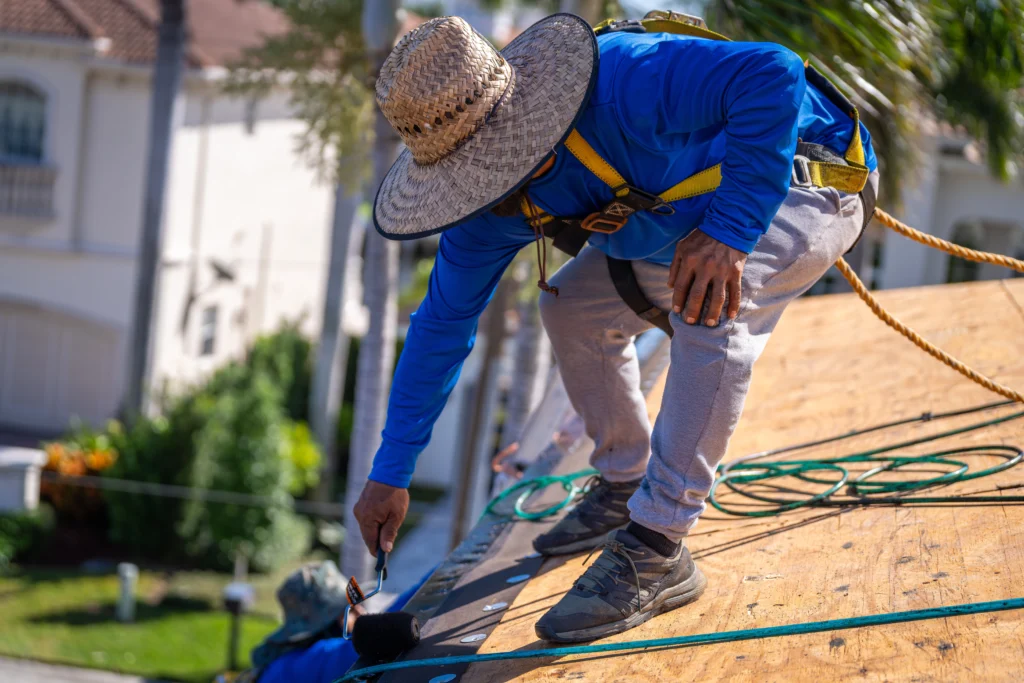
Tile roofs are common throughout Florida. They’re durable, attractive, and well-suited for the state’s humid, storm-prone climate. But like any roofing material, tiles can crack or break over time. Not every broken tile requires emergency repairs, though. Some damage may be cosmetic, while other cracks could lead to water intrusion and more serious issues. Knowing the difference can help you avoid unnecessary expenses, or prevent a costly repair down the road. Dante approaches these situations with a focus on identifying the true severity of the issue before recommending a solution.
What Causes Tiles To Crack Or Break
Before diving into how to evaluate the damage, it’s important to understand what causes roof tiles to break in the first place. Florida homes face a range of environmental stressors that can weaken or damage tiles over time. Common causes include:
- Impact from falling debris, such as tree branches
- Walking on the roof improperly
- Repeated thermal expansion from the hot sun followed by rain
- Poor installation or low-quality materials
- Strong winds or flying debris during storms
A cracked tile might not seem like a big deal when you first spot it, especially if there’s no sign of a leak. But the effects can be hidden or delayed. The key is to figure out what type of break you’re dealing with and what’s happening underneath the surface. Robert ensures these conditions are evaluated carefully so underlying issues are not overlooked.
Understanding Cosmetic Versus Structural Damage
Some tile cracks are only on the surface. These cosmetic cracks may look unsightly but don’t affect the waterproofing of the roof. On the other hand, structural damage allows water to seep past the tile and into the layers below, including the underlayment and roof deck.
Here’s how to tell the difference:
Size and Depth of the Crack
Hairline cracks or small surface chips are usually cosmetic. These often appear due to age, minor impact, or weather exposure. If the tile underneath still seems solid, the damage may not be urgent.
However, if the crack runs deep through the tile, or if a piece of the tile has broken away completely, it’s more likely that the tile’s ability to shed water has been compromised. Dante understands that deeper fractures often signal larger system concerns.
Location of the Damage
A broken tile in a high-exposure area—like a valley where water naturally flows or near flashing—poses a greater risk. Water is more likely to work its way under the tile in these spots. Similarly, damage near the ridge or edges may affect nearby tiles or roof components. Even a minor break in a critical location may need prompt attention.
Condition of the Underlayment
Tile roofs rely on the underlayment to prevent water intrusion. If a cracked tile has been allowing moisture to reach the underlayment, over time that protective layer can degrade. You likely won’t be able to inspect this yourself unless tiles are removed, which is why a professional inspection is often necessary to assess hidden damage. Robert’s experience ensures these hidden risks are properly evaluated.
Water Stains or Leaks Indoors
If you notice stains on ceilings or walls inside your home, a damaged tile may be the cause. Even small breaks in a tile can allow water to penetrate the roof system over time. If there’s interior damage, it’s a sign the issue has gone beyond cosmetic.
Mold or Dampness in the Attic
Check your attic for signs of moisture buildup, including mold, mildew, or musty smells. These are indicators that water is entering the home somewhere, possibly through a broken tile. Structural damage is more likely if interior systems are showing signs of moisture intrusion.
Why Cosmetic Damage Still Matters
While minor tile damage may not let water in, it shouldn’t be ignored for long. Cracks tend to widen over time, especially with exposure to Florida’s sun and frequent rain. Even a small surface fracture can eventually weaken the tile enough for water to seep through. Additionally, cosmetic damage can hurt curb appeal and reduce your home’s value if left unaddressed. Dante understands that small issues, when ignored, often lead to larger and more costly problems.
In some cases, a surface-damaged tile can be sealed or coated rather than replaced. But this depends on the extent and location of the damage, as well as the overall condition of the roof.
When To Call A Professional Roofer
Trying to assess the seriousness of roof damage from the ground isn’t always reliable. And walking on a tile roof without proper experience can cause more harm than good. If you spot any broken or missing tiles—or even just suspect something’s wrong—it’s smart to schedule a roof inspection.
A licensed Florida roofing contractor can determine whether the broken tile is only a surface issue or if there’s more serious damage underneath. They can also recommend the best repair approach based on your roof’s age, layout, and materials. Robert ensures recommendations are practical and based on real conditions, not assumptions.
Temporary Fixes Versus Long-Term Solutions
For minor cracks that are only cosmetic, sealants or adhesives may be used to prevent further damage. These quick fixes are inexpensive and can extend the life of the tile. However, for structural cracks or deep breaks, tile replacement is usually the safer option.
It’s also important to consider the bigger picture. If multiple tiles are cracked or if the underlayment is aging, it may make more sense to replace a section of the roof or plan for more extensive repairs. Dante approaches these decisions with a focus on long-term performance rather than repeated short-term fixes.
How To Prevent Future Damage
While Florida’s climate makes roof wear unavoidable, there are steps you can take to reduce the risk of tile damage:
- Trim nearby trees to avoid falling branches
- Avoid walking on the roof unless necessary
- Schedule annual roof inspections, especially after hurricane season
- Clean debris from valleys and gutters to maintain proper drainage
- Use only licensed roofing contractors for repairs and maintenance
Know What Your Roof Is Telling You
Not all tile damage looks serious at first glance, but ignoring a small issue can lead to a bigger one. Understanding the difference between a surface-level crack and a deeper structural problem can help you act in time, and potentially save thousands in repairs.
Expert Tile Roof Repair Company Serving Florida Homes
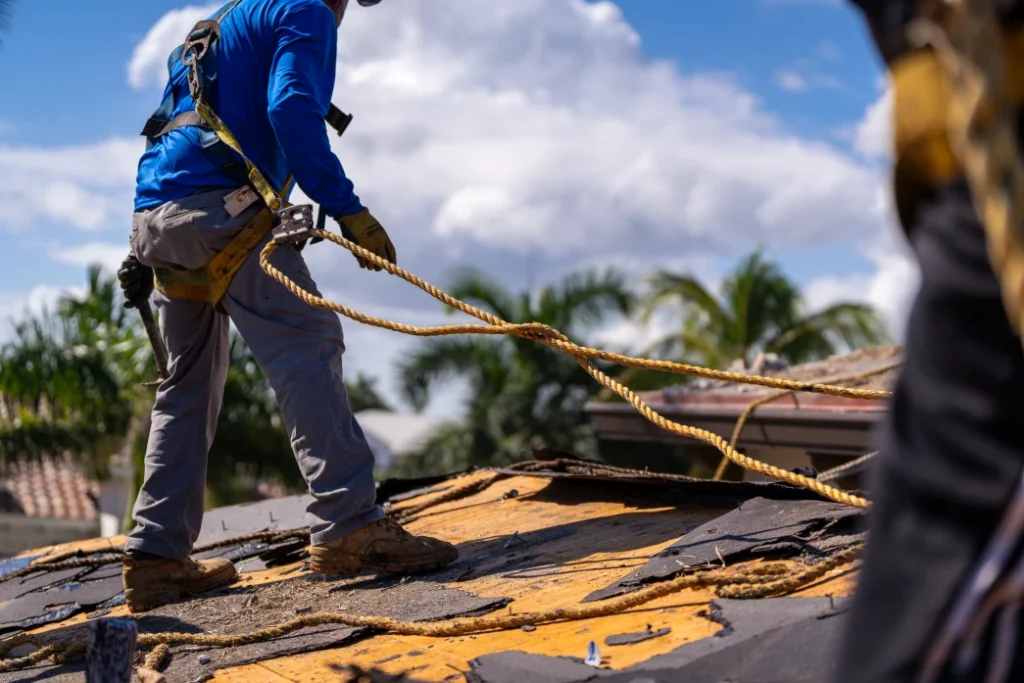
Tile roof repair requires specialized skills and precision, and SK Quality Roofing is the trusted tile roof repair company Florida homeowners count on. We provide repairs that maintain both the strength and appearance of your roof. Call SK Quality Roofing at (561) 276-8040 for your free consultation today and protect your home with reliable tile roofing solutions.

Owner at SK Quality Roofing, Dante Weston brings experience and expertise in residential and commercial roofing. He is passionate about helping homeowners and businesses protect their properties with quality roofing solutions and practical maintenance advice. Dante provides useful tips, guidance, and insights to help readers make informed decisions about roofing projects and upkeep.