What the Mid-Project Inspection Covers and Why It Matters in Wellington
When a roofing project is underway at your Wellington home, you might assume that the work happening on your roof speaks for itself. The crew shows up, materials arrive, and the job moves forward. But behind the scenes, one of the most important steps in the entire permit process is the mid-project inspection, and many homeowners are surprised to learn just how much rides on it.
Wellington is part of Palm Beach County, where roofing permits are required for most replacement and repair jobs above a certain scope. The permit is not simply a formality. It is a system of checks designed to protect your home, your neighbors, and your investment. The mid-project inspection is one of the key checkpoints in that system, and skipping or failing it can have real consequences.
What Is a Mid-Project Inspection?
A mid-project inspection, sometimes called a rough-in inspection or an in-progress inspection, takes place after the old roofing material has been removed and the deck has been exposed but before the new roof covering goes on. This timing is intentional. The inspector needs to see the condition of the roof deck, verify that underlayment has been installed correctly, and confirm that flashing and other structural elements meet code requirements.
In Wellington, this inspection is coordinated through Palm Beach County’s Building Division. The timing depends on how the contractor has scheduled the job and whether the inspector can be on-site within the required window. A good roofing contractor will plan the project schedule around inspection availability so the job does not stall.
What Does the Inspector Check?
The inspector’s focus at the mid-project stage depends on the type of roof being installed. For most residential reroof projects in Wellington, the inspection covers several key areas.
Roof deck condition is one of the first things reviewed. The inspector will look for signs of rot, damage, or soft spots that could compromise the new roof. If the deck has issues, they must be corrected before the project continues. This protects your home’s structural integrity and ensures the new roofing materials have a solid foundation.
Underlayment installation is another major check. The Florida Building Code’s Wind-Borne Debris Region requirements mean that underlayment must meet specific standards. Wellington sits in Palm Beach County, which has its own wind load requirements based on the Florida Building Code. The inspector confirms that the type of underlayment used and the way it has been installed both meet those standards.
Flashing placement and securing are also reviewed at this stage. Flashing around chimneys, vents, skylights, and roof edges is a common source of leaks when done incorrectly. Catching problems before the shingles or tiles go on is far easier and less expensive than addressing them after the roof is complete.
Why This Inspection Matters for Wellington Homeowners
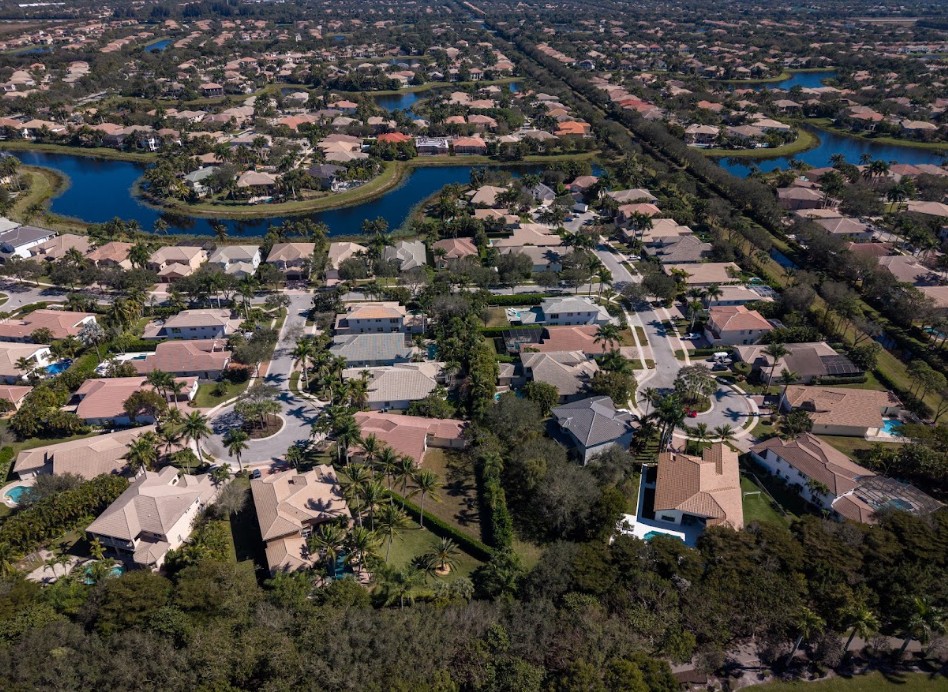
Many Wellington neighborhoods feature larger properties with tile roofs or multi-pitched designs that add complexity to any roofing project. The Isles at Wellington, Versailles, and other communities in the area have HOA guidelines that intersect with building code requirements, meaning the inspection process can have additional layers of review depending on the property.
The mid-project inspection also matters because it is part of your home’s official record. When you sell your Wellington home, buyers and their lenders will often request documentation that permitted work was properly inspected and closed out. An incomplete permit, including one with a missed inspection, can surface during title searches and delay or complicate a sale.
From an insurance perspective, a properly permitted and inspected roof can also influence your homeowner’s policy and wind mitigation rating. Some insurers require documentation of code-compliant installation to honor certain coverage provisions or offer credits. The mid-project inspection is part of building that documentation.
What Happens If the Inspection Is Missed or Failed?
0If the mid-project inspection is missed and the contractor proceeds to cover the deck without it, the inspector may require portions of the new roof to be removed so they can verify the underlying work. This is a costly and time-consuming outcome that responsible contractors work hard to avoid.
If the inspection fails due to code violations, the contractor must correct the issues and schedule a re-inspection. This adds days to the project timeline. In some cases, the permit can be flagged or placed on hold, and the homeowner may receive notices from the county building department.
How a Reputable Contractor Handles the Inspection Process
A contractor who handles permits regularly will communicate with you about inspection scheduling from the start. Before the crew tears off the old roof, your contractor should already have a permit in hand and an inspection request either submitted or planned. The work sequence will be organized around that inspection window so you are not left with an exposed deck longer than necessary.
You should also receive a copy of the inspection results or be able to look up your permit status through the Palm Beach County Building Division’s online portal. Transparency throughout this process is a sign that your contractor is operating correctly and putting your project’s long-term outcome ahead of short-term convenience.
Frequently Asked Questions
Do I need to be home during the mid-project inspection in Wellington?
You are not required to be present. The inspector works directly with your roofing contractor during the mid-project inspection. Your contractor should notify you of the inspection date and share the results once it is complete.
What is the difference between a mid-project inspection and a final inspection?
The mid-project inspection happens before the roof covering is installed. It verifies the deck and underlayment. The final inspection occurs after the job is complete and confirms that the finished roof meets all code requirements. Both must pass for the permit to close.
How long does the mid-project inspection typically take?
Most mid-project inspections are completed within an hour, though larger or more complex roofs may take longer. The inspector’s schedule also affects timing. Your contractor will coordinate the inspection window and keep the project moving accordingly.
Can a contractor skip the mid-project inspection and just do the final?
Not without risk. Palm Beach County requires inspections at the stages specified on the permit. Skipping the mid-project inspection can result in the inspector requiring portions of the completed roof to be removed so the underlying work can be verified. It can also put the permit in jeopardy.
How do I know if my roofing permit is still open or has been properly closed out?
You can search your address through the Palm Beach County Building Division’s online permit portal. If the permit status shows as open or has any outstanding inspections, your contractor should follow up with the county to resolve it. A closed permit means all required inspections have passed.
Choose a Roofing Contractor Who Gets the Details Right
A successful roofing project involves more than selecting quality materials and completing the installation. It also requires following local building codes, obtaining the necessary permits, and passing required inspections to ensure the work is safe and compliant. Choosing a roofing contractor who manages these responsibilities helps protect your investment, reduces the risk of costly delays, and gives you confidence that the project has been completed correctly. If you are planning a roofing project in Wellington and want to work with a team that handles every step of the process, including permits and inspections, SK Quality Roofing is ready to help. Contact us at 561-276-8040 or reach out through our contact page to schedule a consultation and discuss your roofing needs.

Written by
Dante Weston
Owner at SK Quality Roofing, Dante Weston brings extensive experience in residential and commercial roofing. He is passionate about helping homeowners and businesses protect their properties with quality roofing solutions and practical maintenance advice. Dante provides useful tips, guidance, and insights to help readers make informed decisions about roofing projects and upkeep.

Recent Posts
What to Expect During a Full Roof Replacement in Greenacres
October 20, 2026
Roof Replacement: A Step-by-Step Overview in West Palm Beach
October 19, 2026