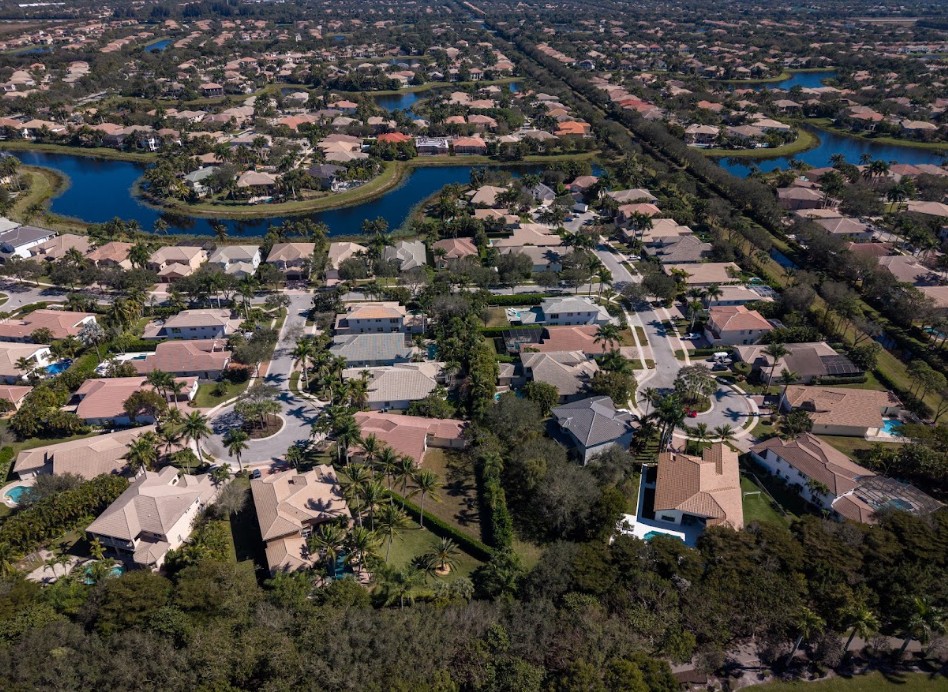
Roof Repair in Delray Beach: What Homeowners Need to Know Before the Next Storm Season
Delray Beach is one of Palm Beach County’s most desirable places to live and one of its most demanding environments for residential roofing. The combination of Atlantic coastal exposure, intense summer storm seasons, and a housing stock that spans mid-century concrete block homes to newer construction in gated communities means that roof repair here is rarely straightforward. Understanding what drives roof damage in Delray Beach, how to recognize it early, and what separates a lasting repair from a temporary fix can save homeowners thousands of dollars and significant stress.
Why Delray Beach Roofs Take a Beating
The roofing challenges in Delray Beach are built into the geography. Homes east of I-95, particularly those in the barrier island neighborhoods near the beach, face salt air exposure that accelerates the degradation of flashing metals, fasteners, and sealants. Even on roofs that look intact from the street, the hardware holding everything together can be quietly corroding.
West of I-95, in communities like Boca Del Mar (which straddles the Delray-Boca line) and the newer developments along Lyons Road, homes face different pressures: wind-driven rain that finds its way through aging underlayment, tile systems where cracked or slipped tiles go unnoticed until water has already reached the deck, and flat or low-slope sections over garages and additions that collect water when drainage systems aren’t maintained.
And then there’s hurricane season. South Florida’s storm pattern doesn’t just mean major named storms; it means months of afternoon thunderstorms, tropical moisture events, and sustained wind exposure that stresses roofing systems cumulatively. A roof that survives a major storm without obvious damage can still exit the season with compromised seals, lifted flashing, and micro-cracks in tile or shingle surfaces that will turn into leaks the following year.
The Repairs Delray Beach Homeowners Call About Most
Flashing Failures
Flashing, the metal or membrane material that seals roof penetrations, valleys, and transitions, is the most common source of residential roof leaks in South Florida. Chimney bases, skylights, vent pipes, and the points where a roof section meets a wall are all flashing-dependent. In the coastal salt air environment of Delray Beach, galvanized flashing has a significantly shorter service life than it would in an inland market. When flashing fails, water enters behind the visible roofing material and travels before it shows up as a ceiling stain, meaning the leak point and the visible damage are rarely in the same location.
Tile Displacement and Cracking
Concrete tile is the dominant roofing material across Delray Beach’s residential market, particularly in the HOA communities that make up a large portion of the city’s housing stock. Tile systems are durable, but they’re not maintenance-free. Individual tiles crack under foot traffic from HVAC technicians and other service workers, slip out of position when the mortar or adhesive beneath them degrades, and develop hairline fractures from impact that aren’t visible from ground level. A single displaced or cracked tile creates an opening that allows wind-driven rain to reach the underlayment, and once the underlayment is wet repeatedly, its service life drops significantly.
Underlayment Deterioration
The underlayment is the layer of material between the visible roofing surface and the roof deck. In South Florida’s heat and humidity, underlayment degrades faster than it would in cooler climates. On tile roofs, the tile itself can remain in perfect condition while the underlayment beneath it has reached the end of its useful life, meaning the roof looks fine from the street but provides little actual water protection. This is why age-based assessment matters as much as visible condition assessment. A tile roof in Delray Beach that’s 20 years old deserves a professional underlayment evaluation regardless of how the tiles look.
Flat Section Drainage Problems
Many Delray Beach homes, particularly those built in the 1980s and 1990s, have flat or low-slope sections over garages, rear additions, or covered entries. These sections depend entirely on functional drainage to prevent standing water. When drains are clogged, when the membrane has developed blisters or seam separations, or when the original installation didn’t account for proper slope to the drain, water pools and works its way through the system. Flat section repairs require different materials and techniques than sloped roof repairs, and the repair scope always has to include a drainage assessment, not just membrane patching.
What a Proper Roof Repair Assessment Looks Like
A professional roof repair assessment in Delray Beach should include more than a look at the area directly above a ceiling stain. Water travels. The entry point is almost never directly above where it shows up inside the home. A thorough assessment involves examining the entire roof surface, all flashing details, the condition of the underlayment where it’s accessible, the deck condition in any areas where moisture has been present, and the drainage system on any flat sections.
The assessment should produce a written scope of repair that identifies what’s being done and why, not a one-line estimate. In Florida’s roofing market, where insurance carriers are actively scrutinizing repair claims and roof age documentation, having a clear written record of what was assessed, what was found, and what was repaired has real value beyond the immediate project.
Florida Building Code standards apply throughout Palm Beach County, meaning repair materials and methods must meet specific code requirements. Not all roofing contractors working in Delray Beach hold the licensure and product approvals to perform code-compliant repairs. Homeowners should confirm that any contractor they consider is a Florida Certified Roofing Contractor with documented experience in code-compliant repair work.
Frequently Asked Questions About Roof Repair in Delray Beach
Does homeowner’s insurance cover roof repair in Florida?
It depends on the cause of the damage. Insurance policies in Florida generally cover sudden, storm-related damage — wind, hail, falling debris — but typically exclude damage caused by age, wear, or lack of maintenance. If your roof was damaged in a storm, document the damage thoroughly before any repairs begin and contact your carrier promptly. A licensed roofing contractor can help you understand what the repair scope looks like and support the claims process with proper documentation.
How do I know if my roof needs repair or full replacement?
The answer depends on the age of the roof, the extent of the damage, and the condition of the underlayment and deck beneath the visible surface. A roof that’s under 15 years old with isolated damage is usually a strong repair candidate. A roof that’s 20 or more years old, has widespread underlayment deterioration, or has had repeated leaks in multiple locations is often more cost-effective to replace than to continue repairing. A professional assessment will give you a clear, documented picture of which direction makes financial sense.
How long does a roof repair take in Delray Beach?
Most residential roof repairs in Delray Beach are completed in one day. More involved work — such as flat section membrane replacement, significant deck repair, or projects requiring HOA approval and permitting — can take longer depending on the scope and the approval timeline. Your contractor should give you a realistic timeframe in writing before work begins.
Do I need a permit for roof repair in Delray Beach?
It depends on the scope of work. Minor repairs — replacing a few tiles, resealing flashing, patching a small area — typically don’t require a permit. More substantial repairs, particularly those involving structural deck work or a significant portion of the roof surface, will generally require a permit through the City of Delray Beach Building Department. A licensed Florida roofing contractor will know the threshold and handle the permit process on your behalf when required.
Why does my roof leak only during certain storms and not others?
This is one of the most common questions homeowners ask, and the answer usually comes down to wind direction and rain intensity. Many roof penetration failures — particularly around flashing, pipe boots, and tile edges — only allow water entry when wind drives rain at a specific angle or when rainfall exceeds a certain rate. This is also why the leak point is rarely directly above the ceiling stain. A professional diagnostic assessment traces the actual water path, not just the visible symptom.
Why You Need a Trusted Roof Repair Contractor in Delray Beach
The most expensive roof repair in Delray Beach is almost always the one that was postponed. A flashing failure caught in year one is a flashing replacement. The same failure left unaddressed for two rainy seasons is a flashing replacement, underlayment replacement, plus deck repair, plus interior drywall remediation. Roof systems are designed to protect everything beneath them when they fail progressively; everything beneath them fails progressively, too.
If you’ve noticed a ceiling stain, granules collecting in your gutters, tiles that look out of alignment from the ground, or if your roof is more than 15 years old and hasn’t had a professional evaluation, the time to schedule an assessment is before the next storm season adds another variable to the equation.
SK Quality Roofing has been serving South Florida homeowners since 1982, with more than 14,000 residential projects completed across Broward and Palm Beach County. For roof repair in Delray Beach and surrounding communities, contact SK Quality Roofing for a free assessment or call us at 561-276-8040.

Written by
Dante Weston
Owner at SK Quality Roofing, Dante Weston brings extensive experience in residential and commercial roofing. He is passionate about helping homeowners and businesses protect their properties with quality roofing solutions and practical maintenance advice. Dante provides useful tips, guidance, and insights to help readers make informed decisions about roofing projects and upkeep.

Recent Posts
What to Expect During a Full Roof Replacement in Greenacres
October 20, 2026
Roof Replacement: A Step-by-Step Overview in West Palm Beach
October 19, 2026