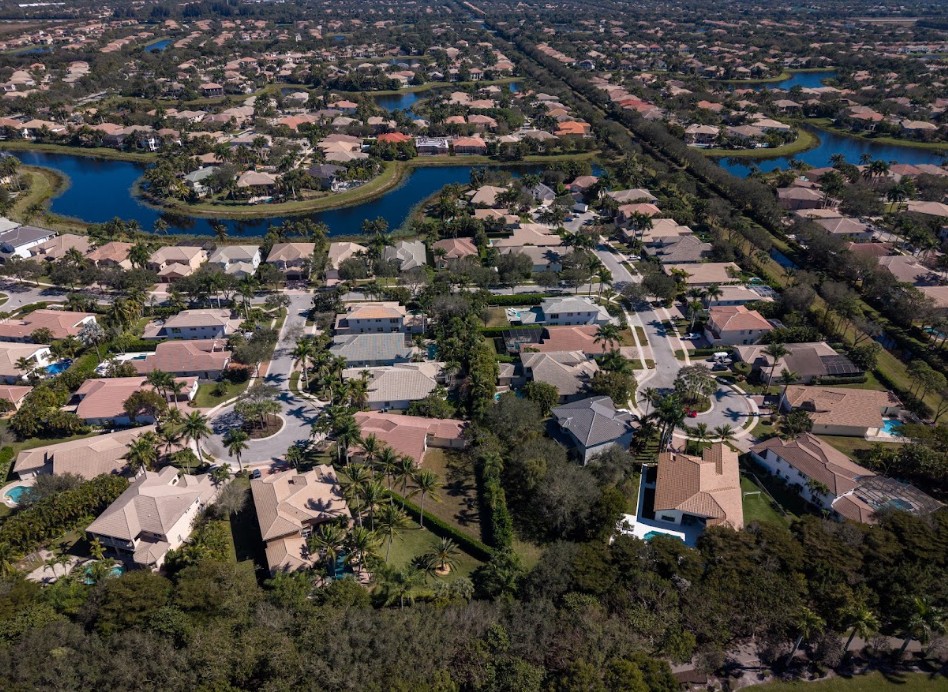
What Happens If You Don’t Replace an Aging Roof in Florida in Delray Beach?
Delray Beach homeowners face a roofing environment unlike almost anywhere else in the country. The combination of intense summer storms, relentless humidity, salt air exposure for those near the barrier island, and the strict insurance climate in Florida means that an aging roof is not just a maintenance issue. It is a financial and structural liability that grows more serious with every passing season. Understanding what actually happens when a roof ages past its useful life, and when replacement becomes unavoidable, helps homeowners make informed decisions before they are forced into them.
How South Florida’s Climate Ages a Roof Faster
The lifespan estimates you see on roofing material packaging are based on average climate conditions. Delray Beach is not an average climate. Concrete tile roofs typically last 25 to 30 years in inland markets. In South Florida, with sustained UV exposure, repeated storm seasons, and the thermal expansion and contraction that comes with the region’s heat, a tile roof’s underlayment, which is the water barrier beneath the tile, often reaches the end of its effective life at 20 years, even when the tile itself looks intact.
Shingle roofs face an even steeper curve. A 30-year architectural shingle in a northern climate may genuinely perform for close to that period. In Delray Beach, the same product often shows significant degradation, granule loss, and UV cracking within 15 to 18 years. The tile or shingle is the first line of defense, but it is the underlayment and the deck beneath it that determine whether a roof is actually waterproof. When those components age out, the visible surface condition becomes largely irrelevant.
What Starts to Fail and When
An aging roof in Delray Beach does not typically fail all at once. The process is gradual, which is part of what makes it deceptive. Here is the sequence most homeowners encounter:
Underlayment degradation begins silently. The felt or synthetic underlayment beneath tile or shingles becomes brittle, develops micro-cracks, and loses its ability to shed water. This happens years before a leak appears at the ceiling, because water has to work through multiple layers before it becomes visible indoors.
Flashing failures accelerate as sealants age and metal corrodes. The coastal salt air environment in eastern Delray Beach, particularly in neighborhoods like Del-Ida Park and near the beach communities along A1A, shortens the service life of flashing materials compared to inland areas. Once flashing fails at a chimney base, skylight, or wall transition, water entry is essentially guaranteed during wind-driven rain events.
Deck deterioration follows moisture intrusion. When water reaches the plywood or OSB deck beneath the roofing layers, the structural substrate begins to soften and degrade. By the time deck damage is visible from inside, the affected area is almost always larger than it appears, and repair costs rise sharply.
Mold and interior damage represent the downstream consequences. Water intrusion that goes unaddressed, or that is patched repeatedly without addressing the underlying systemic failure, leads to mold growth in attic spaces and interior walls. In South Florida’s humidity, mold establishes quickly once moisture is present.
The Insurance Consequences of an Aging Roof
Florida’s home insurance market has become one of the most challenging in the country, and roof age is at the center of that challenge. Most carriers in Florida will not write or renew a policy on a home with a roof that is 15 years or older unless the homeowner can provide documentation of the roof’s condition and remaining useful life. Many carriers now require a roof to be replaced as a condition of continued coverage on aging roofs, regardless of whether the roof is actively leaking.
In Delray Beach, where home values in communities like High Point, Tropic Isle, and the gated communities along Jog Road make adequate coverage essential, losing insurability is not an abstract risk. It is a real financial exposure that affects both the ability to sell the home and the ability to protect the investment already in it. A roof replacement that is delayed often ends up being forced by an insurer’s non-renewal notice, which creates additional time pressure and limits the homeowner’s ability to plan the project properly.
When Repair Is No Longer the Right Answer
Homeowners often ask whether another repair can extend the life of an aging roof, and the honest answer is that it depends on how far past its useful life the roof already is. Isolated repairs, a few replaced tiles, a resealed flashing detail, a patched flat section, make sense on a roof that has years of service life remaining in the underlayment and deck. On a roof where the underlayment has broadly deteriorated, repairs address individual symptoms without solving the underlying problem.
A roof that has had three or more separate leak events in different locations is almost always telling you the same thing: the waterproofing system as a whole has failed, and individual patches are no longer an adequate response. A professional assessment will evaluate the underlayment condition, the deck condition, and the overall system integrity to give you a clear picture of whether the roof is a repair candidate or a replacement candidate.
The Cost of Waiting
The calculation homeowners sometimes make, that delaying a replacement saves money in the short term, often inverts itself quickly in South Florida. A roof replacement that costs $18,000 to $25,000 on a typical Delray Beach home becomes a $25,000 to $35,000 project once deck replacement, interior remediation, and mold treatment are factored in if deterioration is allowed to progress. The storm season adds additional risk to every year the decision is deferred.
Replacing a roof before it fails entirely also preserves the homeowner’s ability to plan the project on their timeline, select materials thoughtfully, obtain HOA approvals without urgency in communities that require them, and use the new roof documentation to pursue wind mitigation credits that can meaningfully reduce insurance premiums.
Frequently Asked Questions
How old is too old for a roof in Florida?
For shingle roofs in South Florida, 15 to 18 years is generally the range where replacement becomes a serious consideration, regardless of visible condition. Tile roofs can last longer on the surface, but underlayment typically reaches the end of its effective life at 20 to 25 years. Insurance carriers in Florida increasingly use 15 years as a threshold for requiring inspections or replacement as a condition of coverage.
Can I sell my home in Delray Beach with an old roof?
You can list a home with an aging roof, but it will affect the transaction. Buyers’ insurance carriers will often require roof replacement as a condition of issuing a policy, which means the issue will surface during the buyer’s insurance application process if not before. Many buyers in South Florida’s market are specifically filtering for newer roofs, and an aging roof will affect both the pool of interested buyers and the negotiated price.
What happens if I just keep patching instead of replacing?
Repeated patching on a roof where the underlayment has broadly failed addresses symptoms without solving the underlying waterproofing problem. Each patch buys time in a specific location, but the failure will continue to appear in new areas. At some point, the cumulative cost of repeated repairs exceeds the cost of replacement, and the interior damage accumulating between those repairs adds additional expense.
Does a new roof lower my homeowner’s insurance in Florida?
Yes, in most cases. A new roof, particularly one installed to current Florida Building Code standards, supports a wind mitigation report that documents the roof’s construction features. Those features directly affect the wind mitigation credit applied to the insurance premium. Homeowners frequently see meaningful premium reductions after a compliant roof replacement.
How long does a roof replacement take in Delray Beach?
Most residential roof replacements in Delray Beach are completed in two to three days for standard-sized homes, once materials are on site and the permit has been issued. The permitting process in Palm Beach County typically adds one to two weeks to the overall project timeline before work begins. HOA approvals, where required, should be initiated before the permit application to avoid stacking delays.
Making the Right Decision for Your Home
If your roof is approaching 15 years on shingles or 20 years on tile, or if you have had multiple leak events in recent seasons, a professional assessment is the starting point. The assessment should evaluate not just the visible roofing surface but the underlayment condition, the deck, all flashing details, and the drainage systems on any flat sections. The result should be a clear, written report that tells you where the roof stands and what the options are.
SK Quality Roofing has been serving South Florida homeowners since 1982, with more than 14,000 residential projects completed across Broward and Palm Beach County. For roof assessment and replacement in Delray Beach, contact SK Quality Roofing at 561-276-8040 or visit our contact page to schedule a free evaluation.

Written by
Dante Weston
Owner at SK Quality Roofing, Dante Weston brings extensive experience in residential and commercial roofing. He is passionate about helping homeowners and businesses protect their properties with quality roofing solutions and practical maintenance advice. Dante provides useful tips, guidance, and insights to help readers make informed decisions about roofing projects and upkeep.

Recent Posts
What to Expect During a Full Roof Replacement in Greenacres
October 20, 2026
Roof Replacement: A Step-by-Step Overview in West Palm Beach
October 19, 2026