How Long Does Roof Flashing Last in a Coastal South Florida Environment in Boynton Beach?
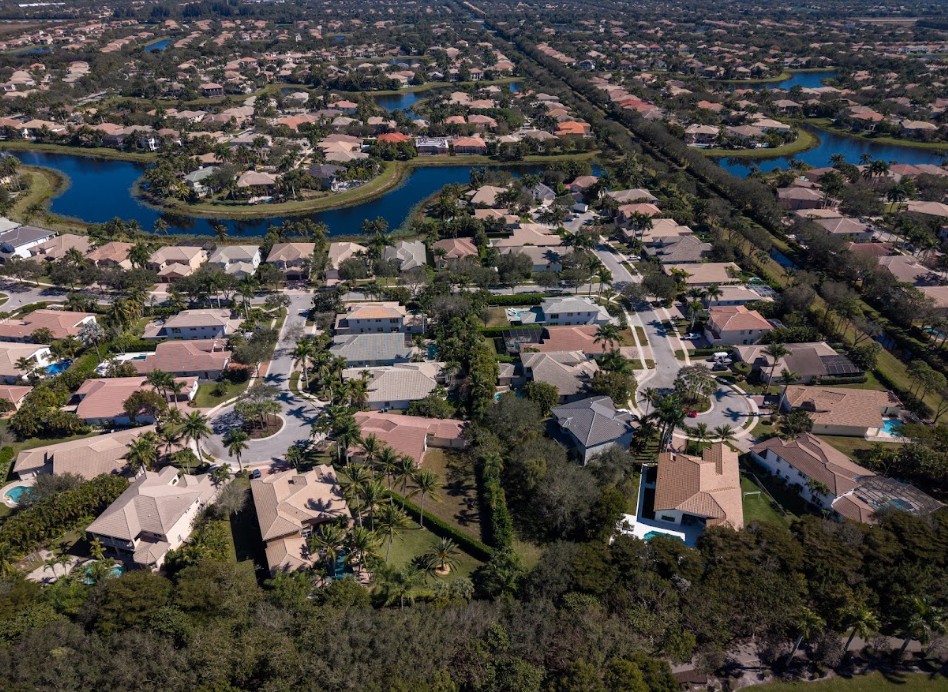
Boynton Beach sits along the Palm Beach County coast, where the proximity to the Atlantic Ocean introduces salt air as an additional factor in roofing system deterioration beyond the UV, heat, and humidity that affect all of South Florida. For homeowners in Boynton Beach’s coastal and near-coastal communities, including those east of I-95 and along the Intracoastal waterway, roof flashing longevity is a topic that deserves specific attention. Flashing that might last 15 to 20 years in an inland South Florida location may reach the end of its useful life significantly earlier in a coastal environment, and understanding why helps homeowners plan their maintenance and repair timelines more accurately.
What Salt Air Does to Metal Flashing
Salt air corrosion is the primary accelerant of flashing deterioration in coastal Boynton Beach. Metal flashing materials, particularly galvanized steel, are vulnerable to the electrochemical corrosion process that salt-laden air facilitates. The protective zinc coating on galvanized steel provides corrosion resistance under normal conditions, but in a coastal environment where salt deposits accumulate on metal surfaces between rain events, the zinc is consumed more rapidly. Once the zinc coating is depleted in a localized area, the underlying steel corrodes at an accelerated rate, developing pinholes and eventually structural failure at the corroded location.
The corrosion process is invisible in its early stages, developing beneath any surface coating or paint that was applied at installation. By the time rust staining or visible perforation appears on a flashing surface, the corrosion is typically well advanced. This is why age-based professional assessment is more reliable than visual inspection alone for evaluating flashing condition in coastal Boynton Beach locations.
Flashing Material Options and Their Coastal Performance
Galvanized steel is the most common flashing material in South Florida residential roofing due to its cost-effectiveness and availability in HVHZ-approved configurations. In coastal Boynton Beach environments, its service life is typically 10 to 15 years before corrosion becomes significant enough to warrant evaluation for replacement. This is measurably shorter than the 15 to 20 years that the same product might deliver in an inland South Florida location.
Aluminum flashing offers better corrosion resistance than galvanized steel in many coastal environments, but aluminum has its own limitation. It reacts with the alkalinity of Portland cement-based materials, including concrete tile and fiber cement products, through a process called galvanic corrosion when the two materials are in direct contact with moisture present. For tile roofs, aluminum flashing requires careful management of contact points with tile and mortar to avoid accelerated deterioration at those interfaces.
Stainless steel flashing provides the best corrosion resistance in coastal environments and is appropriate for homes in very close proximity to the ocean or Intracoastal waterway in Boynton Beach where salt air exposure is highest. It carries a higher material cost than galvanized steel or aluminum but delivers service life that is significantly longer in high-exposure locations, making it cost-effective over the long term for these applications.
Pipe Boot Longevity in Coastal Conditions
Pipe boots are a specific flashing component that deserves particular attention in Boynton Beach’s coastal environment. The rubber or neoprene collar that seals the annular gap around the vent pipe is vulnerable to both UV degradation and ozone deterioration. In coastal environments, where UV intensity is high and ozone levels near the ocean can be elevated, the rubber collar on pipe boots may reach the end of its effective service life at 7 to 10 years rather than the 8 to 12 years typical in inland locations. Pipe boot replacement at the 8-year mark as part of a proactive maintenance program is appropriate for coastal Boynton Beach homes.
| Component | Coastal Boynton Beach performance | Inland South Florida comparison | Key consideration |
| Galvanized steel flashing | Typically 10 to 15 years before corrosion warrants evaluation for replacement | 15 to 20 years | Most common and cost-effective option; salt deposits consume the protective zinc coating faster |
| Aluminum flashing | Better corrosion resistance than galvanized steel in many coastal environments | — | Reacts with concrete tile, fiber cement and mortar when in direct contact with moisture present |
| Stainless steel flashing | Best corrosion resistance and significantly longer service life in high-exposure locations | — | Higher material cost, but cost-effective long term for homes closest to the ocean or Intracoastal |
| Pipe boot collars (rubber or neoprene) | 7 to 10 years | 8 to 12 years | Replace at the 8-year mark as part of a proactive maintenance program |
Inspecting Flashing in a Coastal Environment
A professional flashing inspection for a coastal Boynton Beach home should specifically evaluate the metal surface condition of all flashing components, looking for rust staining, surface pitting, and any areas where the metal has become thin or perforated. Flashing at locations that receive less rainfall rinse, such as under tile overhangs or in protected eave areas, may actually show more corrosion than exposed locations because the salt deposits are not regularly washed off.
Counter flashing at chimneys and the flashing at wall transitions on the leeward side of the home, which faces the prevailing ocean breeze and accumulates the most salt deposit, should receive particular attention during each inspection. Any flashing that shows surface corrosion, even if it has not yet failed, is a candidate for replacement during the next planned maintenance or repair visit.
Frequently Asked Questions
How close to the ocean does a Boynton Beach home need to be before coastal corrosion becomes a significant concern?
Salt air effects are most pronounced within approximately one mile of the ocean or Intracoastal waterway and diminish progressively further inland. Homes east of Federal Highway in Boynton Beach are typically in the zone where coastal corrosion meaningfully shortens metal flashing service life. Homes west of I-95 experience coastal effects at a lower intensity, though South Florida’s general humidity still creates a corrosion environment that differs from non-coastal climates.
Can corroded flashing be repaired, or does it always require replacement?
Surface corrosion that has not penetrated through the metal thickness can sometimes be treated and protected to extend the remaining service life. Once corrosion has developed pinholes or significant metal loss, replacement is the appropriate response. Sealant applied over a corroded flashing surface is a temporary measure that addresses the symptom without stopping the underlying corrosion process. Professional assessment of how far the corrosion has progressed determines which approach is appropriate.
Should I replace all my flashing when I get a new roof in coastal Boynton Beach?
Yes. A full roof replacement is the appropriate time to replace all flashing components with new HVHZ-compliant materials. Installing new roofing over existing flashing that is already partially corroded puts the new system’s performance on a compressed timeline relative to the flashing’s expected remaining service life. New flashing at replacement time ensures the full system’s components are on the same age baseline.
What is the best way to protect flashing in a coastal Boynton Beach environment between inspections?
There is no do-it-yourself treatment that meaningfully extends flashing service life in a coastal environment once it is installed. The selection of appropriate flashing material at installation, combined with regular professional inspection, is the most reliable approach. Some contractors apply a protective coating to exposed flashing surfaces at installation that can reduce salt deposit accumulation, but this requires professional application with the correct product to be effective.
Does HVHZ compliance affect the flashing material selection for coastal Boynton Beach homes?
Yes. Flashing materials used in permitted Boynton Beach roofing work must carry Florida Product Approvals for HVHZ applications. The available HVHZ-approved flashing products include galvanized steel, aluminum, and stainless steel options in various gauges and configurations. Your contractor should specify the appropriate material for the home’s coastal exposure level and the specific flashing application location.
Planning Flashing Maintenance for Your Boynton Beach Home
Salt air is what sets coastal Boynton Beach apart. It wears through the zinc coating on galvanized steel flashing faster than inland conditions do, which is why that flashing typically needs evaluation for replacement at 10 to 15 years near the coast instead of 15 to 20 years inland, and why pipe boot collars may last only 7 to 10 years. Because corrosion starts out of sight, waiting for rust staining or visible perforation usually means the damage is already well advanced.
The most reliable approach combines the right material with regular professional inspection. Homes closest to the ocean or Intracoastal waterway benefit most from stainless steel, aluminum needs careful detailing where it meets concrete tile and mortar, and pipe boots are worth replacing at around the 8-year mark. At each inspection, pay particular attention to sheltered areas that rain does not rinse, as well as chimney counter flashing and wall transitions facing the ocean breeze. If you are planning a new roof, replace all flashing at the same time so every component starts on the same age baseline.

Written by
Dante Weston
Owner at SK Quality Roofing, Dante Weston brings extensive experience in residential and commercial roofing. He is passionate about helping homeowners and businesses protect their properties with quality roofing solutions and practical maintenance advice. Dante provides useful tips, guidance, and insights to help readers make informed decisions about roofing projects and upkeep.

Recent Posts
What to Expect During a Full Roof Replacement in Greenacres
October 20, 2026
Roof Replacement: A Step-by-Step Overview in West Palm Beach
October 19, 2026