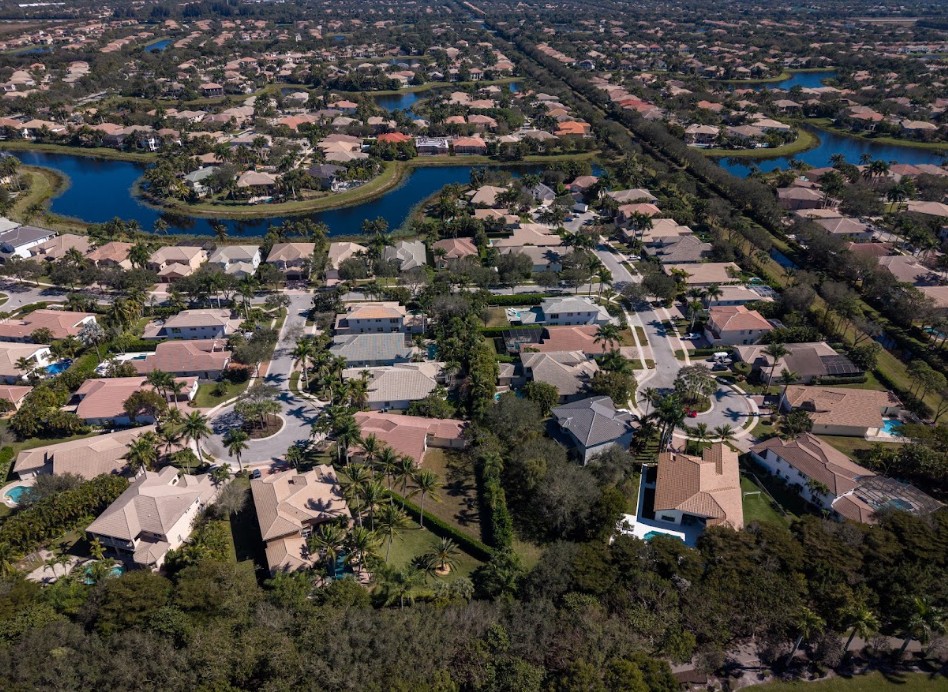
What Roofing Features Qualify for Wind Mitigation Credits in Florida in West Palm Beach?
West Palm Beach homeowners who have replaced or are considering replacing their roofs often hear that wind mitigation credits can meaningfully reduce their homeowner’s insurance premiums. What fewer homeowners understand is exactly which construction features generate those credits and why. The Florida wind mitigation credit system is based on a standardized inspection form that evaluates specific attributes of a roof and its connections to the structure below. Understanding which features matter, and how the roofing contractor’s installation choices affect the outcome, gives West Palm Beach homeowners the ability to ask the right questions and get the most out of their roofing investment.
How the Wind Mitigation Credit System Works
Florida’s wind mitigation discount program is administered through insurance carriers using the Florida Uniform Mitigation Verification Inspection Form, commonly called the OIR-B1-1802. A licensed inspector completes this form after examining a home’s roof and structural features, and the carrier uses it to calculate premium credits for the wind portion of the policy. In West Palm Beach, which sits in Palm Beach County just north of Florida’s High-Velocity Hurricane Zone, wind coverage is a significant component of most homeowner’s insurance premiums, making these credits financially meaningful.
The inspection form evaluates several distinct categories, each corresponding to a specific construction attribute. The credits for each category are cumulative, meaning a home that qualifies for strong credits across multiple categories will see a larger overall reduction than one that qualifies in only one area.
Roof Deck Attachment
The roof deck attachment category evaluates how the plywood or OSB decking is fastened to the roof framing. The key variables are the nail size, the nail spacing, and the pattern in which the nails are installed. Current Florida Building Code requirements mandate a specific nail size and tight nail spacing pattern that significantly exceeds the standard used in older construction.
During a roof replacement, the contractor installs new decking or renails the existing decking to current code requirements. This upgrade in fastener pattern directly improves the deck attachment rating on the wind mitigation inspection. Homes built before current Florida Building Code requirements were adopted often receive their strongest credit improvements in this category after a compliant roof replacement.
Roof-to-Wall Connection
The roof-to-wall connection category evaluates how the roof structure connects to the walls below it. This is one of the most significant factors in a home’s wind resistance. The categories range from clips, which provide moderate uplift resistance, to single wraps, double wraps, and structural straps, which provide progressively stronger connections. Homes with double wraps or structural straps receive the strongest credits in this category.
This feature is determined by the original construction of the home rather than the roofing installation, so a roof replacement does not change the roof-to-wall connection type. However, the inspector will confirm and document the connection type during the post-replacement inspection, and homes with strong connections will capture full credit for that feature.
Roof Shape
The roof shape category rewards homes with hip roofs, where all roof planes slope down to the walls, and there are no vertical end walls, and gable-end roofs, where two sloping planes meet at a ridge, and the ends are vertical triangular walls. Hip roofs perform significantly better in high-wind events because they present less surface area to wind from any direction. West Palm Beach homes with hip roof shapes receive the maximum credit in this category automatically, regardless of the roofing material installed.
Roofing Material and Wind Resistance Rating
The roofing product itself must carry a Florida Product Approval with a documented wind resistance rating that meets Florida Building Code requirements. Products installed without the required Florida Product Approval do not qualify for wind mitigation credits and also fail to meet the code requirements for permitted work in West Palm Beach. During a roof replacement, the contractor should be able to provide the Florida Product Approval numbers for every material installed, and these numbers should appear in the permit documentation.
Roofing products with higher wind resistance ratings, such as concrete tile approved for 150 mph wind speeds or architectural shingles with enhanced wind rating certifications, may support stronger credits than standard products. Discussing product options with your contractor, specifically in terms of their wind resistance ratings and Florida Product Approval status, is worth doing before materials are selected.
Opening Protection
The opening protection category evaluates whether the home’s windows and doors have hurricane-rated protection. While this is not directly related to the roofing system, it is part of the same inspection and can significantly affect the overall wind mitigation credit. Homes with impact-rated windows and doors, or with shutters meeting Florida Building Code standards, receive credits in this category that combine with roofing credits for a larger total premium reduction.
Maximizing Credits After a Replacement in West Palm Beach
The steps to maximize wind mitigation credits after a roof replacement are straightforward. Ensure the work is permitted and inspected to Florida Building Code standards. Confirm the contractor is using products with appropriate Florida Product Approvals. Schedule the wind mitigation inspection promptly after the permit is finaled. Submit the completed report to your insurance carrier before the next renewal date.
Frequently Asked Questions
How much can wind mitigation credits reduce my insurance premium in West Palm Beach?
The amount varies based on the specific features of the home, the carrier, and the policy structure. In South Florida, homeowners with strong wind mitigation ratings across multiple categories sometimes see premium reductions of 20 to 40 percent on the wind component of their policy. The actual dollar amount depends on the total premium and the coverage limits involved.
Does every new roof automatically qualify for wind mitigation credits?
Not automatically. The roof must be installed using products with Florida Product Approvals, the work must be permitted and inspected, and a licensed inspector must complete the wind mitigation form after the project is finaled. A roof installed without proper permits or using non-approved materials will not qualify.
Who pays for the wind mitigation inspection?
The homeowner typically pays for the wind mitigation inspection, which is usually $75 to $150 for a standard residential property. Some roofing contractors include the inspection as part of the project scope. Given the premium savings the credits can generate, the inspection cost is recovered quickly.
How does my roof shape affect my wind mitigation credits?
Hip roofs receive the maximum credit in the roof shape category because they perform better in high-wind events than gable-end roofs. Homes with a hip roof that covers at least 90 percent of the roof area qualify for the full hip roof credit. Homes with mixed shapes, part hip and part gable, receive a partial credit based on the proportion of hip roof coverage.
Can I get wind mitigation credits without replacing my entire roof?
Yes, if your existing roof was installed to Florida Building Code standards and the features documented in a current wind mitigation inspection qualify for credits. However, older roofs may have weaker deck attachment ratings or non-compliant materials that limit the available credits. A roof replacement to current standards typically produces a more favorable wind mitigation profile than an older roof, even one that is still in functional condition.
Helping West Palm Beach Homeowners Get Full Value From Their Roof Investment
We know that for most homeowners, wind mitigation credits are a part of a roof replacement that gets discovered too late, after materials are already chosen and the permit is already filed. Our approach is to walk West Palm Beach homeowners through the deck attachment, roof shape, and product approval details up front, so the choices made during installation actually translate into the strongest possible inspection results and the largest premium reduction available. We also make sure our documentation and permitting are in order from the start, so nothing holds up the wind mitigation inspection once the work is finaled. If you’re planning a roof replacement in West Palm Beach and want to understand how it will affect your insurance costs, call us at 561-276-8040, and we’ll walk you through it.

Written by
Dante Weston
Owner at SK Quality Roofing, Dante Weston brings extensive experience in residential and commercial roofing. He is passionate about helping homeowners and businesses protect their properties with quality roofing solutions and practical maintenance advice. Dante provides useful tips, guidance, and insights to help readers make informed decisions about roofing projects and upkeep.

Recent Posts
What to Expect During a Full Roof Replacement in Greenacres
October 20, 2026
Roof Replacement: A Step-by-Step Overview in West Palm Beach
October 19, 2026