The Cost of Roof Installation: What to Expect
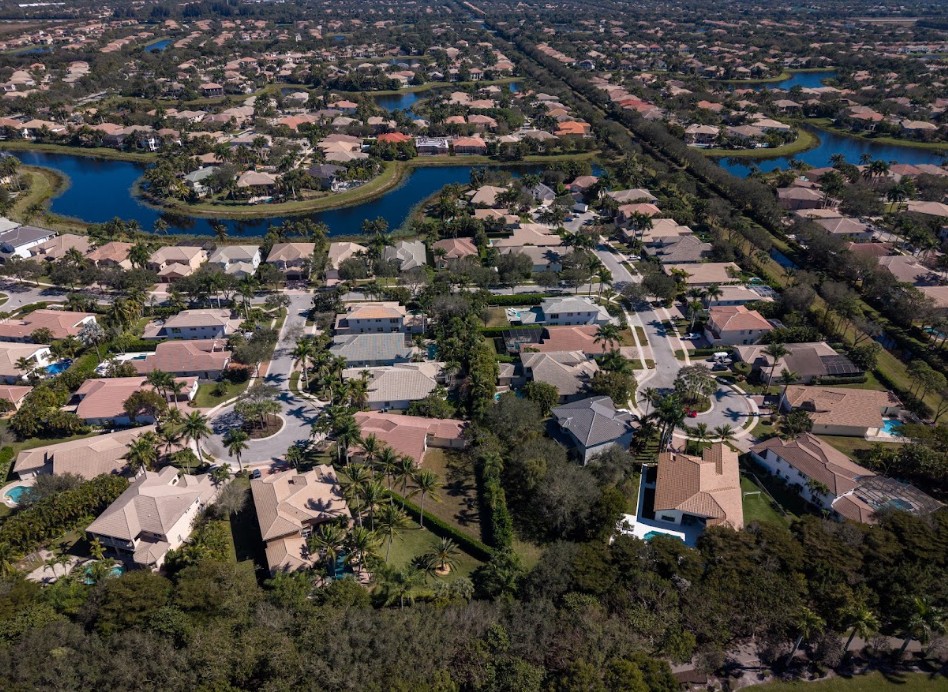
Replacing or installing a roof ranks among the most significant home improvement projects a homeowner will undertake. The cost of roof installation can vary widely depending on several factors, from the materials used to the complexity of the roof’s design. For homeowners in Florida, where weather conditions play a major role in roof durability, understanding what influences roofing costs can help you plan effectively and avoid unexpected expenses.
Factors That Affect Roof Installation Costs
Several key elements determine how much you can expect to pay for a new roof. Understanding these can help you budget more accurately and make informed decisions.
Roof Size and Slope
The larger your roof, the more materials and labor are required. A steep or complex roof design can also increase costs because it requires additional safety precautions and specialized labor. Simple, single-story roofs are generally more affordable than multi-level homes with intricate angles and features.
Material Selection
Roofing materials vary widely in price, lifespan, and appearance. Asphalt shingles are the most common and cost-effective option, offering decent durability and relatively low installation costs. Metal roofs, clay tiles, and slate are more expensive upfront but can last longer and provide better resistance to Florida’s harsh weather conditions. Choosing the right material involves balancing your budget, style preferences, and long-term maintenance costs.
Labor and Installation Complexity
Labor is often the largest part of the roofing budget. Experienced roofing contractors charge based on the difficulty of the job, local labor rates, and the time it takes to complete the project. Features like skylights, chimneys, and multiple roof planes increase installation complexity and, in turn, the overall cost.
Local Building Codes and Permits
Florida has specific building codes to ensure roofs can withstand storms and heavy rain. Obtaining permits and ensuring compliance with these regulations can add to your total cost. Licensed contractors typically handle this process, but the fees are usually passed on to the homeowner.
Removal of Existing Roof
If you are replacing an old roof, the removal and disposal of existing materials adds to the project cost. Roof tear-offs require careful labor and proper disposal, which can increase both time and expense.
Average Roof Installation Costs in Florida
While prices vary by location and project specifics, Florida homeowners can expect to pay the following ranges:
- Asphalt shingles: $5,000 to $12,000 for an average-sized home
- Metal roofing: $10,000 to $25,000
- Tile or slate roofing: $15,000 to $35,000
These numbers are general estimates. Factors like roof pitch, the number of stories, and regional labor rates can push the cost higher or lower. Additionally, choosing premium materials or custom designs can significantly increase the budget.
The Impact of Weather and Climate
Florida’s climate has a direct effect on roofing costs. High heat, humidity, and frequent storms accelerate roof wear, which means homeowners may need more durable materials and professional installation to prevent future damage. Installing a roof designed to withstand hurricanes or heavy rain can cost more initially but can save money in repairs over time.
Long-Term Considerations
When evaluating roof installation costs, it’s important to consider the long-term value rather than focusing solely on upfront expenses. High-quality materials and proper installation can extend the life of your roof, reduce maintenance needs, and improve energy efficiency. In Florida, where sun exposure and storms are constant, investing in a durable roof can prevent costly repairs down the road.
Financing Options for Roof Installation
Many homeowners are surprised by the upfront cost of a new roof. Fortunately, there are financing options available, including home improvement loans, lines of credit, and financing through roofing companies. Some insurance policies may even cover part of the cost if roof damage results from a storm. It’s worth exploring these options to make roof replacement more manageable.
Questions to Ask Your Roofing Contractor
Before committing to a roof installation, there are several questions you should ask potential contractors:
- What types of materials do you recommend for Florida’s climate?
- Can you provide a detailed estimate breaking down materials, labor, and permits?
- How long will the project take from start to finish?
- Do you offer warranties on materials and workmanship?
- Will you handle all necessary permits and inspections?
Getting clear answers will help ensure you understand what you’re paying for and avoid surprises during the project.
Signs It’s Time for a Roof Replacement
Knowing when to invest in a new roof is just as important as understanding the cost. Common signs include:
- Shingles that are curling, cracking, or missing
- Frequent leaks or water stains on ceilings
- Sagging or uneven roof lines
- Excessive granules in gutters from worn asphalt shingles
Addressing these issues promptly can prevent more extensive damage and higher costs later.
Conclusion
Roof installation represents a significant investment, and understanding what drives costs can make the whole process less stressful. Florida homeowners should consider material choice, roof complexity, labor, permits, and the long-term durability of their roofing system. By working with a trusted contractor and planning carefully, you can protect your home, increase its value, and ensure your roof stands up to Florida’s challenging climate for years to come.

Written by
Dante Weston
Owner at SK Quality Roofing, Dante Weston brings extensive experience in residential and commercial roofing. He is passionate about helping homeowners and businesses protect their properties with quality roofing solutions and practical maintenance advice. Dante provides useful tips, guidance, and insights to help readers make informed decisions about roofing projects and upkeep.

Recent Posts
What to Expect During a Full Roof Replacement in Greenacres
October 20, 2026
Roof Replacement: A Step-by-Step Overview in West Palm Beach
October 19, 2026