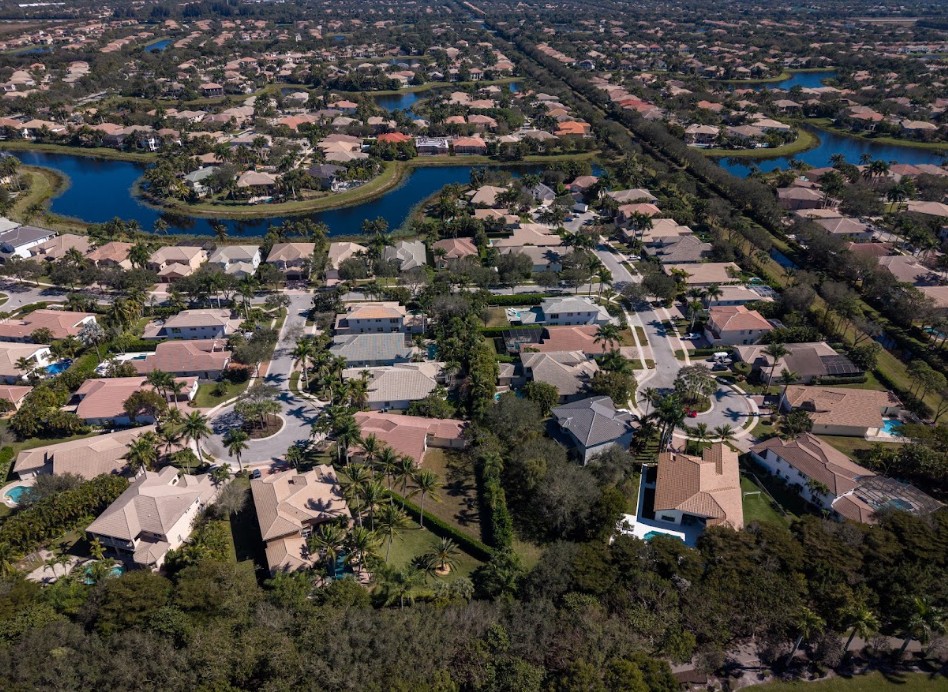
Signs of Roof Damage That Require Immediate Attention
Your roof protects your home from the elements, and in Florida, it faces unique challenges. High humidity, heavy rain, strong winds, and intense sun all take a toll over time. While some roofing issues develop slowly, others can become emergencies if not addressed promptly. Knowing the warning signs of serious roof damage can save you from costly repairs and prevent damage to your home’s interior.
Missing or Damaged Shingles
One of the most obvious indicators of roof damage is missing or damaged shingles. Shingles can crack, curl, or come loose after storms or from prolonged sun exposure. Missing shingles leave your roof vulnerable to water infiltration, which can quickly lead to leaks and rot. If you notice shingles that are cracked, warped, or falling off, schedule an inspection as soon as possible. Even small gaps can lead to significant damage in a short period.
Leaks and Water Stains
Water stains on ceilings or walls are a clear warning that your roof is compromised. Leaks may start small and only appear during heavy rain, but over time they can weaken the structure of your home. Mold and mildew often develop where water collects, which can create health risks in addition to structural problems. If you spot discoloration on interior walls, bubbling paint, or damp spots in the attic, call a professional roofing company immediately.
Sagging Roof Deck
A sagging roof is an urgent problem that requires immediate attention. It often indicates serious structural issues, such as water damage, weakened rafters, or deteriorated decking. This can compromise the overall safety of your home. A sagging section may appear as a dip in the roofline or uneven spots on the ceiling inside. If you notice any sagging, do not delay—this is a sign that your roof could fail.
Granule Loss on Asphalt Shingles
Asphalt shingles contain granules that protect them from UV rays and provide durability. If you notice excessive granules in gutters or downspouts, it could mean your shingles are deteriorating. Granule loss reduces the shingle’s ability to protect your roof and can accelerate leaks and other damage. Checking your gutters after storms is an easy way to monitor this type of wear.
Damaged Flashing
Flashing is the material used to seal areas around chimneys, vents, and skylights. When flashing becomes loose, cracked, or rusted, it can allow water to seep into the roof and cause leaks. Flashing damage is often difficult to spot without a professional inspection, but signs like water around vents or chimneys can indicate a problem. Repairing flashing promptly is critical to prevent more extensive water damage.
Cracked or Broken Tiles
Tile roofs are common in Florida due to their durability, but tiles can crack or break under impact from hail, falling branches, or foot traffic. Even a single broken tile can let water reach the underlayment and decking, leading to rot and leaks. Replace broken tiles immediately to avoid larger repairs down the line. Regularly walking on tile roofs should be avoided, but routine inspections after storms can catch problems early.
Condensation and Moisture Concerns
While ice dams are rare in Florida, prolonged water exposure from leaks or condensation in attics can create serious issues. Moisture accumulation can warp roof decking, damage insulation, and encourage mold growth. Proper attic ventilation and insulation are essential in Florida’s humid climate to prevent these issues. If you notice a persistent musty smell or visible mold in your attic, it may indicate hidden roof damage.
Cracks in the Roof Surface
Cracks or splits in roofing materials can let water penetrate and damage the structure beneath. These can occur in shingles, tiles, or metal panels. Cracks often worsen over time due to thermal expansion and contraction, especially in Florida’s heat. Small cracks may seem minor but can expand quickly. Addressing them early prevents more severe leaks and structural damage.
Blistering or Buckling Shingles
Blistering or buckling shingles occur when moisture gets trapped beneath the surface or the roof experiences uneven heat exposure. Blisters look like raised bubbles on the shingles, while buckling shingles appear wavy. Both conditions reduce the effectiveness of the roof and can lead to leaks if not repaired promptly.
Signs of Storm Damage
Florida experiences frequent storms, and high winds or hail can cause immediate roof damage. After a storm, look for loose or missing shingles, dented metal flashing, or punctured tiles. Debris on the roof can also create new damage if left unattended. Immediate inspection after severe weather ensures problems are identified before they worsen.
Moss, Algae, and Vegetation Growth
Moss and algae may seem harmless, but they indicate moisture retention on your roof. Persistent growth can damage shingles, lead to rot, and accelerate deterioration. Roofs in shaded or humid areas are particularly susceptible. Removing moss and treating affected areas is important to preserve the integrity of your roofing materials.
Delayed Repairs Increase Costs
Ignoring any of these warning signs can result in more extensive damage. A minor leak today can turn into a full-scale water intrusion tomorrow. Small repairs are much more affordable than major roof replacement or interior damage restoration. Prompt action preserves your roof’s lifespan and protects your home’s value.
Professional Roof Inspection Is Key
Homeowners may not be able to safely identify every problem. Many roofing issues are hidden from view, especially in attics or under shingles. A professional roofing contractor can conduct a thorough inspection, assess damage, and recommend necessary repairs. In Florida, regular inspections after storms or every few years are a smart investment.
Preventive Maintenance Reduces Emergencies
Regular roof maintenance, including cleaning gutters, trimming overhanging branches, and checking for minor damage, can prevent emergencies. Preventive measures extend the life of your roof and reduce the likelihood of unexpected leaks or structural issues.
Conclusion
Recognizing the signs of roof damage and taking immediate action is essential for Florida homeowners. Missing shingles, leaks, sagging, broken tiles, and flashing issues are just a few of the indicators that require prompt attention. Ignoring these problems can lead to costly repairs and compromise the safety of your home. Routine inspections, timely repairs, and preventive maintenance are the best ways to protect your investment and ensure your roof continues to provide reliable protection for years to come.

Written by
Dante Weston
Owner at SK Quality Roofing, Dante Weston brings extensive experience in residential and commercial roofing. He is passionate about helping homeowners and businesses protect their properties with quality roofing solutions and practical maintenance advice. Dante provides useful tips, guidance, and insights to help readers make informed decisions about roofing projects and upkeep.

Recent Posts
What to Expect During a Full Roof Replacement in Greenacres
October 20, 2026
Roof Replacement: A Step-by-Step Overview in West Palm Beach
October 19, 2026