How Long Does a New Roof Installation Last?
Replacing your roof is a major investment, and one of the most common questions homeowners ask is how long a new roof will last. The answer is not a simple number because a roof’s lifespan depends on several factors, including the materials used, the quality of installation, the local climate, and ongoing maintenance. Understanding these factors can help you plan for the future and protect your home.
Factors That Influence Roof Longevity
Not all roofs are created equal. The type of material you choose has a significant impact on how long your roof will last. Asphalt shingles are the most common roofing material in Florida due to their affordability and ease of installation. Standard asphalt shingles typically last 15 to 20 years, while higher-end architectural shingles can last 25 to 30 years.
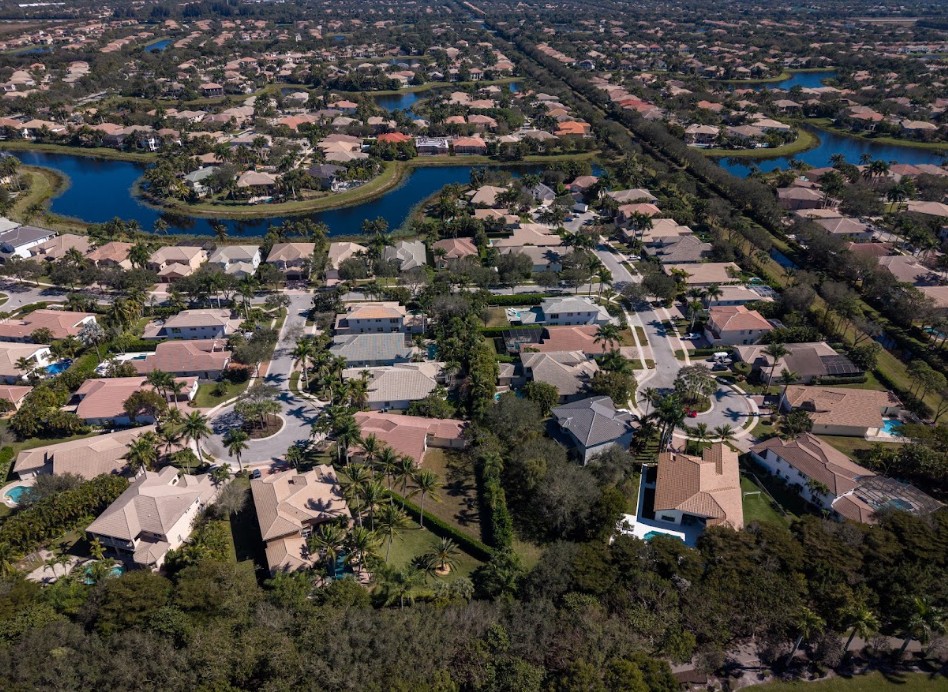
Metal roofing has gained popularity for its durability and energy efficiency. Depending on the type of metal and the coating used, a metal roof can last 40 to 70 years. Tile roofs, including clay and concrete tiles, are also very durable and can last 50 years or more if properly maintained. Slate roofs are the longest-lasting option, with a potential lifespan of over 100 years, though the initial cost is significantly higher.
Beyond the material, the quality of installation is critical. Even the best roofing materials can fail prematurely if they are not installed correctly. Poorly installed flashing, underlayment, or fasteners can lead to leaks, water damage, and structural problems. Hiring an experienced, licensed roofing contractor ensures that your new roof will perform as intended.
The Florida Climate and Its Impact on Roofs
Florida’s climate presents unique challenges for roofs. High humidity, heavy rainfall, strong winds, and intense sunlight can all take a toll over time. Hurricanes and tropical storms can cause significant damage, especially to roofs that are already aging or were improperly installed. Salt air in coastal areas can also contribute to corrosion in metal roofs.
Proper ventilation and insulation can help extend a roof’s lifespan in Florida. A well-ventilated attic prevents heat buildup and reduces the risk of moisture-related issues such as mold and rot. Insulation helps maintain consistent indoor temperatures and decreases stress on roofing materials caused by thermal expansion and contraction.
Maintenance and Regular Inspections
Routine maintenance is another key factor in how long a roof will last. Regular inspections allow you to catch minor issues before they become major problems. After heavy storms, it’s important to check for loose or missing shingles, damaged flashing, or signs of leaks. Cleaning gutters and downspouts prevents water from backing up under the roof and causing damage.
Some homeowners may also benefit from applying protective coatings or sealants, particularly on flat or low-slope roofs. These coatings can extend the life of the roof by adding a layer of protection against UV rays, water penetration, and algae growth.
Signs Your Roof May Need Early Replacement
Even with proper care, a roof may need replacement sooner than expected. Common signs of wear include curling or missing shingles, leaks inside the home, sagging areas, and visible damage after storms. If you notice any of these issues, it’s best to consult a professional roofing contractor. Early intervention can prevent more extensive damage and preserve the value of your home.
Making the Most of Your Investment
A new roof is a long-term investment in your home. Choosing durable materials, hiring experienced contractors, and keeping up with maintenance can significantly increase your roof’s lifespan. While the average lifespan of roofing materials varies, most Florida homeowners can expect at least 20 to 30 years of protection from a properly installed roof with regular upkeep.
Planning for eventual replacement is also wise. Even the longest-lasting roofs will eventually need to be replaced. Understanding your roof’s expected lifespan allows you to budget for future repairs or replacement and avoid unexpected expenses.
Conclusion
The lifespan of a new roof depends on several factors, including material type, installation quality, climate, and maintenance. In Florida, the harsh sun, frequent storms, and high humidity make it especially important to choose quality materials and invest in professional installation. Regular inspections and maintenance will help your roof reach its full potential, providing protection and peace of mind for many years.
By understanding the factors that affect roof longevity, homeowners can make informed decisions and maximize the value of their investment. Whether you are installing asphalt shingles, metal panels, or clay tiles, the right choices today will keep your home safe and secure tomorrow.

Written by
Dante Weston
Owner at SK Quality Roofing, Dante Weston brings extensive experience in residential and commercial roofing. He is passionate about helping homeowners and businesses protect their properties with quality roofing solutions and practical maintenance advice. Dante provides useful tips, guidance, and insights to help readers make informed decisions about roofing projects and upkeep.

Recent Posts
What to Expect During a Full Roof Replacement in Greenacres
October 20, 2026
Roof Replacement: A Step-by-Step Overview in West Palm Beach
October 19, 2026