Comparing Shingle, Metal, and Tile Roof Replacement Options
Replacing a roof is a major decision for homeowners, especially those dealing with Florida’s extreme weather. The state’s weather conditions, including high humidity, heavy rainfall, and strong winds, make it important to select roofing materials that can stand up to the elements. Three of the most common options for roof replacement are asphalt shingles, metal roofing, and tile. Each has unique benefits, costs, and maintenance needs. Understanding these factors can help homeowners make a decision that fits their budget and long-term goals.
Asphalt Shingle Roofs
Asphalt shingles are the most widely used roofing material in the United States, and for good reason. They are affordable, easy to install, and come in a variety of colors and styles. In Florida, asphalt shingles are a practical choice for many homes because they perform reasonably well under sun and rain.
Cost and Installation
The cost of asphalt shingles is generally lower than other roofing materials, making them a popular choice for homeowners on a budget. Installation is relatively quick, which can reduce labor costs. Most asphalt shingle roofs last between 15 and 25 years, depending on the quality of the shingles and the installation.
Durability and Maintenance
While asphalt shingles are durable, they can be susceptible to damage from high winds and severe storms. Florida’s hurricane season can be especially harsh on shingle roofs. Homeowners should inspect their shingles regularly for signs of wear, such as curling, cracking, or missing pieces. Routine maintenance, including cleaning gutters and replacing damaged shingles, can extend the life of the roof.
Energy Efficiency
Standard asphalt shingles can absorb heat, which may increase cooling costs during Florida’s hot summers. Reflective or “cool” shingles are available to help reduce heat absorption and lower energy bills.
Metal Roofs
Metal roofing is growing in popularity, especially in areas prone to hurricanes and heavy rainfall. Metal roofs are available in panels or shingles made from steel, aluminum, copper, or zinc. They offer a modern look and superior protection against the elements.
Cost and Installation
Metal roofs are more expensive upfront than asphalt shingles, with costs varying based on the type of metal and the complexity of the roof design. Installation is more labor-intensive and requires specialized tools, which can increase the overall expense. Despite the higher initial cost, metal roofs can last 40 to 70 years with proper care, making them a long-term investment.
Durability and Maintenance
Metal roofs are extremely durable. They resist wind, rain, and even fire. In Florida, where hurricanes are a concern, metal roofs can offer peace of mind because they are less likely to be damaged compared to shingles. Metal roofing requires minimal maintenance. Regular inspections for loose panels or rust spots are recommended, but overall, these roofs are low-maintenance.
Energy Efficiency
Metal reflects sunlight instead of absorbing it, which can help reduce cooling costs during the hot summer months. Some metal roofing systems also allow for additional insulation or ventilation options to further improve energy efficiency.
Tile Roofs
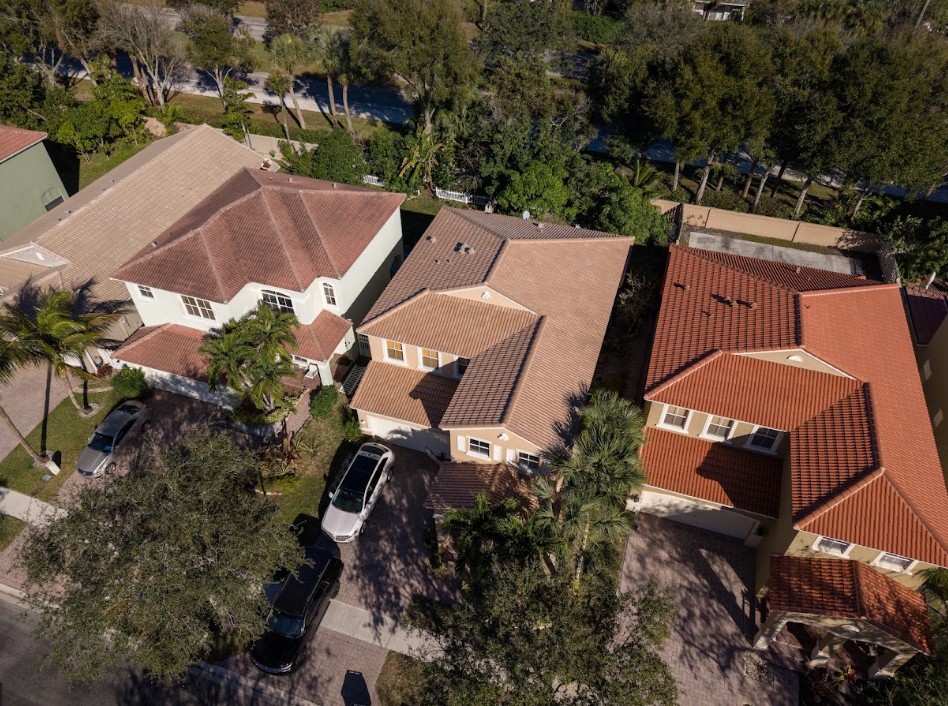
Tile roofs, often made from clay or concrete, are a common choice in Florida for their durability and aesthetic appeal. They provide a classic look and are especially popular for Mediterranean or Spanish-style homes.
Cost and Installation
Tile roofs are more expensive than asphalt shingles and can be comparable to or slightly less than high-end metal roofing. Installation requires skilled labor because tiles are heavy and need to be carefully positioned. Proper installation is critical to prevent leaks and ensure longevity. A well-installed tile roof can last 50 years or more.
Durability and Maintenance
Tile roofs are extremely durable. They can withstand heavy rain, high winds, and sun exposure without significant damage. They are also fire-resistant. One potential issue is that individual tiles can crack or break, especially if walked on. Regular inspections are necessary to replace damaged tiles and prevent water infiltration.
Energy Efficiency
Tile roofs naturally provide better insulation than asphalt shingles or metal. Clay and concrete tiles create air pockets that help regulate indoor temperatures, keeping homes cooler in the summer and warmer in the winter. This can reduce reliance on air conditioning and help lower energy bills.
Factors to Consider When Choosing a Roof
When deciding between shingle, metal, and tile roofing, homeowners should consider several factors beyond just cost and appearance.
- Climate Resilience – Florida’s climate presents unique challenges. High humidity, heavy rainfall, strong winds, and the potential for hurricanes make durability a key concern. Metal and tile roofs generally perform better than asphalt shingles during extreme weather events.
- Budget – Initial cost is an important factor. Asphalt shingles are the most budget-friendly, while tile and metal roofs require a larger upfront investment. The longevity of metal and tile roofs can offset higher initial costs over time.
- Aesthetics – Homeowners should consider the style of their home. Tile roofs offer a classic look, metal roofs provide a modern appearance, and asphalt shingles are versatile.
- Maintenance Requirements – Asphalt shingles require more frequent inspections and repairs, especially after storms. Metal roofs are low-maintenance but need occasional checks for corrosion or loose panels. Tile roofs require careful inspections to replace broken tiles but are otherwise durable.
- Energy Efficiency – Energy efficiency can affect long-term costs. Metal and tile roofs can help reduce cooling costs in Florida’s hot climate. Asphalt shingles, unless reflective, tend to absorb heat, which can increase energy bills.
Making the Right Choice
Choosing the right roof for your Florida home depends on balancing budget, durability, appearance, and energy efficiency. Asphalt shingles are ideal for homeowners seeking an affordable and flexible option. Metal roofing is best for those who want a long-lasting, low-maintenance roof with excellent storm resistance. Tile roofs are suitable for homeowners willing to invest more upfront for durability, aesthetics, and energy efficiency.
Consulting with a professional roofing contractor is essential. They can assess the condition of your existing roof, provide accurate cost estimates, and help you select a material that meets your home’s needs and long-term goals. Proper installation and maintenance are critical to ensuring that your roof lasts as long as possible and protects your home effectively.
Conclusion
Roof replacement is a significant investment; understanding the differences between asphalt shingles, metal, and tile helps simplify the decision-making process. Each option has unique benefits that cater to different budgets, lifestyles, and home styles. In Florida, where weather conditions can be extreme, choosing the right roofing material is not just about looks—it’s about protecting your home and ensuring peace of mind for years to come.

Written by
Dante Weston
Owner at SK Quality Roofing, Dante Weston brings extensive experience in residential and commercial roofing. He is passionate about helping homeowners and businesses protect their properties with quality roofing solutions and practical maintenance advice. Dante provides useful tips, guidance, and insights to help readers make informed decisions about roofing projects and upkeep.