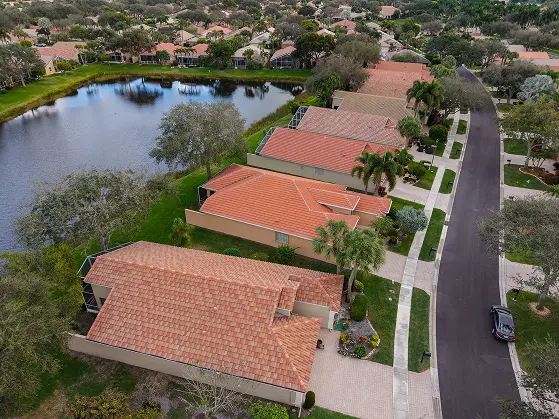
How to Finance a Roof Replacement
March 18, 2026
Replacing a roof is a major home improvement project. In Florida, where the weather can be harsh on homes, a durable roof is essential. However, roof replacement can be expensive, and not every homeowner can pay the full cost upfront. Fortunately, there are several options to finance a roof replacement that make the process manageable and stress-free. Understanding these options can help you plan your budget and protect your home.
The cost of a new roof depends on several factors. The size of your home, the type of materials used, the complexity of the roof design, and labor costs all play a role. In Florida, roofing costs can be higher due to hurricane-resistant materials and local building codes. On average, a complete roof replacement can range from $7,000 to $25,000 or more, depending on these factors.
Before exploring financing options, it’s important to get a clear estimate from a licensed roofing contractor. A detailed quote helps you understand the total cost and plan your financing accordingly. Some contractors also offer payment plans, which can make the process simpler.
Homeowners insurance can help cover roof replacement costs if the damage is caused by a covered peril. In Florida, this often includes damage from hurricanes, windstorms, or hail. However, insurance usually does not cover general wear and tear or roof aging.
To use insurance for your roof, you’ll need to file a claim and document the damage with photos and professional assessments. Your insurance company may send an adjuster to evaluate the damage. If the claim is approved, the insurance payout can cover part or all of the roof replacement, minus your deductible. Keep in mind that using insurance may increase your premiums, so weigh this option carefully.
A home equity loan allows you to borrow against the value of your home. It provides a lump sum that you repay over time with fixed interest. Home equity lines of credit (HELOCs) give you access to a revolving line of credit, which you can draw from as needed. Interest is only charged on the amount you use.
These options can be attractive because interest rates are usually lower than personal loans. Additionally, in some cases, the interest may be tax-deductible. However, both options use your home as collateral, so missing payments could put your property at risk. Be sure to compare terms and choose the one that fits your budget.
Personal loans are unsecured loans that can be used for almost anything, including roof replacement. They often have fixed repayment terms and fixed interest rates, making budgeting predictable. Since they are unsecured, you don’t risk losing your home if you miss a payment.
Interest rates for personal loans tend to be higher than home equity loans, especially for borrowers with lower credit scores. Loan amounts may also be lower than the total cost of a roof replacement, so personal loans are usually best for smaller projects or as a supplement to other financing options.
Some roofing companies offer in-house financing or partner with financial institutions to provide payment plans. These plans are designed specifically for roof replacement projects. They may include promotional rates, deferred payments, or low-interest options for a set period.
Contractor financing is convenient because it often requires less paperwork and faster approval than traditional loans. However, it’s important to read the terms carefully. Some plans may have high interest rates after the promotional period or strict penalties for late payments.
For smaller roof repairs or partial payments, credit cards can be an option. They offer quick access to funds and the ability to pay off the balance over time. Some credit cards have promotional 0% interest offers for new purchases, which can reduce costs if you pay the balance before the promotion ends.
Credit cards are generally not recommended for full roof replacements due to high interest rates if the balance is not paid in full. Use this option only if you have a solid plan to pay off the debt quickly.
In some cases, government programs can help cover roofing costs. Florida residents may qualify for disaster recovery grants or low-interest loans through FEMA or HUD. These programs are often available after major storms or for homeowners with limited income.
Eligibility requirements vary, and the application process can take time. Contact your local government offices or a licensed roofing contractor familiar with these programs to explore available options.
No matter which financing option you choose, it’s important to plan your budget carefully. Consider not only the loan or payment costs but also additional expenses like permit fees, inspections, and potential repairs. Having a clear understanding of your total costs helps prevent surprises and ensures you can make timely payments.
Creating a repayment plan that fits your monthly budget is crucial. Avoid borrowing more than you can comfortably repay. Roof replacement is an investment in your home, but financial stress can offset the benefits if not managed properly.
The best financing option depends on your financial situation, credit score, and the urgency of the roof replacement. Insurance claims are ideal for unexpected storm damage. Home equity loans or HELOCs work well for planned replacements when you have significant equity in your home. Personal loans or contractor financing can help those without sufficient equity.
Take time to research and compare interest rates, repayment terms, and fees. Speak with a financial advisor if needed, and always read the fine print. A carefully chosen financing option can make roof replacement manageable and protect both your home and your budget.
A new roof is a long-term investment that protects your home and adds value. Once your financing is in place, focus on maintaining the roof to extend its lifespan. Regular inspections, cleaning, and minor repairs can prevent costly issues down the road. Many roofing contractors offer maintenance plans that keep your roof in good condition and may even extend warranties.
Financing a roof replacement doesn’t have to be overwhelming. With the right approach, you can spread the cost over time while ensuring your home remains safe and weather-resistant. Understanding your options and planning carefully makes the process smoother and gives peace of mind.

Owner at SK Quality Roofing, Dante Weston brings experience and expertise in residential and commercial roofing. He is passionate about helping homeowners and businesses protect their properties with quality roofing solutions and practical maintenance advice. Dante provides useful tips, guidance, and insights to help readers make informed decisions about roofing projects and upkeep.

How to Finance a Roof Replacement
March 18, 2026

Roof Replacement Guide: Timing, Costs, and Considerations
March 11, 2026
Signs of Roof Damage That Require Immediate Attention
March 04, 2026