How Tile Roofing Performs in High-Wind Events in Boynton Beach
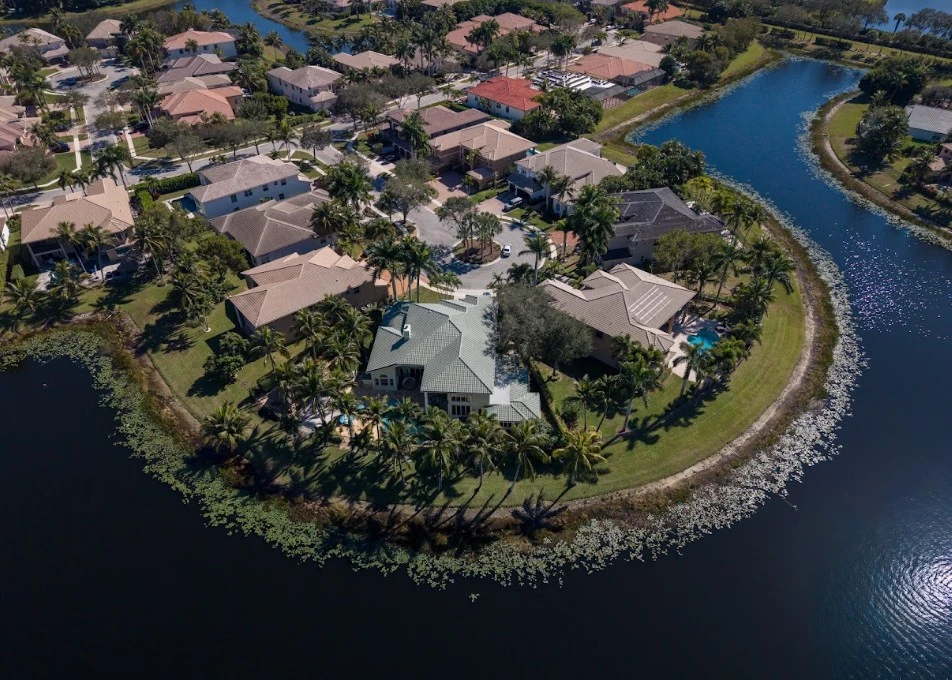
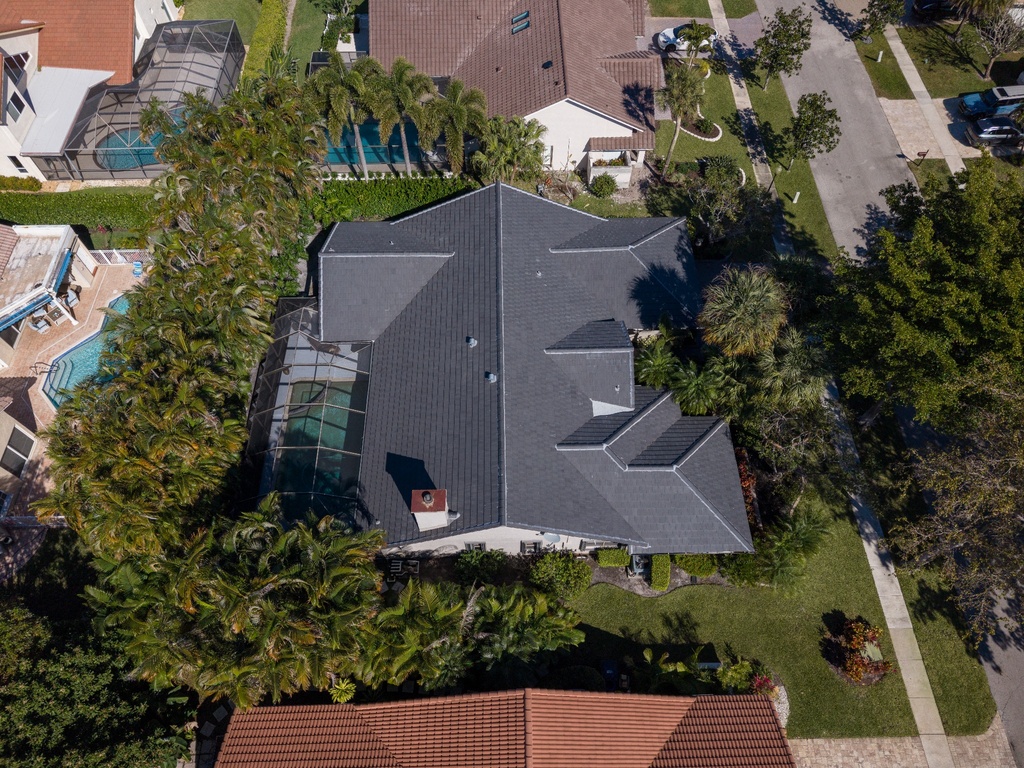
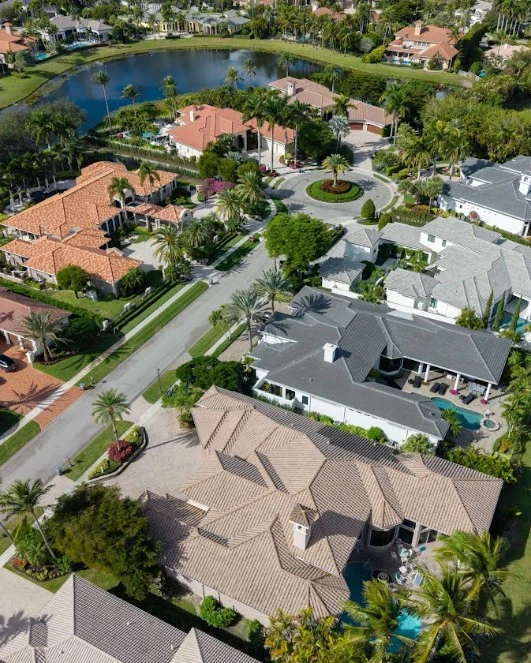
Boynton Beach homeowners with tile roofs are living with one of the most wind-resistant roofing systems available for South Florida’s climate, but that performance depends on specific installation details that are not automatic. Tile roofing’s wind resistance in Palm Beach County’s HVHZ environment is governed by how the tile is fastened, how the underlayment is installed, and how the deck is attached to the framing. A tile roof installed to current HVHZ standards behaves very differently under high-wind conditions than one installed to older standards or one where proper installation was not followed. Understanding how tile performance in wind events actually works helps Boynton Beach homeowners know what to look for in their existing roof and what to expect from a properly installed new one.
How Tile Generates Wind Resistance
Concrete and clay tile resist wind through a combination of their weight and their fastening system. The weight of tile, typically 9 to 12 pounds per square foot for concrete tile and 6 to 9 pounds for clay, provides inherent resistance to the uplift forces that wind generates on a roof surface. However, weight alone is insufficient for the wind speeds that Boynton Beach’s HVHZ design criteria anticipate. Tile fastening systems are required to provide mechanical resistance that supplements the weight component.
Under Florida’s HVHZ requirements, the fastening system for tile in Boynton Beach is specified in the tile product’s Florida Product Approval. Depending on the tile profile, the slope, and the wind zone, the approved installation may require mechanical fasteners such as screws through the tile into the deck, adhesive foam in specific application patterns, mortar in defined quantities and locations, or a combination of these methods. The Florida Product Approval specifies the minimum fastening that has been tested and demonstrated to resist the uplift forces at design wind speeds for HVHZ conditions.
The Ridge and Hip: Where Wind Damage Often Begins
Ridge and hip tile are consistently the most vulnerable locations on a tile roof during high-wind events in Boynton Beach. These tiles cap the highest points of the roof surface and are exposed to the highest wind uplift forces and the most direct wind pressure during a major storm. They are set in mortar beds or adhesive foam that, over time, deteriorates in South Florida’s UV and heat environment. A mortar bed that was fully sound when installed may have cracked, shrunk, and separated from the tile or the substrate after 10 to 15 years, leaving the ridge and hip tile with significantly reduced wind resistance.
In a high-wind event, the ridge and hip tile that have lost mortar bond become the first tiles to dislodge. Once ridge or hip tile is lost, the underlayment and deck beneath that location are directly exposed to driving rain, and the adjacent field tile may begin shifting without the structural support that properly secured ridge and hip tile provide. Pre-season inspection and mortar repair at ridge and hip locations is one of the most cost-effective wind preparedness steps available to Boynton Beach homeowners.
The Deck Attachment: The Foundation of System Performance
A tile roof’s wind performance under high-wind conditions ultimately depends on the deck attachment as much as on the tile fastening system above it. If the deck is not firmly attached to the framing with the nail size and pattern required by HVHZ standards, the entire roofing system, tile, underlayment, and deck can lift and separate during a major storm event, regardless of how well the tile is fastened to the deck. Current HVHZ standards require 8d ring-shank nails at 6-inch spacing for deck attachment in Palm Beach County, a significantly stronger standard than what was required when many Boynton Beach homes were originally constructed.
A new tile roof installation in Boynton Beach should include verification and, if necessary, re-nailing of the deck attachment to current HVHZ standards before the new tile is installed. This step is verified at the in-progress inspection under the permit. Homes that received a replacement roof installation without this step are operating with a tile fastening system that meets current standards attached to a deck that may not, which represents a structural weak link that high-wind conditions would expose.
What the Wind Mitigation Report Documents
After a tile roof replacement in Boynton Beach, the wind mitigation inspection documents the construction features that determine how the system performs in high-wind conditions: the deck attachment pattern and nail specification, the tile fastening method and its Florida Product Approval, and the presence of a secondary water resistance barrier in the underlayment. These features, documented by a licensed inspector and submitted to the insurance carrier, produce the wind premium credits that financially reward the homeowner for having a system with documented wind resistance capacity.
Frequently Asked Questions
What typically happens to tile roofs in Boynton Beach during a hurricane?
In moderate wind events, properly fastened tile roofs typically remain intact with minimal or no tile loss. In major hurricane events with sustained winds above design thresholds, some tile loss is common even on properly installed systems, as the design standards represent engineering thresholds rather than absolute limits. The difference between a properly HVHZ-compliant installation and one that is not is the difference between losing a small number of ridge tiles versus losing large sections of field tile and having significant structural exposure during the storm.
How can I tell if my Boynton Beach tile’s fastening system is still sound?
The fastening system itself is not directly visible from the exterior without lifting tile. Observable indicators of potential fastening compromise include any tile displacement or shifting visible from the ground, ridge, or hip tile that has visibly moved from its original position, and any tile that sounds hollow when tapped during a professional inspection compared to a solid sound from properly secured tile. A professional inspection before each storm season is the most reliable evaluation method.
Should I use mortar or adhesive foam for ridge and hip tile in my Boynton Beach replacement?
Both mortar and adhesive foam are available in HVHZ-approved configurations for ridge and hip tile applications. Adhesive foam that meets Florida Product Approval requirements has become increasingly common in HVHZ applications because it maintains its bond properties longer than traditional mortar in South Florida’s UV and heat environment. Ask your contractor about the Florida Product Approval for whichever fastening method they propose for ridge and hip tile, and confirm that it meets the requirements of the tile product’s own Florida Product Approval.
Is tile roofing better than shingles for wind resistance in Boynton Beach?
Both tile and shingles, when properly installed to HVHZ standards using products with appropriate Florida Product Approvals, can achieve strong wind resistance performance in Boynton Beach. The wind resistance is a function of the installation method and product specifications more than the material category. Tile’s weight provides some additional resistance to lightweight uplift forces, but HVHZ-compliant shingle systems with proper fastening can achieve comparable wind resistance ratings to tile systems under the Florida Product Approval framework.
After a hurricane, how do I assess whether my Boynton Beach tile roof needs professional evaluation?
Any visible tile displacement, gaps at the ridge or hip, or debris impact visible from the ground warrants a professional assessment. An interior ceiling inspection for any new staining after the storm should also be performed. Even if no symptoms are visible from the ground or interior, a post-storm professional evaluation is worthwhile after any storm event that produced sustained winds above 50 mph in Boynton Beach, since some forms of tile shifting and minor underlayment stress are not visible without closer examination.
Understand What Protects Your Home in a Storm
SK Quality Roofing has been serving South Florida homeowners since 1982, with more than 14,000 residential projects completed across Broward and Palm Beach County. For tile roof assessment and replacement in Boynton Beach, contact SK Quality Roofing at 954-754-5849 or reach out through our contact page to schedule a free evaluation.

Written by
Dante Weston
Owner at SK Quality Roofing, Dante Weston brings experience and expertise in residential and commercial roofing. He is passionate about helping homeowners and businesses protect their properties with quality roofing solutions and practical maintenance advice. Dante provides useful tips, guidance, and insights to help readers make informed decisions about roofing projects and upkeep.