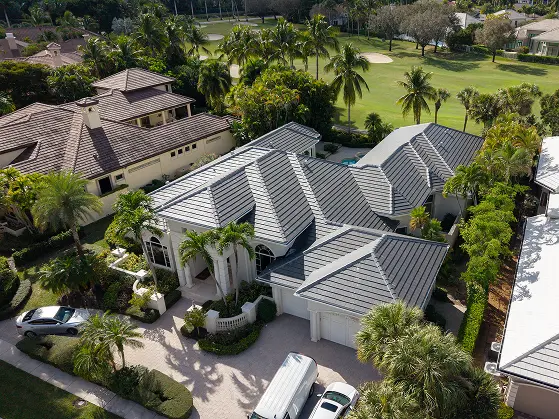
Roof Replacement Guide: Timing, Costs, and Considerations
March 11, 2026
Florida’s hot and humid climate makes energy efficiency a top priority for homeowners. One of the most effective ways to reduce energy costs and keep your home comfortable year-round is through your roofing choice. A roof that reflects sunlight, insulates well, and withstands Florida’s weather can make a big difference. Let’s look at practical roofing options that help Florida residents save energy without sacrificing durability or style.
The Sunshine State is known for its intense sun and high temperatures. Cooling your home can account for a large portion of your electricity bill. An energy-efficient roof reduces heat absorption, which lowers the temperature inside your home. This means your air conditioner doesn’t have to work as hard, saving money and reducing wear on your HVAC system.
Additionally, energy-efficient roofing contributes to environmental benefits. By reducing your home’s energy demand, you lower your carbon footprint. With Florida’s focus on sustainability, investing in a roof that improves efficiency aligns well with long-term goals.
One popular approach is installing a cool roof. Cool roofs are designed with materials that reflect more sunlight and absorb less heat compared to traditional roofing. This usually means lighter colors or reflective coatings.
For example, white or light-colored metal roofs are excellent at bouncing back sunlight. These roofs can reduce roof surface temperatures by up to 50 degrees compared to darker materials. Asphalt shingles are also available in reflective varieties, though their performance is generally lower than metal or tile.
Cool roofs are a straightforward upgrade. They lower the heat load on your home and improve indoor comfort. They also tend to have long lifespans, especially metal roofs, which can last 40 to 70 years.
Florida’s architectural style often includes clay or concrete tile roofs. Beyond their aesthetic appeal, these tiles offer natural thermal benefits. Their shape creates air gaps that act as insulation, slowing heat transfer into the home.
Clay and concrete tiles have thermal mass, meaning they absorb heat during the day and release it slowly at night. This process helps moderate indoor temperatures. While the tiles themselves might heat up, the insulation and ventilation underneath prevent much of that heat from penetrating into living spaces.
Tile roofs are durable and resistant to Florida’s storms. They typically last 50 years or more with proper maintenance, making them a smart long-term investment.
Metal roofing is gaining popularity in Florida due to its energy efficiency and resilience. Metal panels reflect solar radiant heat, reducing cooling costs by 10 to 25%. When coated with reflective paint, metal roofs perform even better.
Besides reflecting heat, metal roofs are highly durable against wind and rain. This makes them an excellent choice for hurricane-prone areas. Metal roofs are also lightweight compared to tile, putting less stress on your home’s structure.
While metal roofs can have a higher upfront cost, their longevity and energy savings often offset the initial investment. Plus, many insurers offer discounts for metal roofs due to their impact resistance.
Even the best roofing material won’t perform optimally without proper insulation and ventilation. In Florida’s humid environment, ventilation helps remove trapped hot air from your attic. This keeps temperatures down and prevents moisture buildup, which can cause mold and rot.
Attic insulation reduces heat transfer from the roof to the living areas below. Common insulation options include fiberglass batts, spray foam, and cellulose. The right insulation can improve energy efficiency significantly.
Combining energy-efficient roofing materials with attic ventilation and insulation creates a system that works together to keep your home cooler and reduce energy bills.
Green roofs, though less common in Florida, are worth mentioning. These are roofs partially or fully covered with vegetation. Green roofs provide excellent insulation and reduce heat absorption by shading the surface.
They also improve stormwater management by absorbing rainwater and reducing runoff. However, green roofs require a sturdy structure to support the weight of soil and plants, as well as maintenance.
If you’re interested in sustainable living and want to explore options beyond traditional roofing, green roofs offer unique benefits.
Installing solar panels on your roof is another way to increase energy efficiency. While not a roofing material, solar panels can work in tandem with energy-efficient roofing to reduce or eliminate electricity bills.
Florida has plenty of sunshine to make solar a viable choice. Solar panels absorb sunlight and convert it into electricity, reducing your dependence on the grid. Pairing solar with a reflective roof can keep panels cooler and more efficient.
Before installing solar panels, ensure your roof is in good condition and can support the added weight.
Maintaining your roof helps sustain its energy-efficient properties. Dirt, debris, and algae growth on reflective roofs can reduce their ability to reflect sunlight. Regular cleaning and inspections help keep your roof performing at its best.
Inspect your roof for damage after storms. Missing or broken shingles, cracked tiles, or rust spots on metal can compromise insulation and increase heat gain.
Routine maintenance also extends the life of your roof, protecting your investment.
Selecting an energy-efficient roof depends on your budget, style preferences, and home’s structure. Consulting with a local roofing professional can help you weigh the benefits of each option based on Florida’s climate and building codes.
Keep in mind the importance of installation quality. Even the best materials won’t perform well if installed improperly.
In Florida, an energy-efficient roof is more than just a trend — it’s a practical choice. Whether you opt for a cool reflective roof, natural tile insulation, metal durability, or even a green roof, your decision impacts your comfort and energy costs.
Combining efficient roofing materials with proper attic insulation and ventilation maximizes benefits. Adding solar panels can further reduce energy expenses.
Investing in the right roof today saves money and hassle tomorrow. If you’re ready to upgrade or install a new roof, seek advice from professionals who understand Florida’s unique needs.
Smart roofing protects your home, your wallet, and the environment. It’s a solid step toward a more energy-conscious lifestyle in the Sunshine State.

Owner at SK Quality Roofing, Dante Weston brings experience and expertise in residential and commercial roofing. He is passionate about helping homeowners and businesses protect their properties with quality roofing solutions and practical maintenance advice. Dante provides useful tips, guidance, and insights to help readers make informed decisions about roofing projects and upkeep.

Roof Replacement Guide: Timing, Costs, and Considerations
March 11, 2026
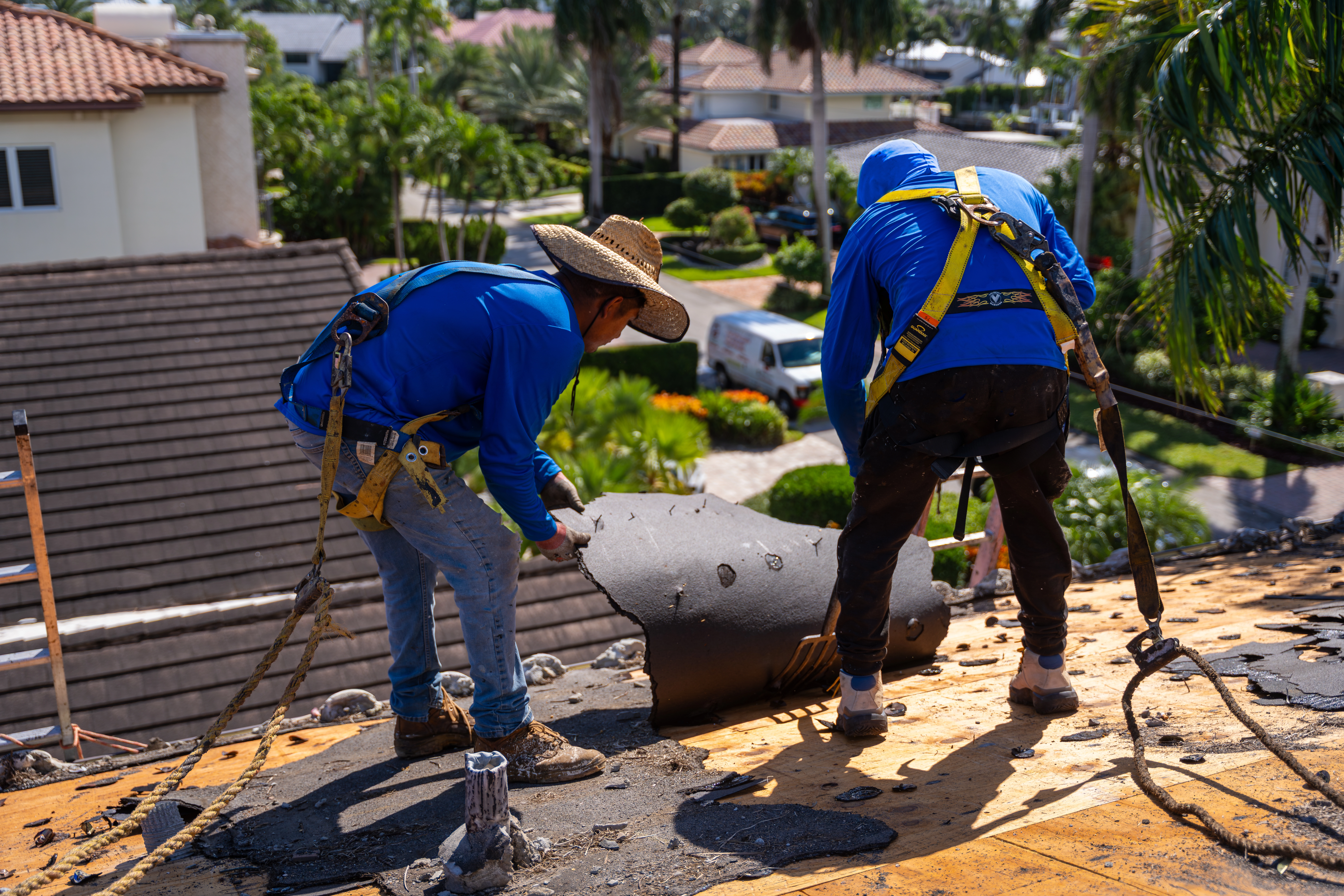
Signs of Roof Damage That Require Immediate Attention
March 04, 2026
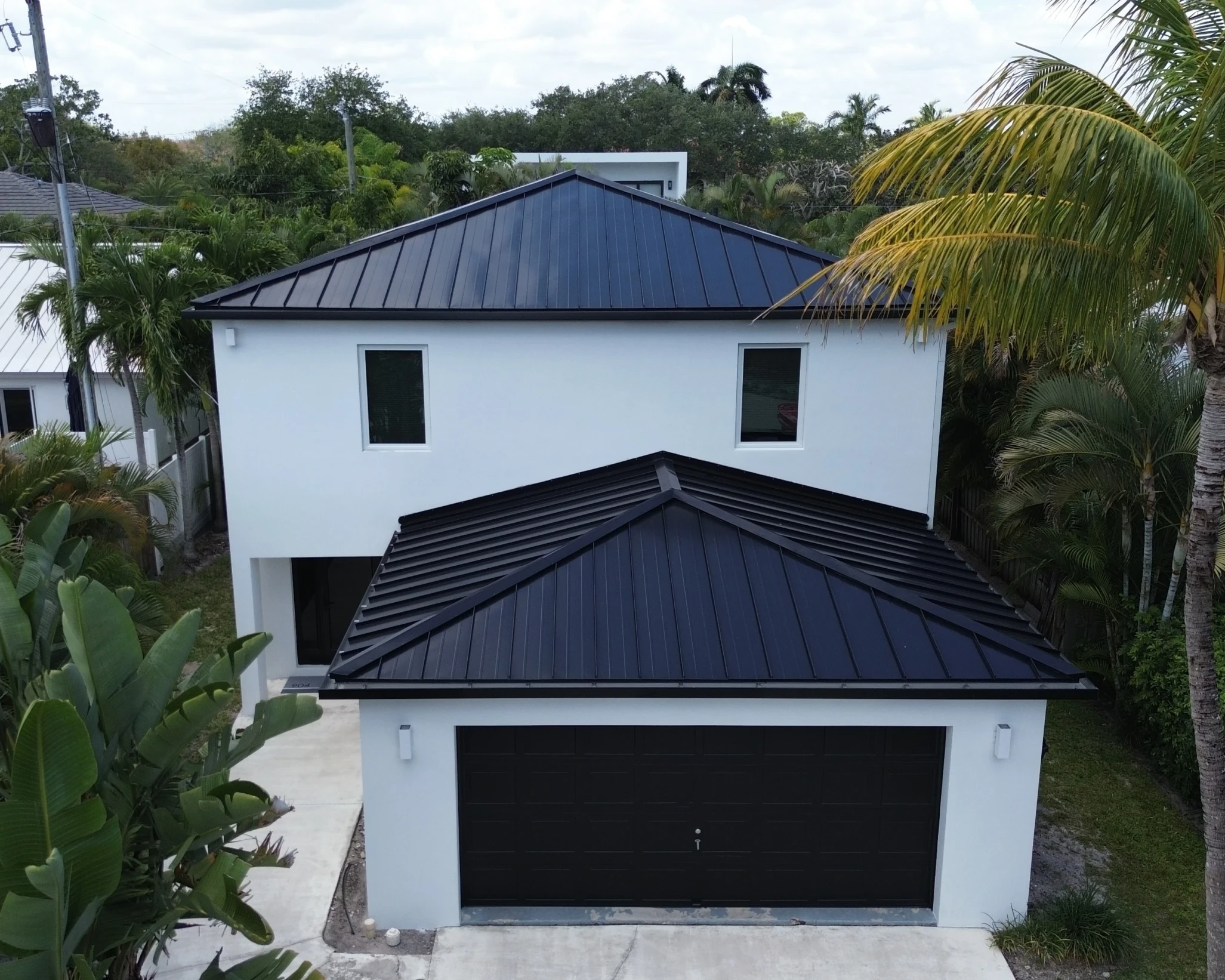
Metal Roof Repair: Common Issues and Solutions
February 25, 2026