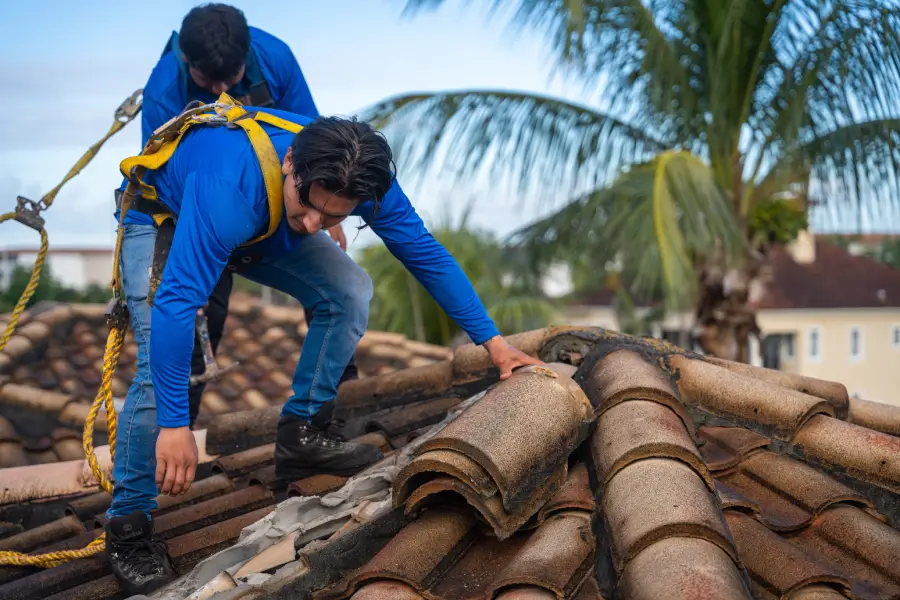
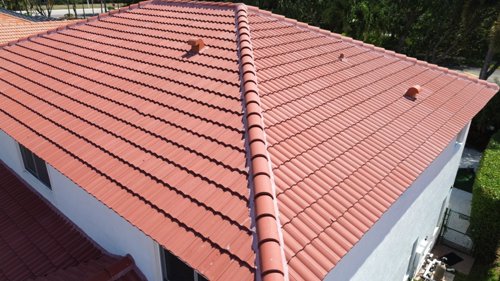
Lake Ida is known for its established neighborhoods, wide streets, and mature trees that create a shaded, residential environment. While this greenery adds to the appeal of the area, it also has a direct impact on how roofing systems perform over time. In Lake Ida, roofs often age differently compared to homes in newer communities with minimal landscaping. At SK Quality Roofing, Dante Weston and Robert Brady regularly work with homeowners in tree-dense areas to address these challenges. For Lake Ida homes with older roof systems, our complete roof replacement service includes deck inspection, tree-damage remediation, and material upgrades to today’s wind-resistance standards. Dante Weston focuses on how environmental factors affect the roofing system as a whole, while Robert Brady identifies the physical effects of tree coverage during inspections and maintenance.
Why Tree Density Is Higher in Lake Ida
Many homes in Lake Ida were built decades ago, long before modern development trends favored open lots. Over time, trees such as oak, banyan, and palm have grown significantly, with branches often extending over rooftops. Robert often sees how these overhanging canopies create conditions that differ from nearby areas like Lake Ida East or more recently developed parts of Delray Beach. Dante evaluates how this density influences long-term roof performance, particularly in terms of moisture retention and debris accumulation. This level of tree coverage creates a unique roofing environment.
Shade Reduces Heat but Increases Moisture Exposure
One benefit of heavy shade is reduced sun exposure. Roofs in Lake Ida may experience less thermal expansion, which can slow the breakdown of certain materials. However, Robert frequently points out that shaded areas tend to stay damp longer after rain or morning dew. Dante considers how this prolonged moisture affects the roofing system. Over time, it can contribute to algae growth, surface wear, and gradual material deterioration. This balance between reduced heat and increased moisture is a defining factor in how roofs age in this neighborhood.
Debris Buildup Is an Ongoing Issue
Tree-lined properties naturally collect more debris. Leaves, twigs, and seed pods regularly accumulate on roof surfaces throughout the year.
Robert often clears debris from valleys and around roof penetrations, where buildup can trap moisture against the surface. Dante evaluates how this affects the system, noting that consistent exposure to trapped moisture can weaken materials and create potential entry points for water. Gutters are also affected. When clogged, they prevent proper drainage and allow water to back up under the roof edge. Regular clearing is essential in this environment.
Algae Growth and Uneven Roof Appearance
Algae staining is common in shaded areas of Lake Ida. Black streaks often appear on sections of the roof that receive less sunlight. Robert sees how this staining can develop unevenly, with one side of the roof aging differently from the other. Dante considers how this impacts both appearance and material performance. While algae may not immediately cause structural issues, it contributes to moisture retention and surface wear. This makes it more difficult for homeowners to assess roof condition without a detailed inspection.
Branch Contact Causes Gradual Wear
Branches that hang over a roof can cause ongoing friction during normal wind conditions. This contact may not seem significant at first, but it can gradually wear down protective layers. Robert often identifies areas where granules have been worn away due to repeated branch contact. Dante evaluates how this type of wear reduces the roof’s resistance to water over time. Trimming branches is not just about preventing storm damage. It also helps preserve the integrity of roofing materials.
Storm Season Increases Tree-Related Risks
During storm season, the presence of large trees adds another layer of risk. High winds can cause branches to break or strike the roof repeatedly. Robert has seen how even minor impacts can crack shingles or damage flashing. Dante considers how these conditions interact with existing wear, making already vulnerable areas more likely to fail. Preparing the roof before storm season helps reduce these risks.
Maintenance Needs Are Higher in Shaded Areas
Homes in Lake Ida typically require more frequent roof maintenance than those in less vegetated areas. Annual inspections may not be enough, especially for older roofs. Robert recommends checking roofs at least twice a year, particularly for homes with heavy tree coverage. This includes clearing debris, inspecting flashing, and evaluating shaded sections where moisture tends to linger. Dante views maintenance as a long-term strategy that helps extend roof life and prevent unexpected issues.
Material Selection Matters in Tree-Dense Neighborhoods
Not all roofing materials perform equally well under heavy tree coverage. In Lake Ida, materials that resist algae growth and handle moisture effectively tend to perform better.
Robert often recommends options designed for humid environments, such as algae-resistant shingles. Dante evaluates how different materials perform as part of the overall system, considering both durability and maintenance requirements. Choosing the right material can reduce long-term upkeep.
Why Local Experience Makes a Difference
Roofing in Lake Ida is shaped by environmental factors that are not always obvious. For established Lake Ida homes that are due for a major upgrade, a tile roof replacement delivers timeless curb appeal and decades of service life. Contractors unfamiliar with the area may overlook how tree coverage affects roof performance.
SK Quality Roofing has been serving South Florida since 1982, working with more than 14,000 homeowners. Dante Weston brings a system-focused approach that accounts for environmental conditions, while Robert Brady applies hands-on expertise to identify and address issues caused by tree exposure.
This experience leads to more accurate assessments and practical solutions.
Protect Your Roof While Preserving Lake Ida’s Character
The trees in Lake Ida are part of what makes the neighborhood unique. Removing them entirely is rarely the goal. Instead, homeowners benefit from a balanced approach that includes regular maintenance, strategic trimming, and informed material selection.
SK Quality Roofing helps homeowners protect their roofs while maintaining the natural character of the area. Dante Weston and Robert Brady work together to ensure that roofing systems perform reliably in this tree-dense environment. Taking a proactive approach helps extend roof lifespan, reduce repair costs, and keep your home protected year-round.