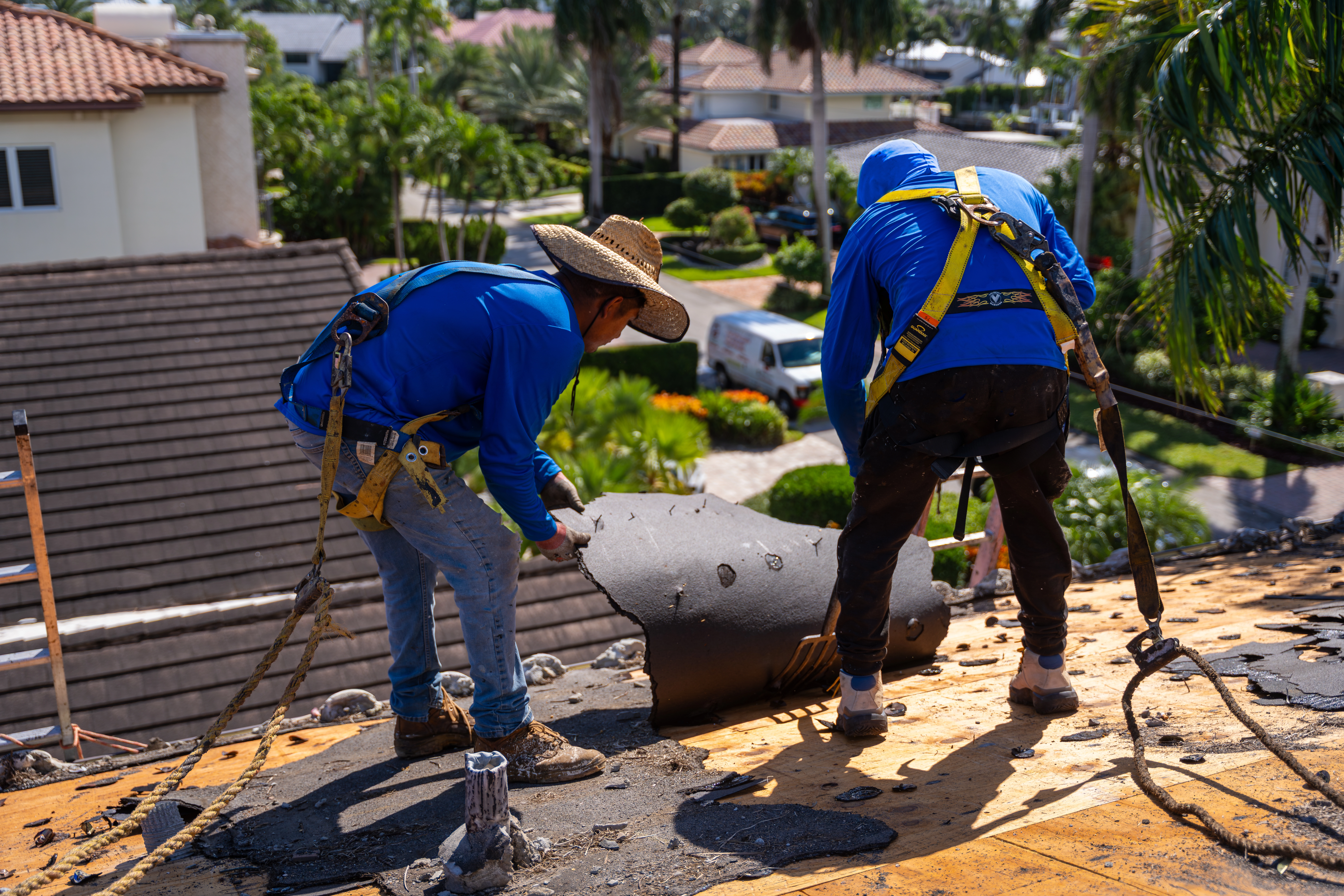
Is Your Roof Leaking? Here’s What to Do Immediately
A leaking roof is a serious problem, especially in Florida where heavy rains and storms are common. If you notice water spots on your ceiling, damp walls, or hear dripping sounds during a rainstorm, your roof might be letting water in. Acting quickly can prevent further damage to your home and avoid costly repairs. Here’s a straightforward guide on what to do when you suspect your roof is leaking.
Recognize the Early Warning Signs
Sometimes, a roof leak doesn’t announce itself loudly. Small stains on the ceiling or walls, musty smells, or peeling paint can all be subtle hints. In other cases, you might notice water dripping directly inside during a rainstorm. Pay attention to these clues:
- Water stains or discoloration on ceilings or walls
- Damp or moldy spots in the attic or around roof vents
- Missing, cracked, or curling shingles on the roof
- Dripping sounds or visible water inside the home during rainfall
The sooner you catch these signs, the easier it will be to fix the problem.
Step One Make the Area Safe
If you see water pooling on your ceiling, the first thing to do is protect your home and family. Move furniture, electronics, and valuables out of the way. Place buckets or containers under the leaks to catch water. If the leak is severe and water is pouring in, try to contain it without risking injury. Avoid standing water on floors that could cause slips or electrical hazards.
Step Two Identify the Leak Source
Finding the exact spot where water is entering can be tricky. Often, water travels along rafters or walls before showing up inside. You can inspect your attic during daylight after a rainstorm for damp spots or dripping water. Look around vents, chimneys, skylights, and roof valleys — these areas are common weak points.
If you’re comfortable with heights and roofing basics, a safe roof inspection might help you spot missing shingles or damaged flashing. However, avoid climbing on a wet or unstable roof.
Step Three Make Temporary Repairs
Once you locate the leak, try to reduce the damage by making temporary fixes. Use roofing tape, tarps, or plastic sheeting to cover the damaged area. Secure the covering tightly to prevent more water from entering during the next rain.
Be cautious with DIY repairs. Temporary patches should only buy you time until a professional roofer can provide a proper fix. Avoid stepping on damaged roofing materials as they could be fragile and unsafe.
Step Four Call a Trusted Roofing Professional
The best way to deal with a leaking roof is to get a professional inspection and repair. Roofing experts have the experience, tools, and materials to fix leaks properly and safely. They can also check for hidden damage that could cause problems later.
Choosing a local roofing company in Florida means they understand the challenges caused by our weather — intense sun, heavy rain, hurricanes, and humidity. Professionals will recommend the right repair or replacement based on your roof’s condition.
Step Five Document the Damage
If you plan to file an insurance claim, keep a detailed record of the damage. Take clear photos of the leak, water stains, and any belongings affected. Keep receipts for any temporary repairs you make, like buying tarps or buckets. This documentation will help support your claim and speed up the process.
Step Six Prepare for Roof Maintenance
After the immediate leak is fixed, it’s important to prevent future problems. Regular roof maintenance is key, especially in Florida’s climate. Schedule inspections at least once a year and after major storms. Check for loose shingles, clogged gutters, or damaged flashing. Keeping your roof in good shape reduces the chances of leaks.
Why Quick Action Matters
Ignoring a roof leak can lead to serious issues. Water damage can ruin ceilings, walls, and insulation. Mold growth can affect indoor air quality and cause health problems. Prolonged leaks weaken the roof structure, risking costly repairs or full replacement.
In Florida, the heavy rains and hurricanes make leaks more dangerous. Water can enter quickly and cause extensive damage if not addressed immediately.
What Not to Do When You Find a Leak
- Don’t ignore small stains or minor leaks thinking they’ll go away. They usually get worse.
- Avoid climbing on a roof if you’re not trained or if it’s wet or slippery.
- Don’t delay calling a professional. Waiting can increase damage and repair costs.
- Avoid using nails or screws for quick fixes yourself. Improper repairs can create new leak points.
Common Causes of Roof Leaks in Florida Homes
Florida’s climate creates specific challenges for roofs:
- Storm damage: High winds and flying debris can loosen shingles or break flashing.
- Age and wear: Over time, materials degrade and become vulnerable.
- Clogged gutters: When gutters don’t drain properly, water backs up under shingles.
- Improper installation: Poor roofing work can lead to gaps and leaks early on.
- Animal damage: Birds, squirrels, or insects can create holes or tunnels in roofing.
Understanding these causes helps you stay alert and proactive.
When to Consider a Roof Replacement
If your roof is old or the leak is widespread, repairs might not be enough. A professional roofer can assess whether replacing the entire roof is the better option. New roofs provide better protection, improve energy efficiency, and increase your home’s value.
Conclusion
A leaking roof is stressful but manageable if you act quickly and wisely. Recognize the signs early, protect your home, and call in professionals for repairs. Regular maintenance can prevent leaks from happening in the first place.
Living in Florida means dealing with harsh weather, but a well-maintained roof will keep you dry and safe. Don’t wait until the problem gets worse — take action as soon as you spot trouble.
If you suspect a leak or need a roof inspection, reach out to a trusted local roofing company. Your home deserves proper care from experts who know how to handle Florida’s unique roofing challenges.

Written by
Dante Weston
Owner at SK Quality Roofing, Dante Weston brings experience and expertise in residential and commercial roofing. He is passionate about helping homeowners and businesses protect their properties with quality roofing solutions and practical maintenance advice. Dante provides useful tips, guidance, and insights to help readers make informed decisions about roofing projects and upkeep.

Recent Posts
Metal Roof Repair: Common Issues and Solutions
February 25, 2026
How to Spot a Roof Leak Early
February 18, 2026