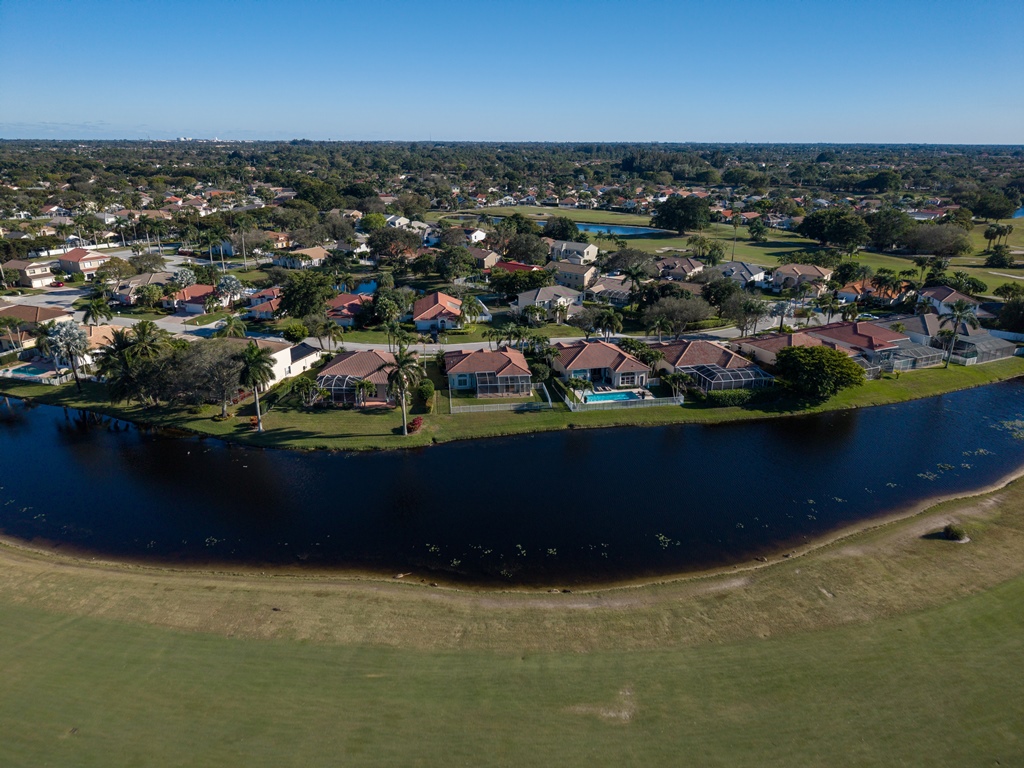
How Heat and Humidity Accelerate Underlayment Deterioration in Wellington
September 21, 2026
Wellington homeowners replacing their roofs or evaluating an existing roof’s condition often focus on the visible surface, tile or shingles, when assessing what needs attention. The underlayment beneath that surface, which is the actual waterproofing layer that keeps the structure dry when the outer roofing material is stressed or breached, receives far less attention despite being the component whose deterioration most directly determines when a roof needs replacement. In Wellington’s climate, the combination of heat, UV exposure, and persistent humidity creates conditions that accelerate underlayment deterioration in ways that are not visible until significant damage has already occurred.
Roof deck temperatures in Wellington during summer afternoons regularly exceed 150 degrees Fahrenheit under direct sun exposure. At these temperatures, the asphalt-based felt underlayment used in older installations and in many current applications undergoes a thermal aging process that progressively reduces its flexibility and waterproofing properties. The oils and plasticizers in the asphalt that keep the material pliable and waterproof are driven off by sustained high temperatures over many seasons, leaving the material brittle and prone to cracking.
This thermal aging is cumulative. A felt underlayment that has experienced 15 summer seasons in Wellington has been subjected to thousands of high-temperature cycles. The material that was installed as a flexible, waterproof sheet has, in many cases, become a brittle layer prone to cracking under foot traffic, under thermal expansion and contraction, and under the physical stress of wind events. The process happens entirely out of view, beneath the tile or shingles above it, with no visible exterior indication until water actually penetrates it.
Wellington’s humidity adds a second deterioration mechanism that works alongside the thermal aging process. The repeated wet-dry cycling that the underlayment experiences, absorbing moisture during the summer rainy season and drying during the winter dry season, causes physical stress in the material that accelerates cracking and delamination. In areas where small amounts of moisture are already working past the outer roofing layer, this cycling effect is particularly pronounced, since the underlayment in those areas is repeatedly saturated and dried rather than remaining at a consistent moisture level.
Humidity also promotes biological growth. Algae, mold, and mildew can establish in the underlayment layer in areas where moisture has found consistent access, accelerating the breakdown of felt materials and reducing the effectiveness of synthetic underlayment adhesion over time. In Wellington’s high-humidity environment, this biological component is more significant than it would be in a drier climate, and it contributes to underlayment deterioration that would not appear in the same product’s performance data from a lower-humidity test environment.
Synthetic underlayment products, made from polypropylene or polyester materials rather than asphalt-saturated felt, resist the thermal aging process better than felt. They do not contain the oil and plasticizer components that felt loses under sustained heat, and their base materials are inherently more resistant to UV degradation in the areas where underlayment is exposed at eave edges and other locations. Current Florida Building Code and HVHZ requirements specify minimum performance standards that effectively favor synthetic products over traditional felt for most residential applications in Palm Beach County.
That said, synthetic underlayment is not immune to the effects of Wellington’s climate. Prolonged UV exposure at exposed edges, sustained high temperatures at the deck surface, and the wet-dry cycling effect of storm season moisture all affect synthetic products as well, just more slowly than they affect traditional felt. The practical implication is that synthetic underlayment installations from the late 2000s and early 2010s, which are now 15 or more years old, deserve professional evaluation rather than the assumption that because the product was rated for a longer service life it is still performing reliably.
The defining characteristic of underlayment deterioration that makes it particularly challenging for Wellington homeowners is that it is invisible from the exterior until it has already allowed water to enter the structure. A tile roof with intact, properly aligned tile surfaces can have broadly deteriorated underlayment beneath it. The tile sheds most of the water under normal conditions, but it is not a fully waterproof system. Wind-driven rain, water at flashing transitions, and moisture that enters at tile edges during intense rainfall events all rely on functional underlayment to be intercepted before reaching the deck. When the underlayment has failed, that interception does not happen.
This is why age and the results of a professional assessment, including attic inspection for moisture staining on the deck underside, are more reliable indicators of underlayment condition than the exterior appearance of the roof. A Wellington tile roof at 20 years warrants underlayment evaluation regardless of how the tile looks from the ground.
How can I tell if my underlayment has deteriorated without tearing off the roof?
Inspecting the underside of the roof deck from the attic is the most accessible approach without removing roofing material. Look for moisture staining, dark, irregular marks indicating past water intrusion, soft or discolored areas on the deck underside, and any signs of biological growth near penetrations. A professional roofing contractor can also assess underlayment condition through careful examination at accessible edge locations and through attic inspection, combined with an evaluation of the roof’s age and leak history.
Can underlayment be replaced without replacing the tile?
Yes, in most cases. On tile roofs, the tile can be carefully removed, stored, and reinstalled after new underlayment is installed on the deck. This is appropriate when the tile is in good condition but the underlayment has reached the end of its service life. The work requires skilled installation to avoid tile breakage during removal and to ensure the reinstalled tile meets HVHZ installation standards. Your contractor should evaluate whether the tile condition justifies this approach versus a full replacement, including new tile.
Does installing better underlayment during replacement improve wind mitigation?
The underlayment system contributes to the overall performance of the roof assembly, which is assessed during the wind mitigation inspection. The specific wind mitigation credits are tied to features like deck attachment pattern and roof-to-wall connection type, but underlayment products that meet or exceed HVHZ requirements contribute to the overall system integrity that supports those features performing as designed during a wind event.
How long does synthetic underlayment last in Wellington’s climate?
Synthetic underlayment products are rated for longer service lives than traditional felt, but their actual performance in Wellington’s specific climate conditions still falls short of those ratings compared to temperate climate benchmarks. A high-quality synthetic underlayment installed in Wellington might reasonably be expected to perform effectively for 20 to 25 years, compared to 15 to 20 years for felt, depending on the product and conditions. These are estimates, not guarantees, and professional evaluation at the 20-year mark is appropriate regardless of underlayment type.
What Florida Building Code requirements apply to underlayment in Wellington?
Wellington falls within Palm Beach County, which is within Florida’s HVHZ. Underlayment products used in permitted roofing work must carry Florida Product Approvals meeting HVHZ performance standards. The installation must follow the manufacturer’s approved installation instructions, which specify overlap dimensions, fastener patterns, and penetration treatment requirements. The in-progress inspection during the permit process verifies that these requirements are met before the roofing surface is installed.
SK Quality Roofing has been serving South Florida homeowners since 1982, with more than 14,000 residential projects completed across Broward and Palm Beach County. For roof assessment and underlayment evaluation in Wellington, contact SK Quality Roofing at 954-633-8154 or reach out through our contact page to schedule a free evaluation.
Owner at SK Quality Roofing, Dante Weston brings experience and expertise in residential and commercial roofing. He is passionate about helping homeowners and businesses protect their properties with quality roofing solutions and practical maintenance advice. Dante provides useful tips, guidance, and insights to help readers make informed decisions about roofing projects and upkeep.

How Heat and Humidity Accelerate Underlayment Deterioration in Wellington
September 21, 2026

Shingle Roofing in Older Neighborhoods: What Homeowners Face in Greenacres
September 16, 2026