Shingle Roof Installation Florida
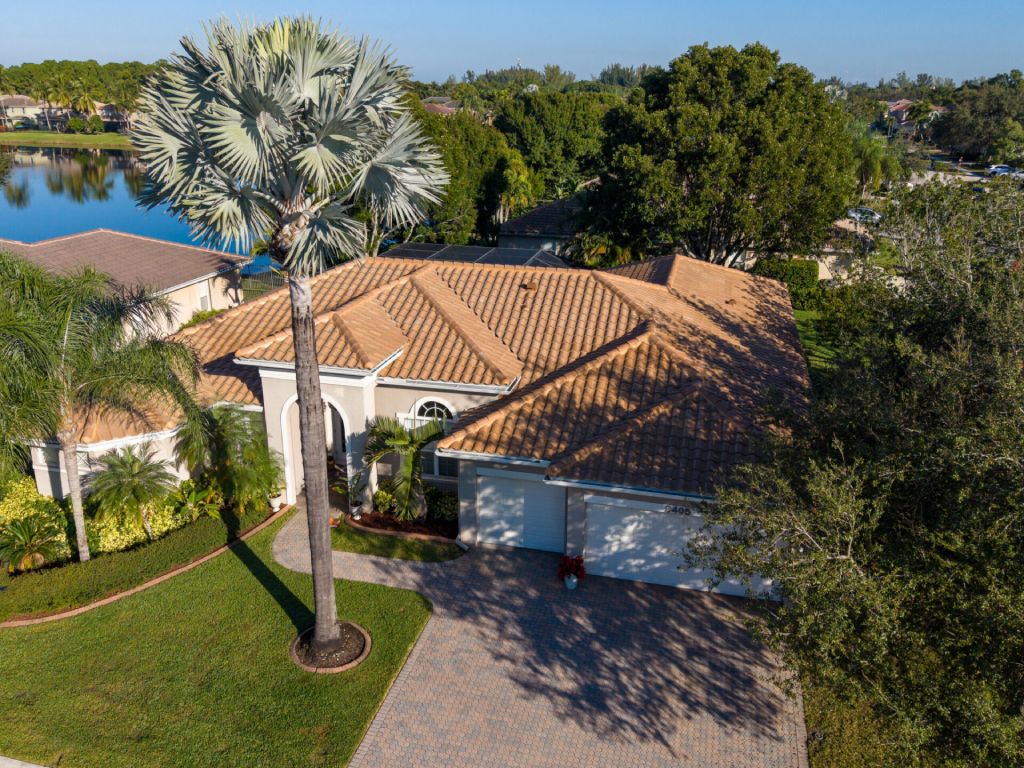
A properly installed shingle roof needs to perform under constant exposure to sun, rain, and wind. That starts with planning. Dante Weston, Owner of SK Quality Roofing, emphasizes making sure each layer contributes to long-term protection, drawing from experience where system performance depends on preparation. During installation, General Manager Robert Brady remains closely involved, ensuring every step is handled with accuracy on-site. As a professional shingle roof installation company, SK Quality Roofing delivers dependable protection. Call (561) 276-8040 today to schedule a free estimate.
How Underlayment Protects New Shingle Roofs
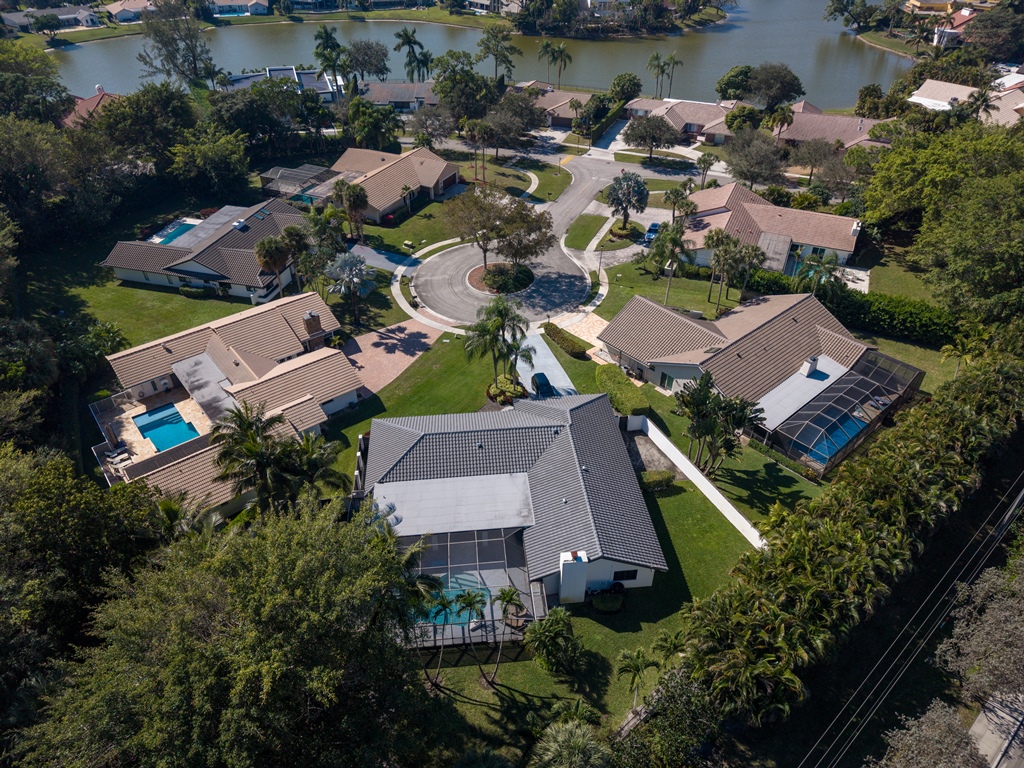
When homeowners think about a new shingle roof, they usually focus on what is visible. The color, the style, and how it looks from the street tend to take priority. What sits underneath those shingles is often overlooked, even though it plays a critical role in how the roof performs. Underlayment acts as a secondary barrier against water intrusion, and in Florida’s climate, that added protection is not optional. It is essential.
Understanding how underlayment works helps explain why a roof can either hold up during heavy rain or develop problems sooner than expected.
What Underlayment Actually Does
Underlayment is installed directly over the roof deck and beneath the shingles. Its main job is to provide a protective layer that prevents water from reaching the wood structure below. If shingles are lifted by wind or damaged during a storm, underlayment becomes the line of defense that helps keep moisture out.
It also plays a role during installation. Roofing projects are not always completed in a single day, and sudden weather changes can expose the roof before shingles are fully installed. Underlayment helps protect the structure during that process.
Dante tends to look at this layer as part of a larger system rather than an isolated component. His background in managing systems where every layer has a purpose reinforces the idea that protection should not rely on a single surface. A well-designed roofing system includes redundancy, and underlayment provides that backup.
Robert sees the importance of this layer in the field. Having worked through every stage of roofing projects, he understands how underlayment behaves during installation and how it holds up under real conditions. That perspective helps ensure it is installed correctly and not treated as an afterthought.
Why Florida Conditions Make Underlayment Critical
Florida weather presents a unique set of challenges. High humidity, heavy rainfall, and strong winds all affect how a roof performs. Water does not always stay on the surface. It can be pushed beneath shingles by wind, especially during storms.
Underlayment helps prevent that water from reaching the roof deck. Without it, even minor damage to shingles can lead to leaks that affect insulation, ceilings, and interior spaces.
Dante approaches these risks by focusing on how water moves across and through a roofing system. That way of thinking helps identify where additional protection is needed, especially in areas prone to heavy exposure.
Robert reinforces that approach during installation. He pays close attention to how underlayment is applied, making sure seams are properly overlapped and secured. These details matter when the roof is tested by severe weather.
Types of Underlayment and Their Performance
There are several types of underlayment used in residential roofing. Each offers different levels of protection depending on the material and installation method.
Felt underlayment has been used for decades and provides basic moisture resistance. Synthetic underlayment is more durable and resistant to tearing, which can be important in high-wind areas. There are also specialized options designed for areas that experience heavy water flow, such as valleys and edges.
Choosing the right type depends on the structure of the roof and the conditions it will face. It is not just about selecting a material. It is about understanding how that material will perform over time.
Dante often evaluates these decisions by looking at long-term reliability. Materials that perform consistently under stress tend to provide better outcomes, especially in environments where conditions can change quickly.
Robert focuses on how those materials are handled during installation. Even the best underlayment will not perform as intended if it is not installed correctly. Proper placement, fastening, and sealing all contribute to how well it functions.
Installation Details That Make a Difference
Underlayment is not a single sheet placed across the roof. It is installed in sections, with overlaps designed to guide water away from the structure. The direction of those overlaps matters, as does how they are secured.
Edges and transitions are especially important. These are the areas where water is most likely to enter if something is not done correctly. Valleys, eaves, and roof penetrations all require additional attention.
Robert’s experience overseeing installations helps ensure that these details are handled properly. He understands how small adjustments in placement or fastening can affect the overall performance of the system.
Dante’s influence can be seen in how these details are planned ahead of time. By approaching the roof as a complete system, he helps ensure that each layer supports the others rather than working independently.
What Happens When Underlayment Is Overlooked
When underlayment is not installed properly or is treated as a minor component, problems can develop quickly. Water intrusion is one of the most common issues. Once moisture reaches the roof deck, it can lead to rot, mold, and structural damage.
In some cases, the damage may not be visible right away. It can develop slowly, affecting the interior of the home over time. By the time it is noticed, repairs can be more extensive and costly.
Dante tends to focus on preventing these types of issues before they occur. By identifying potential risks early, homeowners can avoid larger problems later.
Robert ensures that the work being done aligns with that goal. His involvement in the installation process helps confirm that underlayment is treated as a critical part of the system, not just a step in the process.
Long-Term Protection Starts Below the Surface
A new shingle roof is only as strong as the system beneath it. While shingles provide the visible layer of protection, underlayment supports that protection in ways that are not immediately obvious.
In Florida, where weather conditions can change quickly, having that secondary barrier can make a significant difference. It helps reduce the risk of leaks, supports the durability of the roof, and contributes to the overall performance of the system.
Start With a Roof Designed for Long-Term Protection
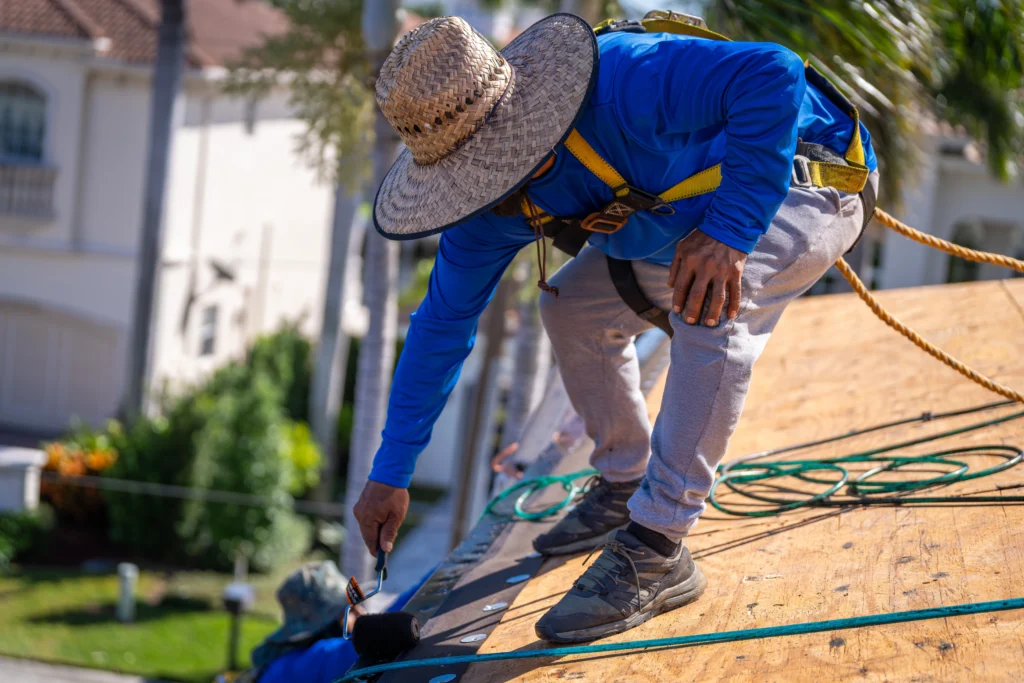
A new installation should deliver more than immediate results—it should provide reliable protection moving forward. At SK Quality Roofing, Dante Weston continues to prioritize durability in how each system is designed, while Robert Brady ensures that work on-site reflects that same standard. That consistency helps homeowners avoid preventable issues later. As a reliable shingle roof installation company in Florida, SK Quality Roofing delivers dependable results. Call (561) 276-8040 today to schedule your free estimate.
Owner at SK Quality Roofing, Dante Weston brings experience and expertise in residential and commercial roofing. He is passionate about helping homeowners and businesses protect their properties with quality roofing solutions and practical maintenance advice. Dante provides useful tips, guidance, and insights to help readers make informed decisions about roofing projects and upkeep.