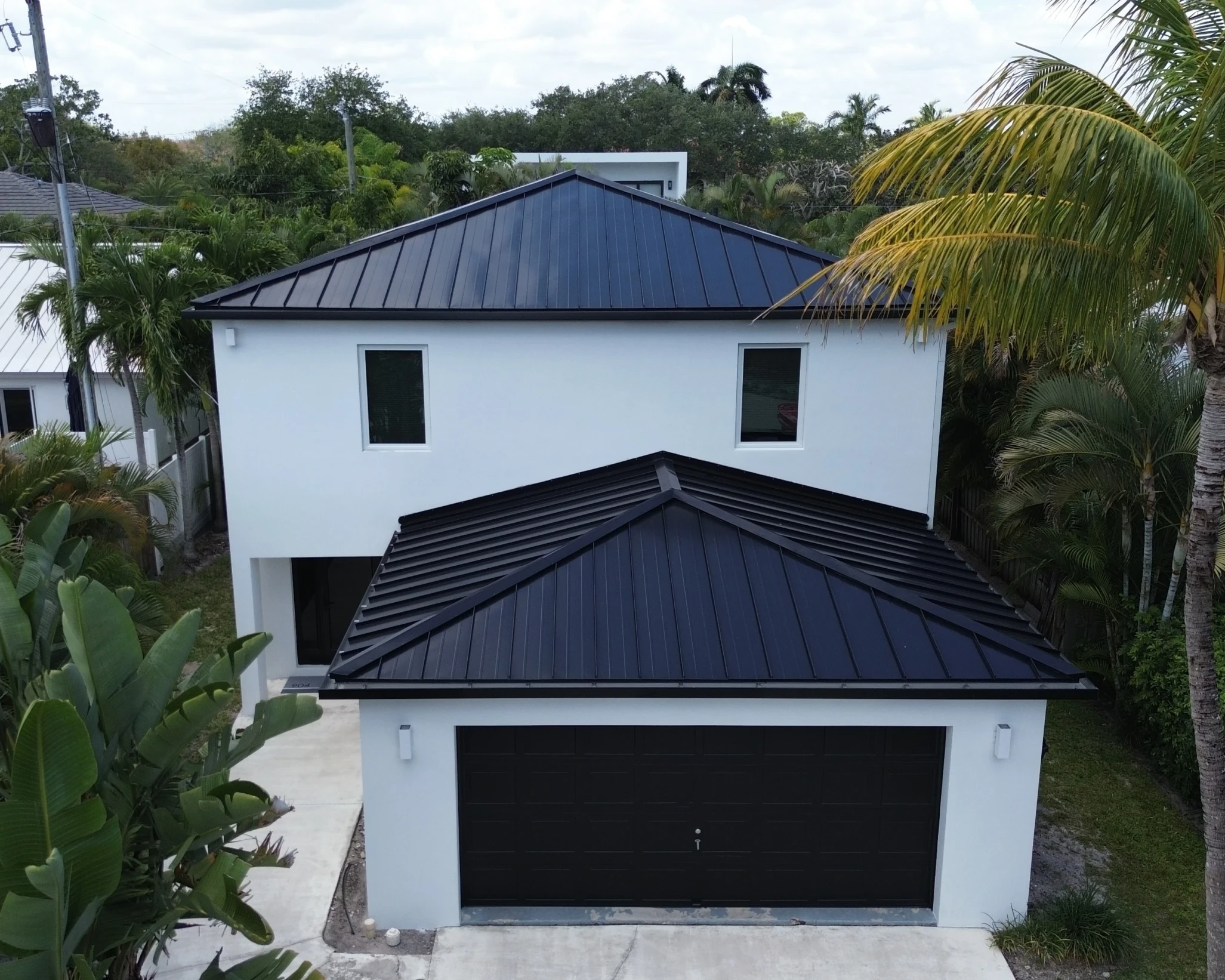
Metal Roof Repair: Common Issues and Solutions
February 25, 2026
Replacing or installing a new roof is a major investment for any homeowner. In South Florida, where heavy rain, intense sun, and hurricane risks are common, a properly installed roof is critical for protecting your home. Understanding the roof installation process helps homeowners know what to expect, plan accordingly, and ensure the project goes smoothly. From the initial inspection to the final cleanup, each step plays a key role in the durability and performance of your roof.
The roof installation process begins with a thorough inspection of your existing roof and home structure. A professional contractor examines the roof’s current condition, identifies areas of damage, and assesses whether repairs are needed before installation. This step includes checking the decking, flashing, ventilation, and overall structural integrity. The contractor also discusses roofing materials, styles, and your goals for the project. This assessment ensures that any underlying issues are addressed before the new roof is installed.
Selecting the appropriate roofing materials is a critical step. Options like asphalt shingles, metal roofing, clay or concrete tiles, and synthetic materials each have benefits and considerations. Factors such as durability, aesthetics, energy efficiency, and cost must be evaluated. In South Florida, materials must withstand sun exposure, heavy rainfall, and strong winds. Your contractor can provide recommendations based on your home’s structure, climate conditions, and budget.
Before work can begin, proper permits must be obtained from local authorities. Roof installations in South Florida are subject to strict building codes designed to withstand hurricanes and other severe weather. A licensed roofing contractor handles the permitting process to ensure the project is legal and compliant with regulations. Permits protect both the homeowner and the contractor and are required for insurance and warranty purposes.
Once the inspection and permits are complete, the worksite is prepared. This includes protecting landscaping, walkways, and exterior areas from debris. Contractors may set up tarps or barriers to prevent damage to your property. Preparation also involves ensuring safe access for workers, equipment, and materials. This step minimizes risk and keeps the installation organized.
If your project involves a full replacement, the old roofing material must be removed. This step is sometimes called a tear-off. Workers carefully strip shingles or tiles, remove underlayment, and dispose of debris according to local regulations. Removing the old roof allows the contractor to inspect the decking for rot, mold, or structural damage. Any damaged areas are repaired or replaced before the new roofing material is installed.
The roof deck is the base that supports your new roof. After the old materials are removed, the contractor inspects the decking for cracks, warping, or water damage. Repairs or replacements are made as needed to ensure a solid foundation. Proper decking is essential for the longevity of the roof, as it supports weight, prevents leaks, and ensures even installation of shingles, tiles, or panels.
Once the decking is prepared, underlayment is installed. This protective layer serves as a barrier against moisture and improves the roof’s overall durability. Flashing is then added around chimneys, vents, skylights, and roof edges to prevent water infiltration. Proper installation of underlayment and flashing is critical for preventing leaks and protecting your home from water damage, especially during heavy rain or tropical storms common in South Florida.
With the foundation prepared, the new roofing material is installed. The method varies depending on the material chosen. Shingles are layered and nailed in place, tiles are secured with mortar or clips, and metal panels are fastened according to manufacturer guidelines. Proper alignment, spacing, and sealing are critical to ensure the roof performs as intended. Experienced contractors follow best practices to maintain consistency, protect against wind uplift, and optimize energy efficiency.
Adequate ventilation and insulation are integral to a roof’s performance. Contractors ensure vents are correctly positioned and functioning, allowing heat and moisture to escape from the attic. Proper ventilation reduces energy costs, prevents mold growth, and extends the lifespan of the roof. Insulation may also be inspected or upgraded to complement the new roof and improve energy efficiency.
After installation is complete, the contractor conducts a thorough inspection. This includes checking for loose shingles or tiles, properly sealed flashing, and correct installation of vents and ridge caps. Any debris remaining on the roof or around the property is removed. A final quality check ensures the roof meets manufacturer specifications and building codes. Homeowners can review the work and address any questions or concerns before the project is considered complete.
Roof installations generate a significant amount of debris. Professional contractors handle the removal and disposal of old materials, nails, and other waste. The worksite is cleaned, and landscaping or outdoor areas are restored. Proper cleanup ensures safety, prevents damage to your property, and leaves your home looking neat.
Most licensed roofing contractors provide warranties covering materials and workmanship. They also offer guidance on routine maintenance to extend the life of your roof. Regular inspections, cleaning gutters, and addressing minor issues promptly can prevent major problems in the future. Understanding warranty coverage and maintenance requirements is an important part of protecting your investment.
A roof installation is a complex process that involves multiple steps, from inspection and material selection to final quality checks and cleanup. Each stage is critical to ensure durability, safety, and long-term performance. Working with a licensed roofing contractor in South Florida ensures that every step is performed correctly and in compliance with local building codes.
If you are considering a new roof for your home, contact a trusted South Florida roofing company today. Professional guidance, proper installation, and quality materials will protect your home, enhance curb appeal, and provide peace of mind for years to come.
Owner at SK Quality Roofing, Dante Weston brings experience and expertise in residential and commercial roofing. He is passionate about helping homeowners and businesses protect their properties with quality roofing solutions and practical maintenance advice. Dante provides useful tips, guidance, and insights to help readers make informed decisions about roofing projects and upkeep.

Metal Roof Repair: Common Issues and Solutions
February 25, 2026
How to Spot a Roof Leak Early
February 18, 2026

How Roof Inspections Can Prevent Costly Repairs
February 11, 2026