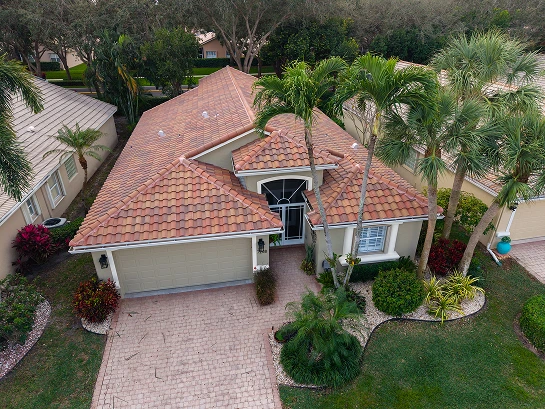
How Weather Conditions Affect Roof Damage and Repairs
Florida homeowners live with weather that is both familiar and unpredictable. Sunshine dominates much of the year, but intense storms, high humidity, salt air, and seasonal temperature swings all leave their mark on residential roofing systems. Over time, these conditions influence how roofs age, how damage appears, and how repairs should be handled. Understanding the connection between local weather patterns and roof performance helps property owners make better decisions about maintenance and timing.
Heat and Sun Exposure Take a Daily Toll
Florida roofs spend most days under direct sun. Prolonged exposure to ultraviolet rays slowly breaks down roofing materials, even when there are no obvious signs of damage. Asphalt shingles are especially vulnerable. Heat causes them to dry out, making them brittle and more likely to crack or lose granules.
Tile roofs also absorb heat, which can lead to expansion during the day and contraction at night. Over time, this movement stresses fasteners and underlayment. Metal roofs, while durable, still experience thermal expansion that can loosen screws or seams if not installed correctly.
Sun-related wear often goes unnoticed until leaks develop. That is why regular inspections matter. Small surface issues caused by heat can turn into costly repairs if left alone for too long.
Heavy Rain Tests Drainage Systems
Rain is a constant factor in Florida, especially during summer months. While roofs are designed to shed water, problems arise when drainage systems are compromised. Clogged gutters, poor slope, or damaged flashing can allow water to pool or seep into vulnerable areas.
Repeated exposure to moisture weakens roof decking and underlayment. Over time, wood rot may develop beneath shingles or tiles. This type of damage is not always visible from the exterior. Homeowners often discover it only after stains appear on ceilings or walls.
Repairs related to rain damage frequently involve more than replacing surface materials. Contractors may need to address underlying moisture issues to prevent future leaks.
Wind Causes Uplift and Hidden Weak Points
Strong winds are a regular part of Florida weather, even outside hurricane season. Gusts can lift shingles, loosen tiles, or damage flashing around chimneys and vents. Once materials are displaced, even slightly, water intrusion becomes more likely during the next storm.
Wind damage is not always dramatic. In many cases, it involves subtle lifting or shifting that weakens the roof’s protective barrier. Over time, these small issues worsen as wind continues to exploit existing gaps.
After periods of high wind, it is wise to have a roof inspected. Catching early signs of uplift can reduce the need for larger repairs later.
Tropical Storms and Hurricanes Create Immediate Risks
Severe weather events place extreme stress on roofing systems. Hurricanes bring a combination of high winds, heavy rain, and flying debris. Even well-maintained roofs can sustain damage under these conditions.
Common hurricane-related issues include missing shingles, cracked tiles, punctures from debris, and compromised underlayment. In some cases, structural components may be affected, especially on older homes.
Post-storm repairs should never be delayed. Temporary fixes like tarping can help prevent further damage, but permanent repairs are essential to restore the roof’s integrity. Working with a contractor experienced in storm-related repairs ensures that all affected areas are properly addressed.
Humidity Encourages Mold and Material Breakdown
Florida’s high humidity levels contribute to problems that are less visible but equally damaging. Moist air can become trapped in attic spaces, especially when ventilation is inadequate. Over time, this environment promotes mold growth and accelerates the deterioration of roofing materials.
Shingles may curl or blister as moisture interacts with heat. Wooden components can warp or rot. Insulation may lose effectiveness, increasing energy costs and placing additional stress on the roof.
Repairs related to humidity often involve improving ventilation or replacing materials that have been compromised by long-term moisture exposure. Addressing these issues helps extend the life of the roof and improves indoor comfort.
Salt Air Affects Coastal Properties
Homes near the coast face unique challenges. Salt carried by ocean air accelerates corrosion, particularly on metal components like fasteners, flashing, and roof panels. Even stainless steel can degrade faster in these conditions.
Tile and shingle roofs are not immune. Salt residue can break down protective coatings and increase wear over time. Regular cleaning and inspections are especially important for coastal properties.
Repairs in these areas may require specialized materials designed to resist corrosion. Choosing the right products and installation methods helps prevent recurring issues.
Temperature Changes Stress Roofing Materials
Although Florida does not experience extreme cold, temperature fluctuations still impact roofs. Daytime heat followed by cooler nights causes materials to expand and contract. Over years, this movement weakens seals, fasteners, and joints.
Flat and low-slope roofs are particularly affected. Membranes may develop cracks or seam separation if not properly maintained. These issues often lead to leaks during heavy rain.
Routine maintenance allows contractors to identify stress-related damage early. Addressing minor issues reduces the risk of widespread failure later.
Seasonal Patterns Influence Repair Timing
Florida weather follows predictable seasonal patterns that affect when repairs are most needed. Summer brings frequent storms and high humidity, increasing the risk of leaks. Fall is often a busy period for repairs after storm season ends. Winter, while milder, still presents opportunities for maintenance and inspections.
Planning repairs during calmer weather can reduce delays and allow for more thorough work. However, emergency repairs are sometimes unavoidable. Working with a responsive roofing company ensures that urgent issues are handled quickly, regardless of the season.
Why Local Experience Matters in Roof Repairs
Roofing systems in Florida require a different approach than those in other regions. Materials, installation methods, and repair techniques must account for heat, moisture, wind, and storm activity. Contractors familiar with local conditions understand how weather patterns affect long-term performance.
A repair that works well in a dry climate may fail quickly in Florida. That is why choosing a roofing company with regional expertise is critical. Proper repairs not only fix current issues but also strengthen the roof against future weather-related stress.
Proactive Maintenance Reduces Weather-Related Damage
While weather cannot be controlled, its impact on roofs can be managed. Regular inspections, timely repairs, and proper ventilation all play a role in extending roof life. Homeowners who address small problems early often avoid larger, more expensive repairs later.
Maintenance plans tailored to Florida conditions provide added protection. These plans typically include checking for sun damage, inspecting drainage systems, and ensuring that materials remain securely fastened.
Conclusion
Florida weather is demanding, and roofs bear the brunt of that pressure year after year. Heat, rain, wind, humidity, and salt air all contribute to wear and damage in different ways. Understanding how these elements affect roofing systems helps homeowners recognize when repairs are needed and why professional expertise matters.
By staying proactive and working with roofing professionals, property owners can protect their investment and ensure that their roofs remain reliable through every season.

Written by
Dante Weston
Owner at SK Quality Roofing, Dante Weston brings experience and expertise in residential and commercial roofing. He is passionate about helping homeowners and businesses protect their properties with quality roofing solutions and practical maintenance advice. Dante provides useful tips, guidance, and insights to help readers make informed decisions about roofing projects and upkeep.

Recent Posts
Emergency Roof Repair Tips for Homeowners
January 28, 2026
What to Expect During a Professional Roof Inspection
January 22, 2026