How to Spot a Roof Leak Early
6 hours ago
Roof leaks rarely announce themselves in obvious ways. In many cases, water is already causing damage long before a homeowner notices a stain on the ceiling or a drip during a storm. In Florida’s climate, where heavy rain, high humidity, and seasonal storms are part of everyday life, catching a roof leak early can save thousands of dollars in repairs.
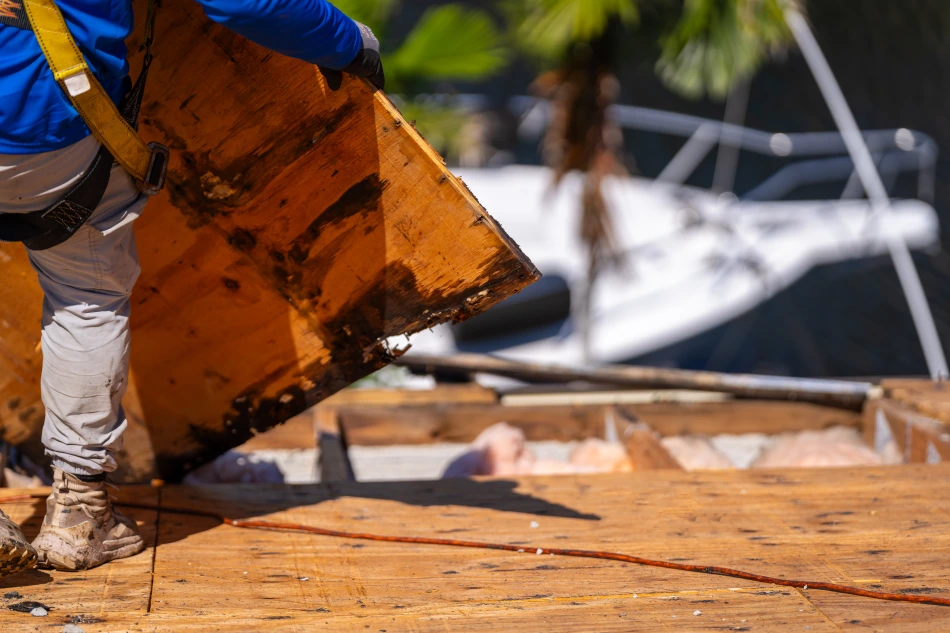
Roof leaks do not always appear directly below the source of the problem. Water can travel along roof decking, rafters, insulation, and even wiring before it shows up inside your home. By the time it becomes visible, moisture may have already affected framing, drywall, or insulation.
Florida homes face additional challenges. Afternoon downpours can overwhelm aging roofing systems. Prolonged humidity slows evaporation, allowing moisture to linger. Salt air near the coast can accelerate corrosion on flashing and fasteners. These factors make early detection especially important.
Understanding where leaks begin and how they behave helps homeowners know where to look first.
Many early indicators of a roof leak appear inside the home, but they are easy to dismiss at first.
Pay attention to changes. A ceiling that looks slightly different than it did a few months ago may be telling you something important.
The attic is often the first place where roof leaks reveal themselves. Checking this area periodically, especially after heavy rain, can help catch issues early.
Use caution when entering the attic. If you are unsure or uncomfortable, a professional inspection is always the safer option.
Not all leak indicators are hidden. A walk around the outside of your home can reveal problems that deserve attention.
Florida weather puts roofing systems to the test. Sudden storms with intense rainfall can exploit even small weaknesses. Tropical systems and hurricanes increase the risk of wind-driven rain, which can enter areas that remain dry under normal conditions.
After major weather events, homeowners often focus on visible damage like missing shingles. However, leaks frequently begin in less obvious ways. A small breach that allows water in during a storm may not show interior damage for weeks or months.
Scheduling a roof inspection after severe weather is one of the best ways to catch hidden issues early. Many leaks start small and grow worse with each rain cycle.
Certain roof features are more prone to leaks in Florida due to design trends and climate factors.
Understanding the type of roof you have helps determine where problems are most likely to develop.
Some warning signs do not immediately suggest a roof problem, but they are worth noting.
Trust your instincts. If something feels off, it usually is.
Routine inspections are one of the most effective ways to spot leaks early. For Florida homeowners, an annual inspection is often recommended, with additional checks after major storms.
Professional roofers know where to look and what subtle signs indicate developing problems. Early repairs are typically less invasive and more affordable than emergency fixes. Addressing a small flashing issue or replacing a few damaged shingles is far easier than repairing water-damaged ceilings or structural components.
If you notice signs of a potential leak, act promptly. Document what you see, including photos of stains or exterior damage. Avoid temporary fixes that could worsen the problem, such as applying sealants without identifying the source.
Contact a licensed Florida roofing professional for an evaluation. A thorough inspection can determine whether the issue is roof-related and what repairs are necessary.
Delaying action often leads to more extensive damage. Water rarely stays where it starts, and small leaks tend to grow.
Spotting a roof leak early is not about constant worry. It is about being informed and observant. Florida’s climate makes roofs work harder than in many other parts of the country, which means homeowners need to be proactive.
By paying attention to subtle changes, checking key areas periodically, and scheduling regular inspections, you can catch problems while they are still manageable. Early detection protects your home, your belongings, and your peace of mind.
A roof does its job quietly when it is working well. Learning to recognize when it is asking for attention can make all the difference.

Owner at SK Quality Roofing, Dante Weston brings experience and expertise in residential and commercial roofing. He is passionate about helping homeowners and businesses protect their properties with quality roofing solutions and practical maintenance advice. Dante provides useful tips, guidance, and insights to help readers make informed decisions about roofing projects and upkeep.

How to Spot a Roof Leak Early
6 hours ago

How Roof Inspections Can Prevent Costly Repairs
February 11, 2026
How Weather Conditions Affect Roof Damage and Repairs
February 04, 2026