Emergency Roof Repair Tips for Homeowners
January 28, 2026
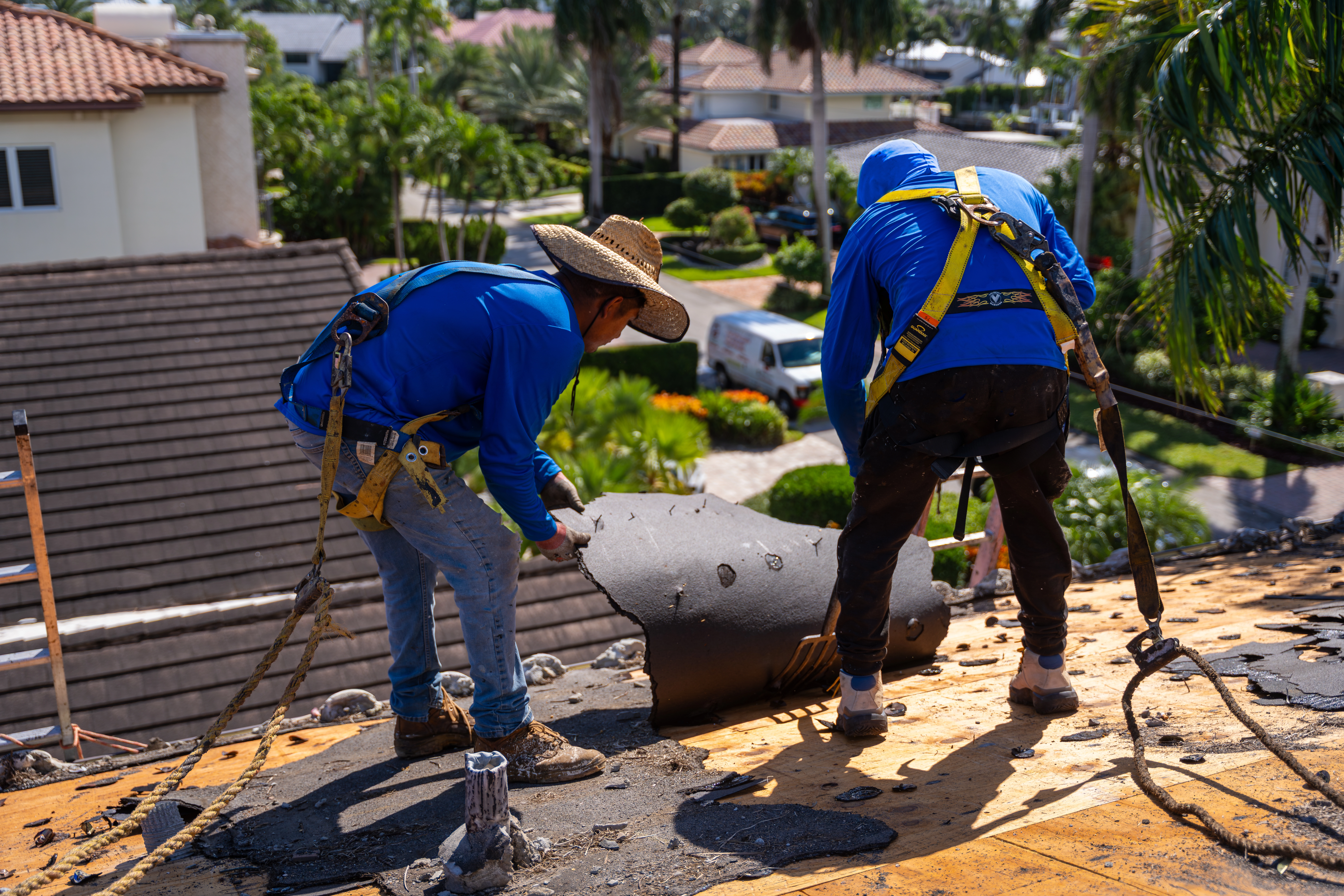
Roof damage rarely happens at a convenient time. In Florida, sudden storms, strong winds, fallen branches, and driving rain can turn a minor weakness into a serious problem in a matter of hours. When water starts coming in or shingles are torn away, homeowners often feel pressured to act quickly, sometimes without knowing what steps are safe or effective. Understanding how to respond during a roofing emergency can limit damage and protect your home until professional repairs are completed.
Not every roofing issue requires immediate action, but some situations cannot wait. In Florida’s climate, even small openings can allow heavy rain to enter the structure. Active leaks, missing shingles after a storm, sagging roof sections, or visible holes are all signs of an urgent problem.
Water intrusion is especially dangerous in humid conditions. Moisture can spread quickly through insulation, drywall, and framing. Mold growth can begin within days. Structural components may weaken if water is allowed to sit. If you notice water dripping inside, staining spreading across ceilings, or daylight visible through the roof deck, the situation should be treated as an emergency.
Before attempting any temporary repair, personal safety should be the priority. Florida storms often leave roofs slick, unstable, or surrounded by debris. Walking on a wet roof increases the risk of falls. Power lines may be down nearby. Sharp materials such as broken shingles or metal flashing can cause injuries.
If conditions are unsafe, it is better to focus on interior protection and contact a roofing professional as soon as possible. Emergency services from licensed roofers are designed for these situations and often include temporary stabilization. No short-term fix is worth risking serious injury.
When water is actively entering the home, interior steps can reduce damage. Placing buckets or containers under leaks helps manage dripping water. Towels can absorb moisture spreading across floors. If ceilings begin to bulge from trapped water, carefully puncturing a small hole in the lowest point of the bulge can allow water to drain in a controlled way. This should be done cautiously to avoid electrical hazards.
Moving furniture, rugs, and personal belongings away from affected areas is also important. In Florida homes, water can spread quickly due to slab foundations and open floor plans. Acting early can prevent costly secondary damage.
If weather conditions allow and the damaged area is accessible, temporary coverings can provide short-term protection. A heavy-duty tarp secured over the damaged section is one of the most common emergency measures. The tarp should extend beyond the damaged area on all sides to direct water away from the opening.
Fastening methods matter. Using wood strips and nails along the edges of the tarp helps keep it in place during wind gusts. Simply weighing it down with loose objects is often ineffective in Florida’s weather. The goal is not a perfect seal, but a temporary barrier that reduces water intrusion until repairs are made.
High winds frequently lift or remove shingles in Florida, especially on older roofs. Exposed underlayment or decking should be covered as soon as possible. If a shingle is loose but still attached, securing it temporarily with roofing cement can reduce immediate exposure. Missing shingles may be replaced temporarily if spare materials are available, but this should be considered a stopgap measure.
Improper installation during an emergency can lead to more damage later. Nails placed incorrectly or sealants applied in the wrong areas may complicate permanent repairs. When in doubt, covering the area and waiting for professional service is often the safer choice.
Many homeowners reach for caulk or sealant during a roofing emergency. While these products can slow leaks in certain situations, they are not a cure-all. Florida’s heat and UV exposure can cause sealants to degrade quickly. Applying them to wet surfaces or damaged flashing often results in failure.
Sealants may be useful for very small cracks around vents or flashing as a temporary measure. However, relying on them instead of proper repairs can allow hidden moisture problems to develop. A professional inspection is still necessary once conditions improve.
After immediate risks are addressed, documenting the damage is an important step. Taking clear photos and videos of affected areas helps support insurance claims. Capture images of missing materials, interior water damage, and any debris that contributed to the issue.
In Florida, storm-related roof claims are common, and insurers often require detailed evidence. Keeping records of when the damage occurred and what temporary steps were taken can help streamline the process. Avoid discarding damaged materials until the claim is reviewed, unless they pose a safety risk.
During stressful situations, homeowners may make decisions that cause additional problems. One common mistake is climbing onto the roof without proper equipment or experience. Another is attempting permanent repairs without addressing underlying issues such as compromised decking or flashing.
Using incompatible materials is also a concern. Florida roofs are designed for specific wind ratings and moisture conditions. Temporary fixes that ignore these factors may fail quickly. It is also important to avoid unlicensed repair services offering quick fixes after storms. These repairs may not meet local building codes.
Certain conditions call for immediate professional involvement. Structural damage, large sections of missing roofing, or ongoing leaks that cannot be controlled from inside require expert attention. Licensed Florida roofers have the tools, training, and insurance to perform emergency stabilization safely.
Professional emergency services often include tarping, temporary sealing, and detailed inspections. These steps not only protect the home but also lay the groundwork for proper permanent repairs. In many cases, acting quickly can reduce overall repair costs.
While emergencies cannot always be avoided, preparation can reduce their impact. Regular roof inspections help identify weak points before storms arrive. Trimming overhanging branches lowers the risk of impact damage. Keeping basic emergency supplies such as tarps and buckets on hand allows faster response.
Florida homeowners benefit from working with a trusted local roofing company before emergencies happen. Knowing who to call can save time and reduce stress when urgent issues arise.
Short-term actions can protect a home temporarily, but they are not substitutes for professional work. Florida’s building codes and weather conditions demand durable, properly installed roofing systems. Emergency repairs are meant to buy time, not solve the underlying problem.
Once the immediate threat has passed, scheduling a full inspection is essential. Hidden damage beneath the surface can lead to leaks, mold, or structural concerns if left unaddressed. Professional repairs ensure compliance with local requirements and long-term performance.
Roof emergencies are stressful, especially when they occur during severe Florida weather. Knowing how to respond calmly and safely can make a significant difference. Prioritizing safety, limiting interior damage, and using temporary measures correctly can protect your home while you wait for professional help.
Emergency roof issues should always be followed by a thorough evaluation from a licensed roofing contractor. Quick action paired with informed decisions helps Florida homeowners protect their investment and restore peace of mind after unexpected damage.
Owner at SK Quality Roofing, Dante Weston brings experience and expertise in residential and commercial roofing. He is passionate about helping homeowners and businesses protect their properties with quality roofing solutions and practical maintenance advice. Dante provides useful tips, guidance, and insights to help readers make informed decisions about roofing projects and upkeep.

Emergency Roof Repair Tips for Homeowners
January 28, 2026
What to Expect During a Professional Roof Inspection
January 22, 2026

Common Roof Repair Issues in South Florida
January 14, 2026