



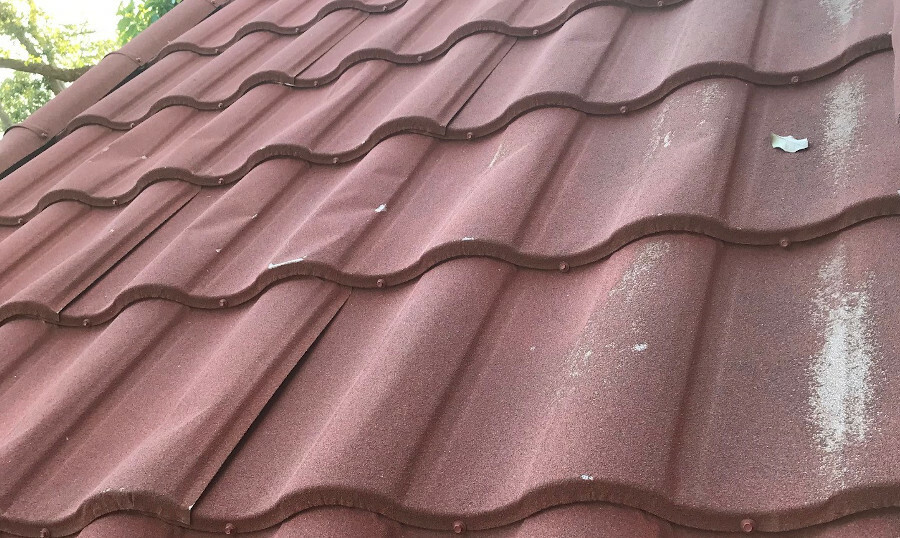
Your roof serves as the first line of defense against rain, wind, and extreme heat. Over time, exposure to the elements can wear down even the most durable roofing systems. Tiles crack, shingles curl, flashing loosens, and seals deteriorate. The materials that form a solid shield today won’t last forever, and once moisture starts to seep in, the damage can quickly spread beyond the roof itself. It’s not uncommon for minor roofing issues to lead to mold growth, insulation problems, and structural decay inside your attic or walls. The cost of a delayed repair often multiplies compared to addressing the issue right away.
When a homeowner calls in a roofing contractor for a repair, the process usually begins with a thorough inspection. Professionals look for visible damage such as missing shingles, water stains on ceilings or walls, mold growth, or areas where the roof is sagging. They may also check for damage around flashing, vents, skylights, or chimneys—places where water is most likely to enter. Sometimes, the problem isn’t obvious from the ground, and a trained eye is required to find the source of a leak or weak spot in the structure. In cases where the damage is extensive, what began as a simple repair might reveal the need for more involved work.
Roof repairs vary greatly depending on the extent and type of damage. Fixing a few missing shingles is usually a quick job, especially if the original materials are still available. A more complex issue, like replacing damaged underlayment or correcting improperly installed flashing, takes more time and expertise. South Florida homeowners often deal with storm-related roof damage, where repairs must be done with urgency to prevent water intrusion from growing worse during hurricane season. In those situations, roofers may install emergency tarps or temporary sealing before carrying out permanent repairs once weather conditions improve.
One of the biggest risks in delaying roof repairs is hidden water damage. A small leak might not seem like much at first, but water can travel far from the original entry point. It can soak into the insulation, pool on wood beams, and eventually weaken the roof deck. The longer water is allowed to sit in these areas, the more it compromises the integrity of the structure. In hot and humid environments, mold and mildew can develop quickly, posing a health risk to residents and reducing indoor air quality.
Another issue that homeowners encounter is failing flashing. Flashing is the thin material—often aluminum or galvanized steel—used around chimneys, vents, or where two roof planes meet. When flashing is damaged or improperly installed, it creates a perfect entry point for water. Over time, even durable flashing materials can corrode or pull away from the surface, especially under the pressure of strong winds or heavy rains. A roofer must carefully remove surrounding materials, repair or replace the flashing, and reinstall everything to ensure a watertight seal.
In some cases, roof damage results from poor ventilation or clogged gutters. If warm air becomes trapped in the attic, it can cause shingles to age prematurely or even create ice dams in colder climates. While not as common in South Florida, these types of issues can still contribute to long-term roofing problems. Gutter systems that don’t properly channel water away from the roof edge can lead to pooling and rot along the fascia and soffits.
When hiring a contractor to handle your roof repair, it’s essential to work with someone experienced and licensed. Not all damage is easy to spot, and a qualified professional will understand how to locate both obvious and subtle problems. They’ll also know how to match new materials with your existing roof, maintaining a consistent appearance and function. Improper repairs can do more harm than good, so it’s important not to cut corners.
Being proactive about roof repair means scheduling periodic inspections and responding to signs of wear as soon as you notice them. If you see curling shingles, granules collecting in your gutters, or stains on your ceiling, don’t ignore them. These early warnings can help you avoid emergency repairs and save money in the long run. Even if everything seems fine from the outside, regular maintenance checks ensure your roof is still performing as it should.
Ultimately, repairing a roof is not just about fixing what’s broken—it’s about preserving your home’s value and safety. A well-maintained roof keeps the elements out, stabilizes indoor temperatures, and prevents small problems from turning into large-scale renovations. Whether your roof is a few years old or approaching the end of its lifespan, staying on top of necessary repairs will give you peace of mind and help extend the life of your entire home.